

-
NEW- 15%


SHEHDS APP Control 19 x Series LED Pixel Zoom Wash Moving ..
Pixel Mapping | Beam+Wash | Silent
SHEHDS APP Control 19 x Series LED Pixel Zoom Wa..Pixel Mapping | Beam+Wash | Silent
Regulärer Preis $245.65 USDRegulärer PreisStückpreis pro$289.00 USDVerkaufspreis$ 245.65Sale -
NEW- 15%
SHEHDS APP Control IP66 19 x Series LED Pixel Zoom Wash Mo..
Pixel Mapping | Beam+Wash | IP66
SHEHDS APP Control IP66 19 x Series LED Pixel Zo..Pixel Mapping | Beam+Wash | IP66
Regulärer Preis $641.75 USDRegulärer PreisStückpreis pro$755.00 USDVerkaufspreis$ 641.75Sale -
BEST SELLER- 15%

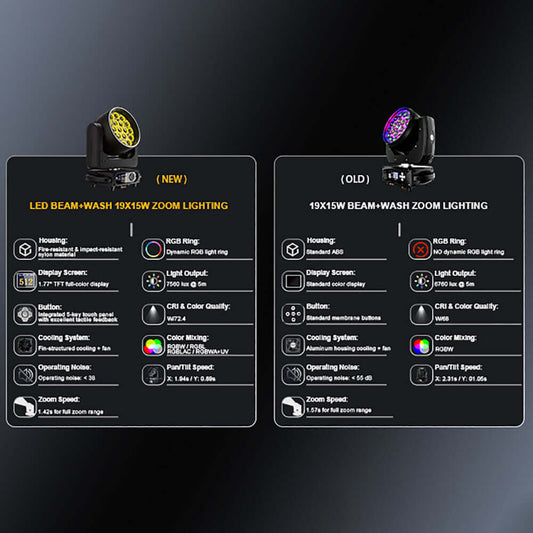
Shehds LED Moving Head Scheinwerfer 19x15W /20W/25W Beam W..
Silent | Faster Moves | High Brightness
Shehds LED Moving Head Scheinwerfer 19x15W /20W/..Silent | Faster Moves | High Brightness
Regulärer Preis $211.65 USDRegulärer PreisStückpreis pro$249.00 USDVerkaufspreis$ 211.65Sale -
HOT- 15%
SHEHDS 7x40W Bee Eye Bewegliche Scheinwerfer mit Zoom und ..
Silent | High Brightness | Pixel Mapping
SHEHDS 7x40W Bee Eye Bewegliche Scheinwerfer mit..Silent | High Brightness | Pixel Mapping
Regulärer Preis $211.65 USDRegulärer PreisStückpreis pro$249.00 USDVerkaufspreis$ 211.65Sale -
HOT- 15%
SHEHDS Zoom & Wash 36x18W Moving Head Scheinwerfer RGB..
Lineares Dimmen | Farbmischung | 15–45° Zoomwinkel
SHEHDS Zoom & Wash 36x18W Moving Head Schein..Lineares Dimmen | Farbmischung | 15–45° Zoomwinkel
Regulärer Preis $246.50 USDRegulärer PreisStückpreis pro$290.00 USDVerkaufspreis$ 246.50Sale -
Trending- 15%
SHEHDS Waterproof LED Moving Head Light 19x15W / 20W / 25W..
Waterproof | High Brightness | Beam & Wash
SHEHDS Waterproof LED Moving Head Light 19x15W /..Waterproof | High Brightness | Beam & Wash
Regulärer Preis $599.25 USDRegulärer PreisStückpreis pro$705.00 USDVerkaufspreis$ 599.25Sale -
Trending- 15%
JMS WEBB Waterproof 7x40W Bee Eye Moving Head Light RGBW/R..
Waterproof | Point Control | Faster Moves
JMS WEBB Waterproof 7x40W Bee Eye Moving Head Li..Waterproof | Point Control | Faster Moves
Regulärer Preis $430.10 USDRegulärer PreisStückpreis pro$506.00 USDVerkaufspreis$ 430.10Sale -
Trending- 15%

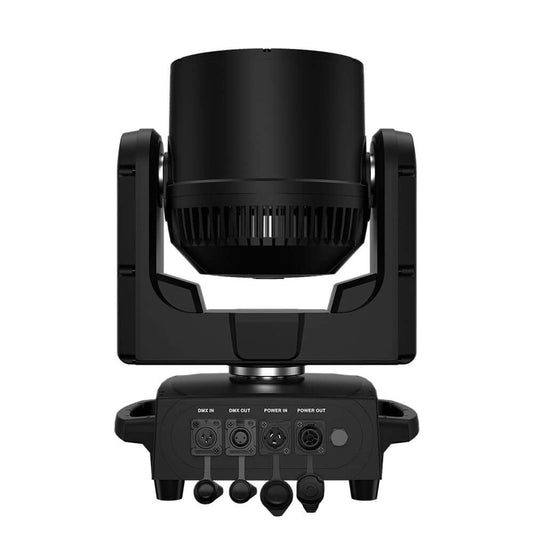
JMS WEBB Waterproof 7x40W LED Moving Head Light Beam Wash ..
Waterproof | Fog-Free | High Brightness
JMS WEBB Waterproof 7x40W LED Moving Head Light ..Waterproof | Fog-Free | High Brightness
Regulärer Preis $542.30 USDRegulärer PreisStückpreis pro$638.00 USDVerkaufspreis$ 542.30Sale -
HOT- 15%
JMS WEBB LED Bienenauge 19x20W & 19x40W RGBW Wash Movi..
4–45° Abstrahlwinkel | Lineares CTO | 0–25 Hz Strobe
JMS WEBB LED Bienenauge 19x20W & 19x40W RGBW..4–45° Abstrahlwinkel | Lineares CTO | 0–25 Hz Strobe
Regulärer Preis $409.18 USDRegulärer PreisStückpreis pro$499.00 USDVerkaufspreis$ 409.18Sale -
- 15%
SHEHDS 120W RGBW LED Wash Bewegliche Scheinwerfer – CTO-Fi..
CTO-Filter | 0–25 Hz Strobe | Überhitzungsschutz
SHEHDS 120W RGBW LED Wash Bewegliche Scheinwerfe..CTO-Filter | 0–25 Hz Strobe | Überhitzungsschutz
Regulärer Preis $127.50 USDRegulärer PreisStückpreis pro$150.00 USDVerkaufspreis$ 127.50Sale -
- 15%
SHEHDS Wasserdichte 19x40W RGBW LED Zoom, Beam und Wash-Be..
IP65 | CTO 2500–7200K | 4°–55°
SHEHDS Wasserdichte 19x40W RGBW LED Zoom, Beam u..IP65 | CTO 2500–7200K | 4°–55°
Regulärer Preis $1,087.15 USDRegulärer PreisStückpreis pro$1,279.00 USDVerkaufspreis$ 1,087.15Sale -
- 15%
JMS WEBB LED RGBW 4-in-1 Bienenauge 19x40W Zoom & Beam..
4°–45° | 2800–8500K | RDM
JMS WEBB LED RGBW 4-in-1 Bienenauge 19x40W Zoom ..4°–45° | 2800–8500K | RDM
Regulärer Preis $815.15 USDRegulärer PreisStückpreis pro$959.00 USDVerkaufspreis$ 815.15Sale -
- 15%
SHEHDS LED 7x12W / 7x18W Wash Bewegliche Scheinwerfer
Tragbar | Farbmischung | DMX512
SHEHDS LED 7x12W / 7x18W Wash Bewegliche Scheinw..Tragbar | Farbmischung | DMX512
Regulärer Preis $72.25 USDRegulärer PreisStückpreis pro$85.00 USDVerkaufspreis$ 72.25Sale -
- 15%

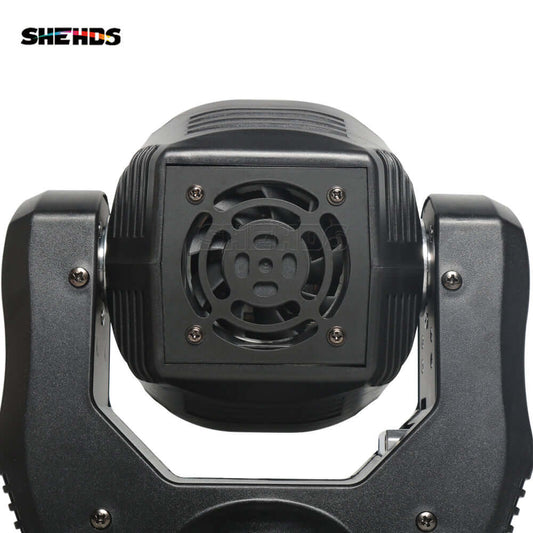
JMS WEBB 6x15W Laser & RGBW Beam Bewegliche Scheinwerfer
Abstrahlwinkel 120° | 6500K | Grüner Laser
JMS WEBB 6x15W Laser & RGBW Beam Bewegliche ..Abstrahlwinkel 120° | 6500K | Grüner Laser
Regulärer Preis $109.65 USDRegulärer PreisStückpreis pro$129.00 USDVerkaufspreis$ 109.65Sale -
- 15%
JMS WEBB LED Bee Eye 7x40W RGBW Wash & Zoom Bewegliche..
CTO 2500-8000K | Abstrahlwinkel 8,5°-50° | RGBW LEDs
JMS WEBB LED Bee Eye 7x40W RGBW Wash & Zoom ..CTO 2500-8000K | Abstrahlwinkel 8,5°-50° | RGBW LEDs
Regulärer Preis $284.75 USDRegulärer PreisStückpreis pro$335.00 USDVerkaufspreis$ 284.75Sale -
- 15%
SHEHDS 16x3W LED Football Beam & Laser & Strobe 3i..
RGBW-LEDs | RG-Laser | DMX512
SHEHDS 16x3W LED Football Beam & Laser &..RGBW-LEDs | RG-Laser | DMX512
Regulärer Preis $136.00 USDRegulärer PreisStückpreis pro$160.00 USDVerkaufspreis$ 136.00Sale -
- 15%
SHEHDS LED Bienenauge Beam & Wash 6x15W RGBW 4in1 Bewe..
Tragbar | RGBW-LEDs | DMX512
SHEHDS LED Bienenauge Beam & Wash 6x15W RGBW..Tragbar | RGBW-LEDs | DMX512
Regulärer Preis $118.15 USDRegulärer PreisStückpreis pro$139.00 USDVerkaufspreis$ 118.15Sale -
- 40%

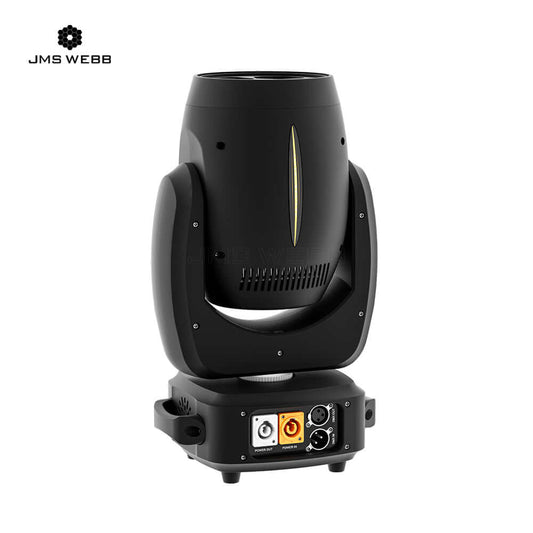
JMS WEBB LED Bee Eye 4x40W RGBW 4-in-1 Zoom & Beam &am..
RGBW-LEDs | Rainbow | Zoomwinkel 2,5°–75°
JMS WEBB LED Bee Eye 4x40W RGBW 4-in-1 Zoom &..RGBW-LEDs | Rainbow | Zoomwinkel 2,5°–75°
Regulärer Preis $162.00 USDRegulärer PreisStückpreis pro$270.00 USDVerkaufspreis$ 162.00Sale -
- 15%
SHEHDS 37x15W RGBW Mini LED Wash Bewegliche Scheinwerfer m..
RDM | 4°–60° | RGBW
SHEHDS 37x15W RGBW Mini LED Wash Bewegliche Sche..RDM | 4°–60° | RGBW
Regulärer Preis $535.50 USDRegulärer PreisStückpreis pro$630.00 USDVerkaufspreis$ 535.50Sale


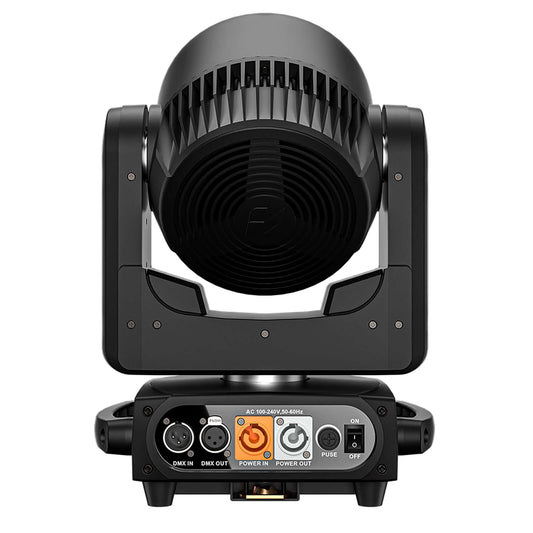

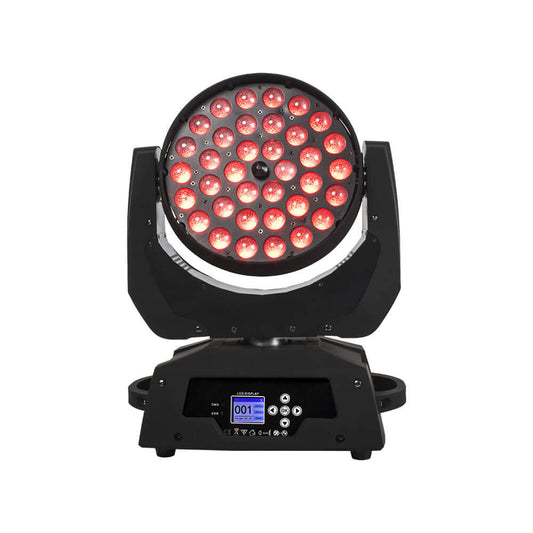

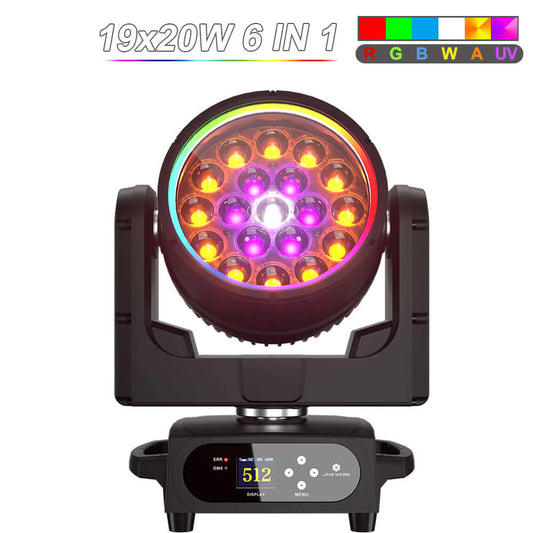

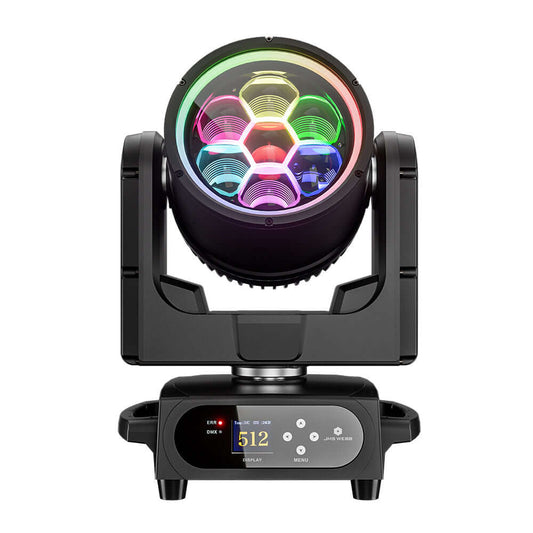


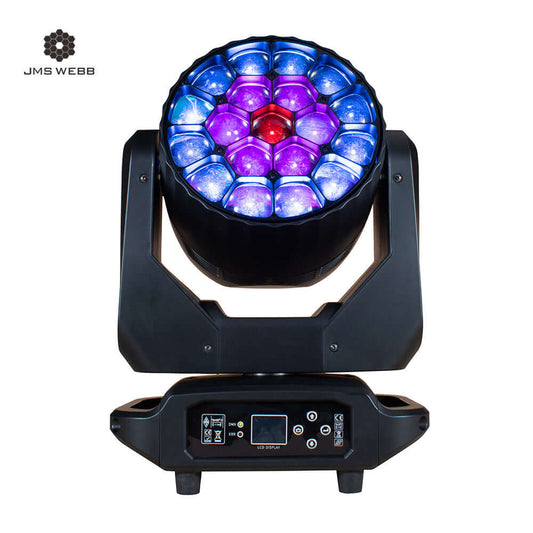

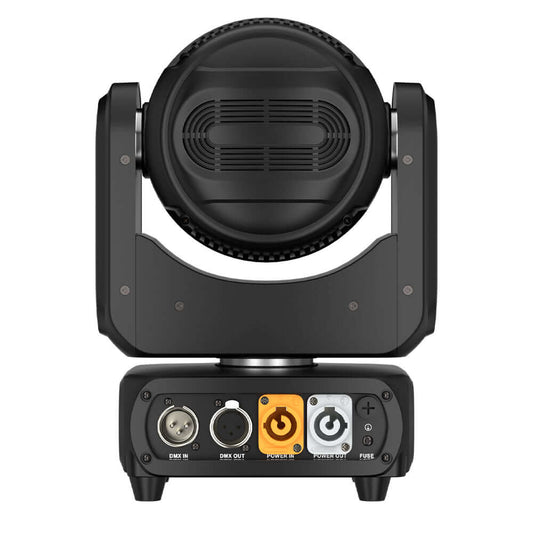

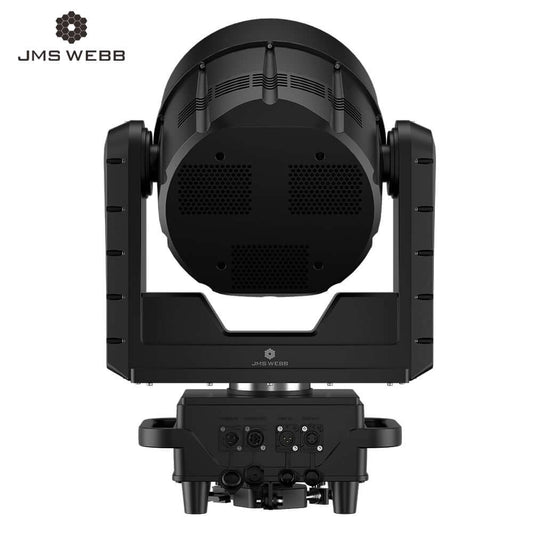

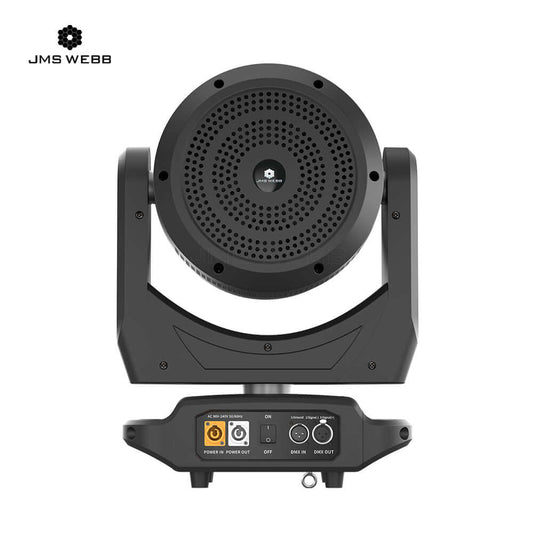

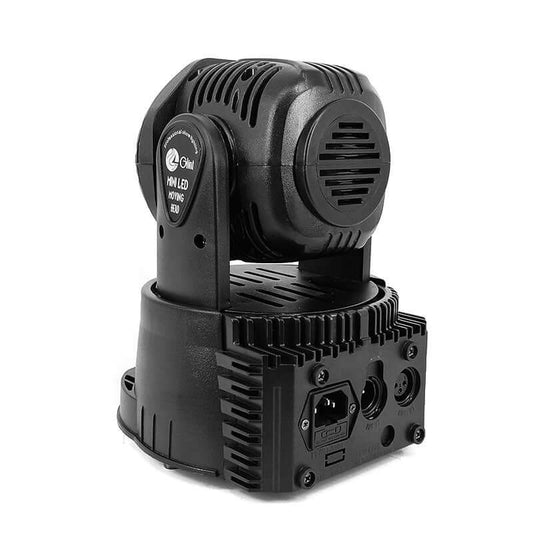


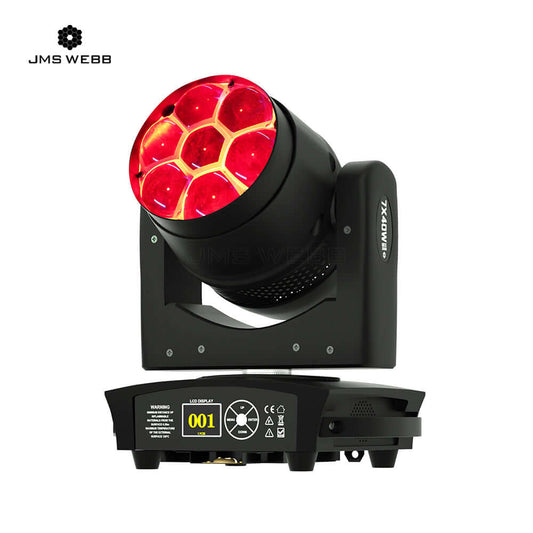

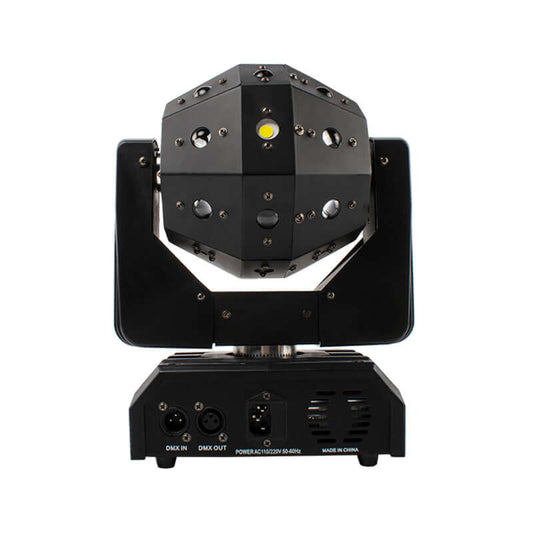

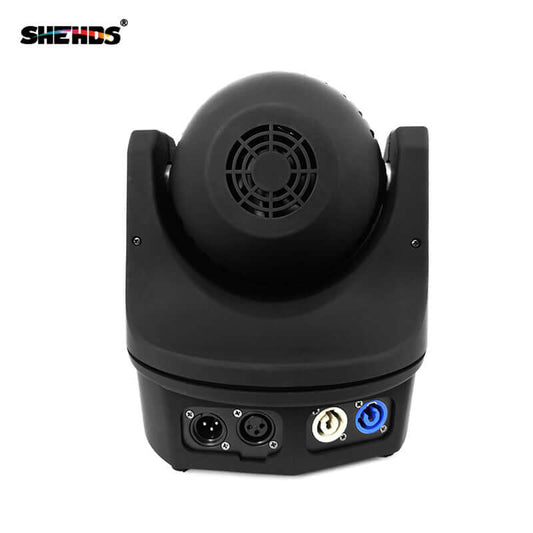


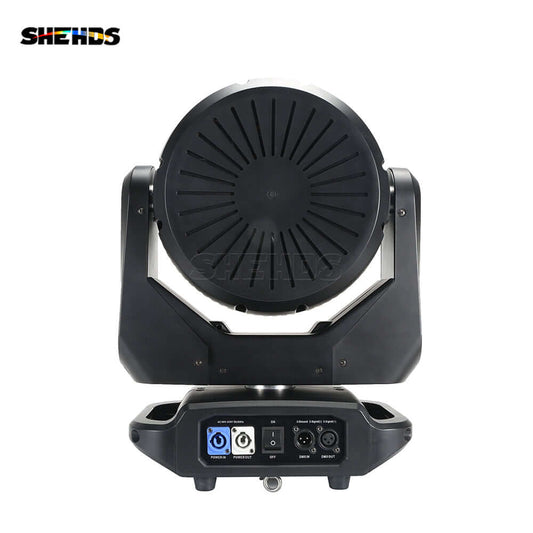
Pro DJs & Touring Techs Review Our LED Wash Lights in Action
Was ist ein Moving-Head-Washlight?
Moving-Head-Washlights werden verwendet, um eine Bühne oder Location mit kräftiger, gleichmäßiger Beleuchtung zu fluten.
Im Gegensatz zu LED-Beam-Lichtern, die einen scharfen Lichtstrahl bündeln, decken Washlights einen größeren Bereich mit weichen Kanten ab – ideal für Hintergrundfarbflächen, Bühnenatmosphäre und immersive Lichteffekte.
In einem Moving-Head-Gehäuse erhalten Washlights die Möglichkeit, über den gesamten Bereich zu schwenken und zu neigen – für dynamische Bühnenabdeckung und kreative Kontrolle.
Wo können LED Wash Moving Head Lights eingesetzt werden?
LED Wash Moving Head Lichter sind äußerst vielseitig und anpassungsfähig für verschiedenste Events und Locations.
- Live-Konzerte & Tourneen: Beleuchten Sie Bühnenhintergrund und Künstler mit gleichmäßigen, farbstarken Flächenlichtern.
- Nachtclubs & DJ-Pulte: Schaffen Sie fließende, farbwechselnde Atmosphären, die die Tanzfläche in Bewegung halten.
- Hochzeiten & Feiern: Sorgen Sie für romantische Uplights, sanfte Farbverläufe oder dynamische Stroboskopeffekte bei Empfängen.
- Theaterproduktionen: Sorgen Sie für Stimmungslicht oder Szenenwechsel mit leiser, flimmerfreier Beleuchtung.
- Firmenevents: Nutzen Sie weiche Kantenbeleuchtung, um Redner oder Markenhintergründe hervorzuheben.
- Gottesdienste: Dezente, atmosphärische Farbtöne können das Gottesdiensterlebnis verstärken, ohne abzulenken.
LED Beam vs. Wash Moving Head Lights
| Beam Moving Head Light | Wash Moving Head Light |
| Enger, gebündelter Beam | Breite, weich abgegrenzte Ausleuchtung |
| Durchdringung von Nebel, Lufteffekte | Color-Wash, Bühnenfüllung, Atmosphäre |
| Fokussiert und begrenzt | Breit und gleichmäßig |
| Maximale Wirkung, energiegeladen | Sanft, immersiv |
| Konzerte, EDM, Spotbeleuchtung | Theater, Hochzeiten, Ambientebeleuchtung |
So wählst du das richtige Moving-Wash-Light
1. Helligkeitsleistung: Achten Sie auf die Wattzahl (z. B. ist 19x40 W extrem hell für große Veranstaltungsorte).
2. Farbmischung: Achten Sie auf RGBW oder RGBWA+UV für maximale Effektvielfalt.
3. Zoom-Funktion: Einstellbarer Zoom sorgt für flexible Beam-Breiten.
4. DMX-Kompatibilität: Stellen Sie sicher, dass Ihr Washlight DMX512 oder Ihr vorhandenes Controller-Setup unterstützt.
5. Effektfunktionen: Bee-Eye-Rotation, Strobe und integrierte Programme eröffnen kreative Möglichkeiten.
6. Raumgröße: Kleinere Scheinwerfer eignen sich für intime Clubs, während Modelle wie 37x15 W oder 36x18 W für größere Bühnen ausgelegt sind.
7. Steuerungsmodus: Wählen Sie je nach Bedarf zwischen Auto-Run, DMX, Master-Slave und Sound-Aktivierung.
8. Verarbeitungsqualität: Setze auf Gehäuse aus Aluminiumlegierung und fortschrittliche Kühlsysteme für eine lange Lebensdauer.
Warum SHEHDS Wash Moving Head Lights wählen?
- Fortschrittliche LED-Technologie: Hochleistungs-LEDs für kräftige, gesättigte Farben.
- Auf Leistung ausgelegt: Leiser Betrieb, robuste Bauweise und fortschrittliche Kühlung.
- Weltweite Reichweite, lokaler Support: Schnelle Lieferung durch lokale Lager und reaktionsschnellen Service für alle Kunden.
- Kreative Kontrolle: DMX-programmierbar mit mehreren integrierten Effekten für individuelle Szenen.
- Flexible Optionen: Von kompakten Lichtern für mobile DJs bis hin zu großen Rigs für Festivals.