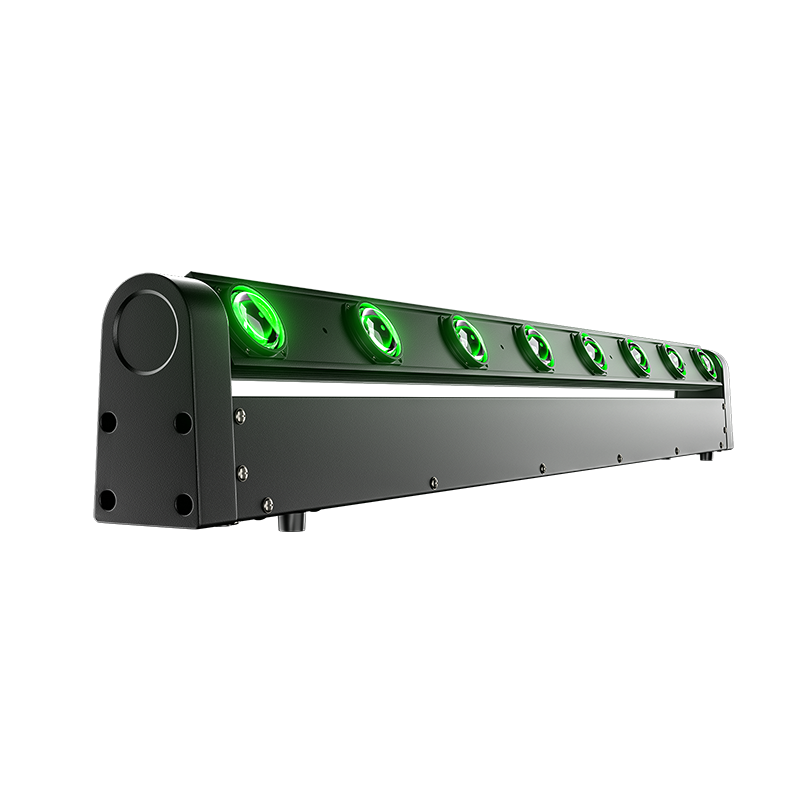


-
HOT- 13%

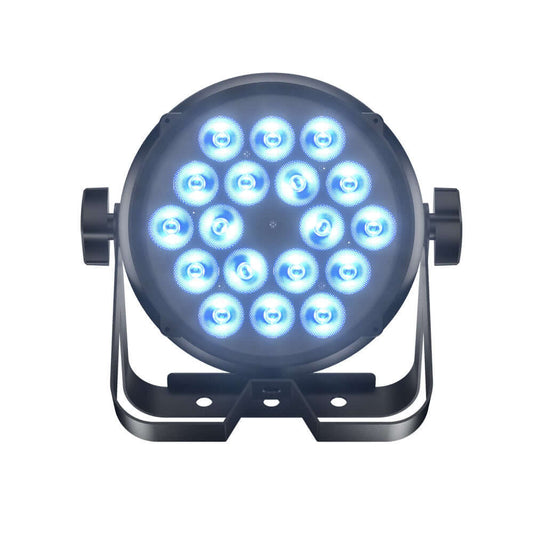
CORALPAR Par LED Plano Impermeable 18x12W RGBWA+UV Aleació..
3133Lux/10m | Ángulo de haz 45° | IP65
CORALPAR Par LED Plano Impermeable 18x12W RGBWA+..3133Lux/10m | Ángulo de haz 45° | IP65
Precio habitual $160.95 USDPrecio habitualPrecio unitario por$185.00 USDPrecio de oferta$ 160.95Oferta -
BEST SELLER- 13%

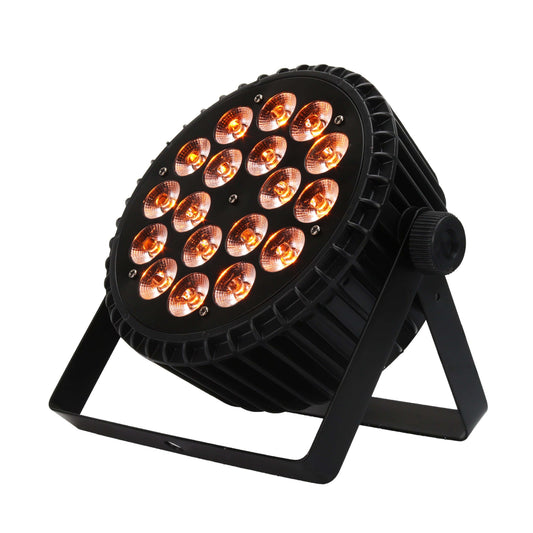
SHEHDS Foco LED plano de aleación de aluminio de 18x18W co..
40° | LEDs 6en1 | Carcasa duradera
SHEHDS Foco LED plano de aleación de aluminio de..40° | LEDs 6en1 | Carcasa duradera
Precio habitual $86.13 USDPrecio habitualPrecio unitario por$99.00 USDPrecio de oferta$ 86.13Oferta -
TRENDING- 13%
SHEHDS Foco Par LED Uplight Inalámbrico con Batería 6x18W ..
Control por app | Ángulo de haz de 40° | Inalámbrico
SHEHDS Foco Par LED Uplight Inalámbrico con Bate..Control por app | Ángulo de haz de 40° | Inalámbrico
Precio habitual $139.20 USDPrecio habitualPrecio unitario por$160.00 USDPrecio de oferta$ 139.20Oferta -
Trending- 13%
SHEHDS Par LED 7x18W Silencioso Slim RGBWA+UV para Escenario
Portátil | Frecuencia de flash 0-10HZ | Mezcla de colores
SHEHDS Par LED 7x18W Silencioso Slim RGBWA+UV pa..Portátil | Frecuencia de flash 0-10HZ | Mezcla de colores
Precio habitual $47.85 USDPrecio habitualPrecio unitario por$55.00 USDPrecio de oferta$ 47.85Oferta -
- 13%
SHEHDS Nueva Versión Par LED Zoom & Wash 18x18W RGBWA ..
Mezcla de color 6en1 | Ángulo de haz 23°-49° | 128 lux / 10 m
SHEHDS Nueva Versión Par LED Zoom & Wash 18x..Mezcla de color 6en1 | Ángulo de haz 23°-49° | 128 lux / 10 m
Precio habitual $139.20 USDPrecio habitualPrecio unitario por$160.00 USDPrecio de oferta$ 139.20Oferta -
- 13%
SHEHDS Nueva Versión Par LED 18x18W RGBWA+UV 6en1 Gran Ale..
LEDs 6en1 | Ángulo de haz 46,7° | Protección contra sobrecalentamiento
SHEHDS Nueva Versión Par LED 18x18W RGBWA+UV 6en..LEDs 6en1 | Ángulo de haz 46,7° | Protección contra sobrecalentamiento
Precio habitual $112.23 USDPrecio habitualPrecio unitario por$129.00 USDPrecio de oferta$ 112.23Oferta -
- 13%
SHEHDS Iluminación Par LED Zoom IP65 Impermeable 18x18W 6e..
IP65 | 15°-30° | Sin ruido
SHEHDS Iluminación Par LED Zoom IP65 Impermeable..IP65 | 15°-30° | Sin ruido
Precio habitual $268.83 USDPrecio habitualPrecio unitario por$309.00 USDPrecio de oferta$ 268.83Oferta -
- 13%
SHEHDS Foco LED con zoom 18x18W RGBWA+UV Iluminación Par
Zoom | RDM | 15°-45°
SHEHDS Foco LED con zoom 18x18W RGBWA+UV Ilumina..Zoom | RDM | 15°-45°
Precio habitual $113.10 USDPrecio habitualPrecio unitario por$130.00 USDPrecio de oferta$ 113.10Oferta -
- 13%
SHEHDS Gran Par LED de Aleación de Aluminio 18x12W RGBW / ..
Mezcla de colores | Carcasa de aluminio | DMX512
SHEHDS Gran Par LED de Aleación de Aluminio 18x1..Mezcla de colores | Carcasa de aluminio | DMX512
Precio habitual $73.95 USDPrecio habitualPrecio unitario por$85.00 USDPrecio de oferta$ 73.95Oferta -
- 13%
CORALPAR Par LED COB Impermeable 200W Blanco Frío & Bl..
IP65 | 4824 lux / 10 m | 2700K~6500K
CORALPAR Par LED COB Impermeable 200W Blanco Frí..IP65 | 4824 lux / 10 m | 2700K~6500K
Precio habitual $152.25 USDPrecio habitualPrecio unitario por$175.00 USDPrecio de oferta$ 152.25Oferta -
- 13%
SHEHDS Iluminación Par LED Mini 7x18W 6en1 RGBWA+UV Aleaci..
Carcasa de aluminio | DMX512 | LEDs 6en1
SHEHDS Iluminación Par LED Mini 7x18W 6en1 RGBWA..Carcasa de aluminio | DMX512 | LEDs 6en1
Precio habitual $47.85 USDPrecio habitualPrecio unitario por$55.00 USDPrecio de oferta$ 47.85Oferta -
- 13%
SHEHDS Foco LED PAR de aleación de aluminio 18x12W RGBW 4 ..
RGBW | Cuerpo de aleación de aluminio | DMX512
SHEHDS Foco LED PAR de aleación de aluminio 18x1..RGBW | Cuerpo de aleación de aluminio | DMX512
Precio habitual $73.95 USDPrecio habitualPrecio unitario por$85.00 USDPrecio de oferta$ 73.95Oferta -
- 13%

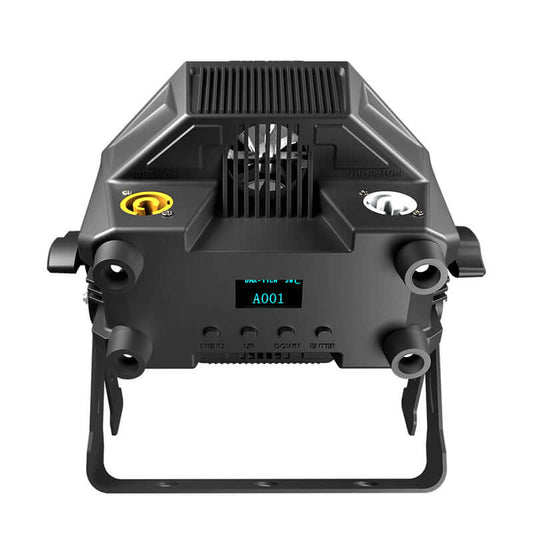
GlamoPar Iluminación LED 7x12W RGBWA+UV&RGBLAC Mezcla ..
Ángulo de haz 23° | Portátil | Bajo ruido
GlamoPar Iluminación LED 7x12W RGBWA+UV&RGBL..Ángulo de haz 23° | Portátil | Bajo ruido
Precio habitual $65.25 USDPrecio habitualPrecio unitario por$75.00 USDPrecio de oferta$ 65.25Oferta -
- 13%

GlamoPar Serie de Focos LED 5x12W / 7x12W 6en1 Mezcla de C..
Portátil | Flexible | Ángulo de haz 23°
GlamoPar Serie de Focos LED 5x12W / 7x12W 6en1 M..Portátil | Flexible | Ángulo de haz 23°
Precio habitual $65.25 USDPrecio habitualPrecio unitario por$75.00 USDPrecio de oferta$ 65.25Oferta -
- 13%
SHEHDS 7x12w Iluminación Par LED RGBW para Iglesia, Bodas
Portátil | Frecuencia de flash 0-10HZ | Mezcla de colores
SHEHDS 7x12w Iluminación Par LED RGBW para Igles..Portátil | Frecuencia de flash 0-10HZ | Mezcla de colores
Precio habitual $30.45 USDPrecio habitualPrecio unitario por$35.00 USDPrecio de oferta$ 30.45Oferta -
- 35%
SHEHDS Gran Par LED de Aleación de Aluminio 18x12W RGBW / ..
Mezcla de colores | Carcasa de aluminio | DMX512
SHEHDS Gran Par LED de Aleación de Aluminio 18x1..Mezcla de colores | Carcasa de aluminio | DMX512
Precio habitual $73.95 USDPrecio habitualPrecio unitario por$85.00 USDPrecio de oferta$ 73.95Oferta


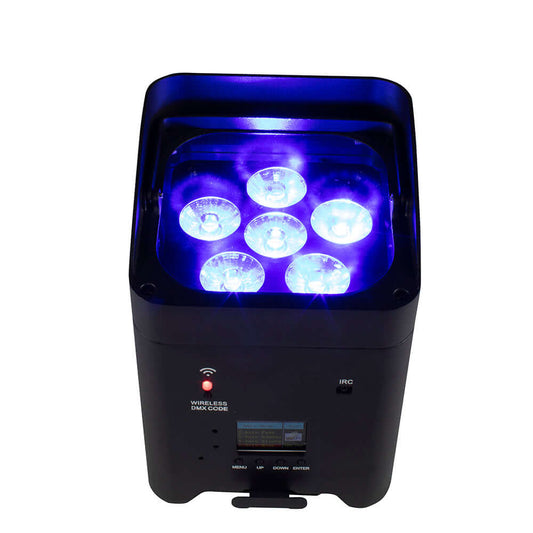

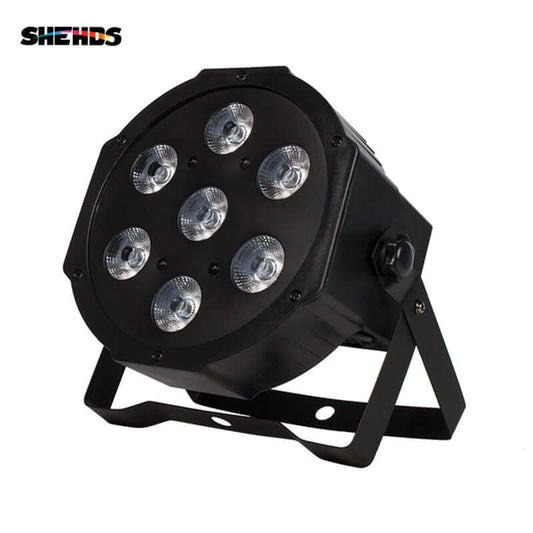

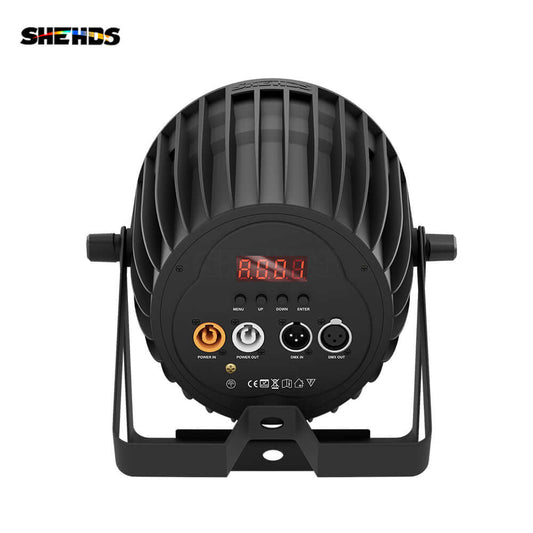

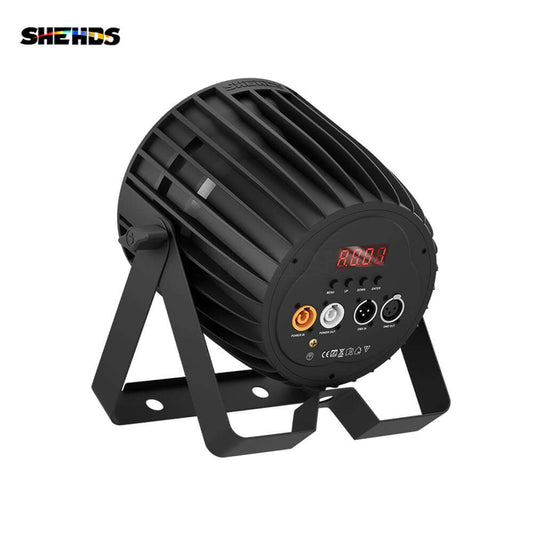

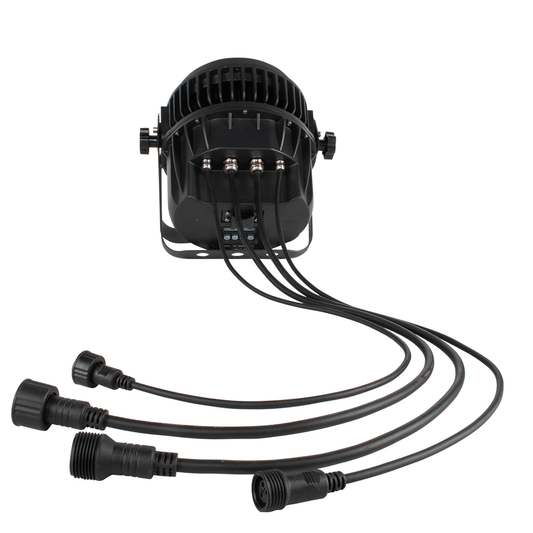

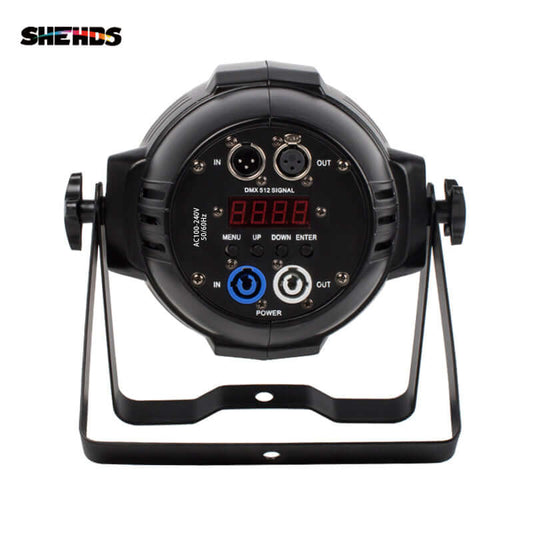

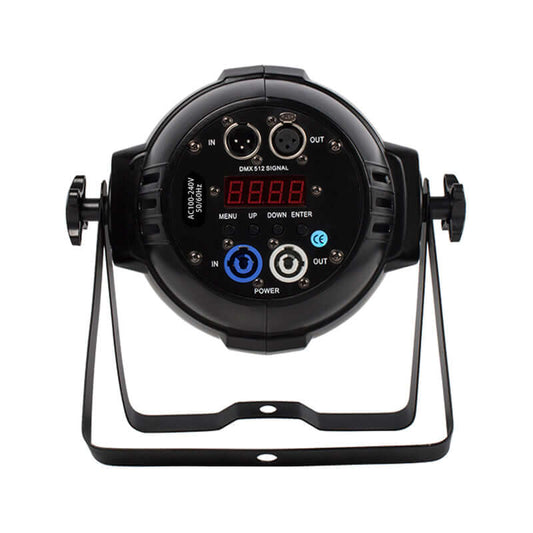

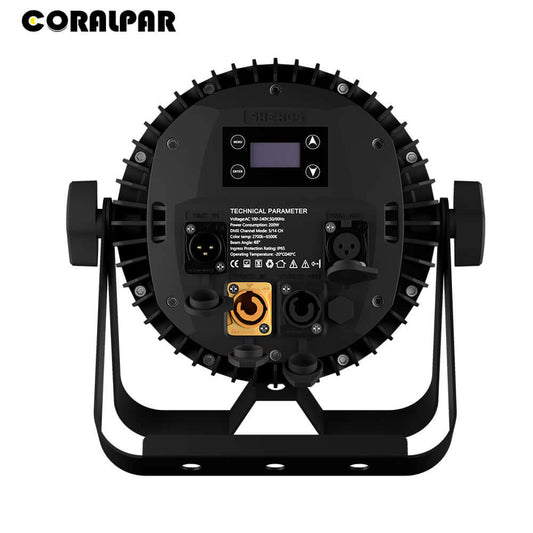

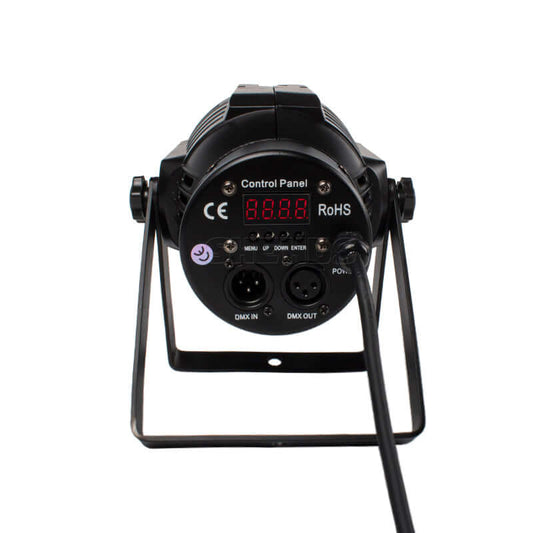

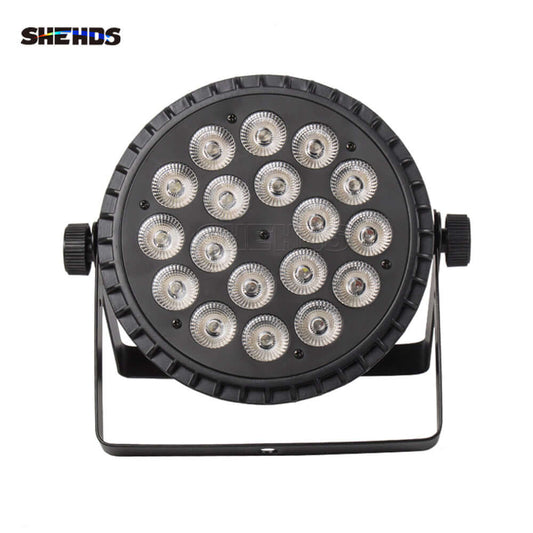


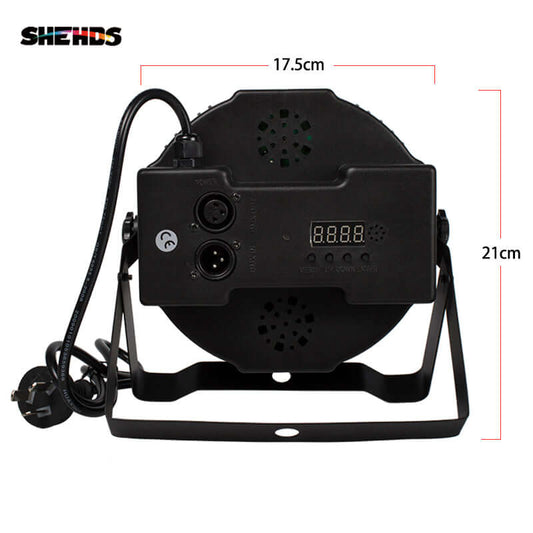
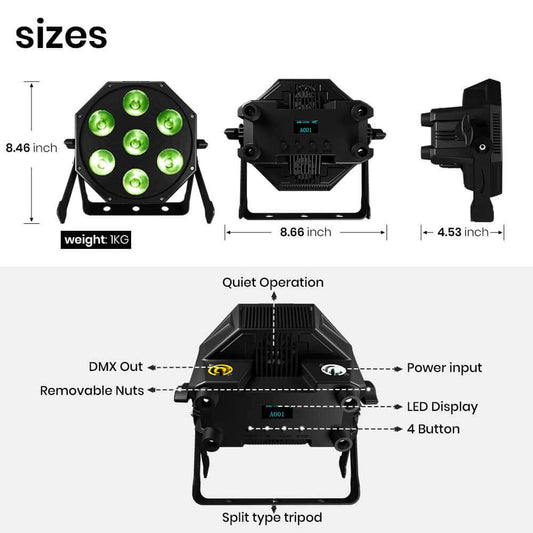
¿Buscas iluminación para escenario de alto rendimiento que combine potencia, durabilidad y precisión?
Nuestra serie de focos Par de aluminio es perfecta para ti. Fabricados con aleación de aluminio de alta calidad, estos focos Par ofrecen una experiencia excelente.
¿Por qué marca la diferencia el aluminio?
Cada equipo de esta colección cuenta con una carcasa de aleación de aluminio macizo. ¿Por qué es importante?
- Disipación de calor superior: Protege los componentes internos y prolonga la vida útil
- Durabilidad mejorada: Resiste el transporte, el montaje frecuente y el uso diario.
- Estética profesional: Diseño limpio, robusto y moderno
- Ligero pero resistente: Fácil de manejar para DJs móviles, instaladores y equipos de escenario
¿Qué tener en cuenta? ¿Cómo elegir una luz Par de aluminio?
Potencia LED y mezcla de color.
- Modelos desde 6x18W hasta 18x18W con LEDs de alto rendimiento
- Elige entre opciones como RGBW, RGBWA+UV y COB White
- Disfruta de una mezcla de colores rica, desde baños suaves hasta efectos estroboscópicos intensos.
Control de zoom y ángulo de wash
¿Necesitas control flexible del haz para diferentes recintos o estilos de iluminación?
Contamos con focos Par LED Zoom & Wash que te permiten ajustar el ancho del haz.
Flexibilidad de control.
Para modos manuales y DMX512, ofrecemos luces par que se adaptan a todas las preferencias de uso.
Clasificación de impermeabilidad
¿Planeas un evento al aire libre o quieres tranquilidad en entornos difíciles? Echa un vistazo a nuestras luces Par planas LED de aluminio impermeables con certificación IP65.
Montaje y portabilidad
La carcasa de aluminio los mantiene ligeros sin sacrificar resistencia—ideal para un montaje sencillo y para instalaciones móviles o fijas.
¿Dónde puedes usar los focos Par de aleación de aluminio?
1. Conciertos en directo – Lavados intensos, efectos estroboscópicos y contraluces precisos.
2. Iglesias y lugares de culto: Tonos suaves y ambientales para los servicios o efectos dramáticos para actuaciones.
3. DJs y discotecas – Iluminación sincronizada al ritmo con activación DMX
4. Eventos al aire libre – Modelos robustos con certificación IP65 que resisten la intemperie y ofrecen calidad escénica
5. Escenarios teatrales: transiciones de color, escenas envolventes y cambios de luz atenuada
¿Por qué elegir los focos PAR de aluminio SHEHDS?
Estructura de aleación de aluminio de alta resistencia
Cada luz ofrece una resistencia excepcional al calor, al estrés físico y al desgaste prolongado.
Configuraciones LED avanzadas
4-en-1 RGBW, 6-en-1 RGBWA+UV o COB blanco de alta potencia—te ofrecen mezcla de color rica, atenuación suave y efectos de haz personalizables.
¿Quieres explorar más modelos de focos Par? ¡Mira nuestras luces LED Par!
Opciones impermeables con clasificación IP
Muchos de nuestros modelos son resistentes a la intemperie para uso exterior, preparados para soportar lluvia, polvo y humedad.
¡También echa un vistazo a nuestra iluminación escénica para exteriores!
Control suave para efectos escénicos
Ofrecemos funciones como zoom motorizado para control flexible del haz y DMX. Recomendadas por diseñadores de iluminación que buscan adaptabilidad y operación moderna.
Diseñado para profesionales, al alcance de todos los bolsillos.
Precios asequibles y rendimiento profesional.
Nuestras luces Par son más fáciles de actualizar para DJs, equipos AV de iglesias, animadores móviles y equipos de producción.
Soporte de confianza y entrega rápida
Con miles de clientes en todo el mundo, nuestra reputación se basa en un servicio ágil, documentación clara y entregas rápidas y seguras. Siempre estamos a tu lado.