


-
BEST SELLER- 13%

SHEHDS Foco LED plano de aleación de aluminio de 18x18W co..
40° | LEDs 6en1 | Carcasa duradera
SHEHDS Foco LED plano de aleación de aluminio de..40° | LEDs 6en1 | Carcasa duradera
Precio habitual $86.13 USDPrecio habitualPrecio unitario por$99.00 USDPrecio de oferta$ 86.13Oferta -
HOT- 13%
SHEHDS Cabeza Móvil Beam LED 8x12W RGBW para Bodas y Shows..
Haz | Uniforme y colorido | Instalación en suspensión
SHEHDS Cabeza Móvil Beam LED 8x12W RGBW para Bod..Haz | Uniforme y colorido | Instalación en suspensión
Precio habitual $160.95 USDPrecio habitualPrecio unitario por$185.00 USDPrecio de oferta$ 160.95Oferta -
TRENDING- 13%
SHEHDS Cabeza Móvil Beam 275W 10R Doble Prisma para DJ
Doble prisma | Ángulo de haz 2,8° | 14 patrones Gobo
SHEHDS Cabeza Móvil Beam 275W 10R Doble Prisma p..Doble prisma | Ángulo de haz 2,8° | 14 patrones Gobo
Precio habitual $374.10 USDPrecio habitualPrecio unitario por$430.00 USDPrecio de oferta$ 374.10Oferta -
TRENDING- 13%
SHEHDS Foco Par LED Uplight Inalámbrico con Batería 6x18W ..
Control por app | Ángulo de haz de 40° | Inalámbrico
SHEHDS Foco Par LED Uplight Inalámbrico con Bate..Control por app | Ángulo de haz de 40° | Inalámbrico
Precio habitual $139.20 USDPrecio habitualPrecio unitario por$160.00 USDPrecio de oferta$ 139.20Oferta -
HOT- 13%
SHEHDS Zoom & Wash 36x18W Cabeza Móvil RGBWA+UV para D..
Regulación lineal | Mezcla de color | Zoom de 15-45°
SHEHDS Zoom & Wash 36x18W Cabeza Móvil RGBWA..Regulación lineal | Mezcla de color | Zoom de 15-45°
Precio habitual $252.30 USDPrecio habitualPrecio unitario por$290.00 USDPrecio de oferta$ 252.30Oferta -
HOT- 13%
SHEHDS Cabeza Móvil Beam 230W 7R con Alta Luminosidad y Gr..
Compacto y ligero | Ángulo de haz 1,2°-30° | Frost
SHEHDS Cabeza Móvil Beam 230W 7R con Alta Lumino..Compacto y ligero | Ángulo de haz 1,2°-30° | Frost
Precio habitual $321.03 USDPrecio habitualPrecio unitario por$369.00 USDPrecio de oferta$ 321.03Oferta -
BEST SELLER- 13%

GalaxyJet LED 200W / 300W Cabeza Móvil Beam / Beam & W..
Silencioso | Alto CRI | Compacto y ligero
GalaxyJet LED 200W / 300W Cabeza Móvil Beam / Be..Silencioso | Alto CRI | Compacto y ligero
Precio habitual $573.33 USDPrecio habitualPrecio unitario por$659.00 USDPrecio de oferta$ 573.33Oferta -
HOT- 13%
SHEHDS Barra LED Wall Wash 6en1 RGBWA+UV Efecto Escenario
Mezcla de colores | Ligero | Uniforme y colorido
SHEHDS Barra LED Wall Wash 6en1 RGBWA+UV Efecto ..Mezcla de colores | Ligero | Uniforme y colorido
Precio habitual $165.30 USDPrecio habitualPrecio unitario por$190.00 USDPrecio de oferta$ 165.30Oferta -
BEST SELLER- 13%

Shehds Cabezal móvil LED de 19 x 15 W, 20 W y 25 W, haz de..
Silent | Faster Moves | High Brightness
Shehds Cabezal móvil LED de 19 x 15 W, 20 W y 25..Silent | Faster Moves | High Brightness
Precio habitual $216.63 USDPrecio habitualPrecio unitario por$249.00 USDPrecio de oferta$ 216.63Oferta -
HOT- 13%
SHEHDS 200W Luz Estroboscópica RGB LED de 8 Segmentos para..
Estrobo 1-30Hz | RDM | Ventilador silencioso
SHEHDS 200W Luz Estroboscópica RGB LED de 8 Segm..Estrobo 1-30Hz | RDM | Ventilador silencioso
Precio habitual $113.10 USDPrecio habitualPrecio unitario por$130.00 USDPrecio de oferta$ 113.10Oferta -
HOT- 13%
SHEHDS Blinder LED COB 2 Ojos 200W Blanco Frío y Cálido
Ángulo de haz 90° | Doble COB de 100W | 3200K-5600K
SHEHDS Blinder LED COB 2 Ojos 200W Blanco Frío y..Ángulo de haz 90° | Doble COB de 100W | 3200K-5600K
Precio habitual $94.83 USDPrecio habitualPrecio unitario por$109.00 USDPrecio de oferta$ 94.83Oferta -
HOT- 13%
SHEHDS 200W COB Doble Color Zoom Par con Viseras, Blanco C..
Temperatura de color dual | Viseras incluidas | Ligero
SHEHDS 200W COB Doble Color Zoom Par con Viseras..Temperatura de color dual | Viseras incluidas | Ligero
Precio habitual $213.15 USDPrecio habitualPrecio unitario por$245.00 USDPrecio de oferta$ 213.15Oferta -
HOT- 13%
JMS WEBB Cabeza Móvil Bee Eye LED 19x20W & 19x40W RGBW..
Ángulo de haz 4-45° | CTO lineal | Estrobo 0-25Hz
JMS WEBB Cabeza Móvil Bee Eye LED 19x20W & 1..Ángulo de haz 4-45° | CTO lineal | Estrobo 0-25Hz
Precio habitual $409.18 USDPrecio habitualPrecio unitario por$499.00 USDPrecio de oferta$ 409.18Oferta -
Trending- 13%
SHEHDS Par LED 7x18W Silencioso Slim RGBWA+UV para Escenario
Portátil | Frecuencia de flash 0-10HZ | Mezcla de colores
SHEHDS Par LED 7x18W Silencioso Slim RGBWA+UV pa..Portátil | Frecuencia de flash 0-10HZ | Mezcla de colores
Precio habitual $47.85 USDPrecio habitualPrecio unitario por$55.00 USDPrecio de oferta$ 47.85Oferta -
HOT- 13%

SHEHDS Control por APP Escáner láser RGB de 3W Luz láser d..
Control por APP | Máx. 60° | Clase IV
SHEHDS Control por APP Escáner láser RGB de 3W L..Control por APP | Máx. 60° | Clase IV
Precio habitual $311.46 USDPrecio habitualPrecio unitario por$358.00 USDPrecio de oferta$ 311.46Oferta -
HOT- 13%

CORALPAR Par LED Plano Impermeable 18x12W RGBWA+UV Aleació..
3133Lux/10m | Ángulo de haz 45° | IP65
CORALPAR Par LED Plano Impermeable 18x12W RGBWA+..3133Lux/10m | Ángulo de haz 45° | IP65
Precio habitual $160.95 USDPrecio habitualPrecio unitario por$185.00 USDPrecio de oferta$ 160.95Oferta -
HOT- 13%

SHEHDS Cabeza Móvil Spot Gobo LED 100W 6 Prismas con Panta..
Ángulo de haz 16° | Ligero | DMX512
SHEHDS Cabeza Móvil Spot Gobo LED 100W 6 Prismas..Ángulo de haz 16° | Ligero | DMX512
Precio habitual $224.46 USDPrecio habitualPrecio unitario por$258.00 USDPrecio de oferta$ 224.46Oferta -
- 13%
SHEHDS Cabeza móvil LED de 60W con gobos para iluminación ..
9/11 canales | Ligero | DMX512
SHEHDS Cabeza móvil LED de 60W con gobos para il..9/11 canales | Ligero | DMX512
Precio habitual $94.83 USDPrecio habitualPrecio unitario por$109.00 USDPrecio de oferta$ 94.83Oferta -
- 13%
SHEHDS 200W COB LED Par Light Blanco Frío y Cálido con Vis..
60°-75° | 3200K-5600K | Cuerpo de alta resistencia
SHEHDS 200W COB LED Par Light Blanco Frío y Cáli..60°-75° | 3200K-5600K | Cuerpo de alta resistencia
Precio habitual $91.35 USDPrecio habitualPrecio unitario por$105.00 USDPrecio de oferta$ 91.35Oferta -
HOT- 13%
GalaxyJet Iluminación LED de cabeza móvil de 180W
7500±500K | 7790 lux a 10 m | Ligero
GalaxyJet Iluminación LED de cabeza móvil de 180W7500±500K | 7790 lux a 10 m | Ligero
Precio habitual $300.15 USDPrecio habitualPrecio unitario por$345.00 USDPrecio de oferta$ 300.15Oferta -
- 13%
SHEHDS Cabeza Móvil LED 160W 3en1 Beam, Spot y Zoom
RDM | Ligero | Frost
SHEHDS Cabeza Móvil LED 160W 3en1 Beam, Spot y Z..RDM | Ligero | Frost
Precio habitual $373.23 USDPrecio habitualPrecio unitario por$429.00 USDPrecio de oferta$ 373.23Oferta -
- 13%
SHEHDS Iluminación Par LED Mini 7x18W 6en1 RGBWA+UV Aleaci..
Carcasa de aluminio | DMX512 | LEDs 6en1
SHEHDS Iluminación Par LED Mini 7x18W 6en1 RGBWA..Carcasa de aluminio | DMX512 | LEDs 6en1
Precio habitual $47.85 USDPrecio habitualPrecio unitario por$55.00 USDPrecio de oferta$ 47.85Oferta -
- 13%
SHEHDS Foco LED con zoom 18x18W RGBWA+UV Iluminación Par
Zoom | RDM | 15°-45°
SHEHDS Foco LED con zoom 18x18W RGBWA+UV Ilumina..Zoom | RDM | 15°-45°
Precio habitual $113.10 USDPrecio habitualPrecio unitario por$130.00 USDPrecio de oferta$ 113.10Oferta -
HOT- 13%
SHEHDS Foco LED de pared tipo patchwork de 18x18W RGBWA+UV..
Patchwork | 3264Lux/2m | Funcionamiento silencioso
SHEHDS Foco LED de pared tipo patchwork de 18x18..Patchwork | 3264Lux/2m | Funcionamiento silencioso
Precio habitual $234.03 USDPrecio habitualPrecio unitario por$269.00 USDPrecio de oferta$ 234.03Oferta


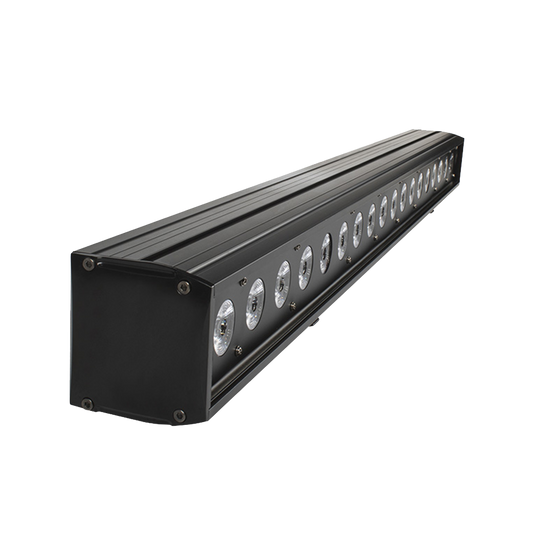


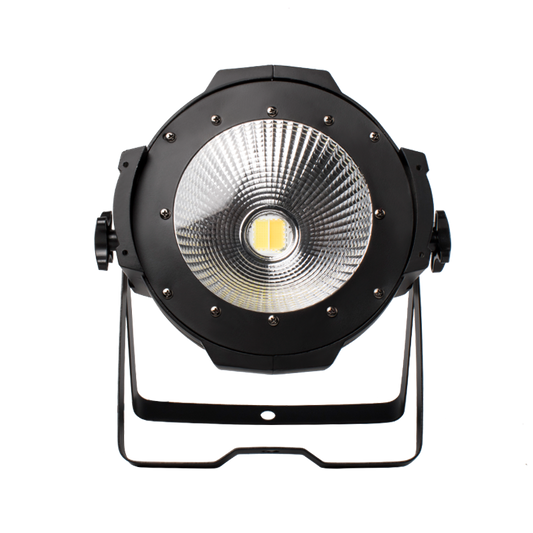


Si quieres crear efectos dinámicos y llamativos, necesitas nuestros equipos insignia.
Al elegir nuestra línea de iluminación profesional para escenario, obtienes las prestaciones y la fiabilidad que exigen los mejores profesionales.
¿Cuáles son los tipos de equipos de iluminación para escenario?
Aquí tenemos luces profesionales para escenario, como luces PAR y luces láser para uplighting, mezcla de color y proporcionar iluminación esencial.
Para equipos especializados, contamos con potentes luces láser de alta potencia para gráficos y haces espectaculares, y robustas luces impermeables que soportan eventos al aire libre y lluvia sin perder el ritmo.
¿Cómo programar luces de escenario con controladores DMX?
Para crear un show, programar un controlador DMX normalmente requiere direccionar las luces, encadenar las luces y crear una escena.
1. Asignar direcciones a las luces: Configura una dirección DMX inicial única en cada foco (por ejemplo, Luz 1 = Dirección 1, Luz 2 = Dirección 17, etc.).
2. Encadena las luces: Conecta tu controlador DMX a la primera luz y luego pasa un cable DMX de esa luz a la siguiente, formando una "cadena margarita" que conecte todos tus equipos.
3. Crea una escena: En tu controlador DMX, selecciona las luces que quieres usar e indícales qué hacer (por ejemplo, Color rojo, Movimiento a la izquierda, Estrobo activado). Guarda este look como una "Escena".
4. Crea un show: Organiza varias escenas en un "Chase" o "Secuencia" para ejecutar automáticamente todo tu espectáculo de luces durante el evento.
FAQs
Stage Equipment
-

¿Qué es un Par Light? Las luces PAR son un tipo de...
-

How Do You Choose the Right Moving Head Light Fixtures? Moving head...
-

¿Qué es una luz láser para escenario? Una luz láser para escenario...
-
Brillo resistente a la intemperie para cualquier ocasión Estas luces no solo...
-

¿Qué son las luces de efectos? Las luces de efectos son dispositivos...
-

What Makes Stage Light Bars Different? Stage light bars are linear LED...
-

What Are the Three Types of Spotlights? The three most common types...
-
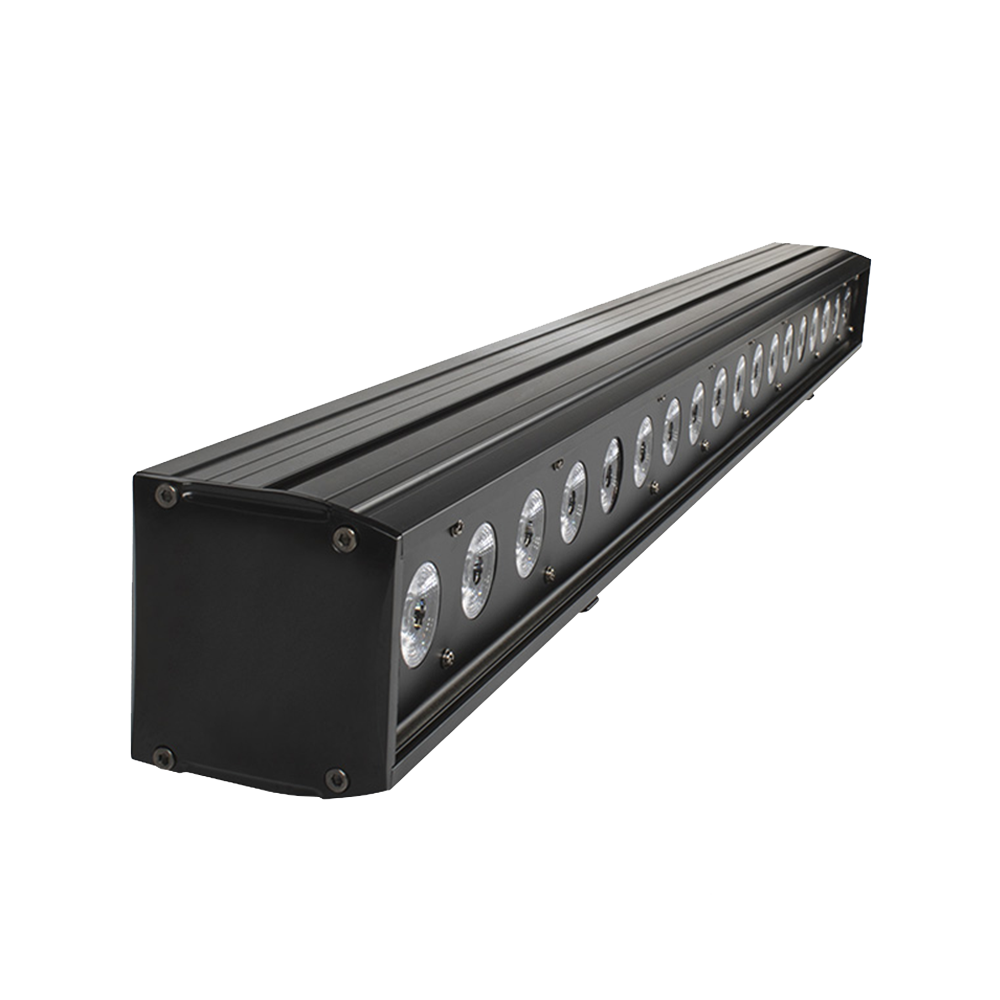
What Is Stage Wash Lighting? Stage wash lighting spreads light evenly across...
-

¿Qué es un controlador DMX? Un controlador DMX (Controlador de Multiplexación Digital)...


Stage Lighting Solutions for Every Venue


What are the common LED stage light types?
LED stage lights usually fall into a few core categories:
- PAR LED stage lights for washes,
- LED moving heads for dynamic beams,
- LED bars for scenic color,
- LED Fresnels and ellipsoidals for focused theater lighting,
- LED strobes for impact,
- LED laser lights for stunning visual effects.
What's the difference between beam, spot, and wash lights?
These are the three core fixture types in any stage rig:
Beam lights:shoot a tight, pencil-thin shaft of light into the air — not to illuminate surfaces, but to create aerial effects. Pair with a hazer and beams become visible mid-air. Best for DJs, clubs, EDM events & touring stages.
Spot lights:project a defined shape — gobos, logos, or patterns — onto a surface. Think theater follow-spots, concert lighting, or a custom gobo with a couple's initials at a wedding. Most SHEHDS hybrid moving heads switch between beam and spot mode in the same show.
Wash lights:flood a wide area with smooth, even color — no hard edges. Makes a church stage glow or turns a plain backdrop deep purple. The most forgiving fixture for beginners.
Quick rule of thumb: start with wash lights if it's your first rig, then add beams once you have the basics down.
How much do stage lights cost?
Stage lights at SHEHDS range from $30 to $900+ depending on fixture type:
• LED PAR lights — from $30 each. Color wash & uplighting, beginner-friendly.
• LED beam moving heads — from $112 each. Aerial beam effects for DJ gigs & events.
• LED wash moving heads — from $130 each. Smooth color coverage across stage & backdrop.
• Discharge beam 7R (230W) — from $321 each. Sharp pencil beams for concerts & touring.
• Discharge beam 10R / 14R / 17R — from $374 each. Brighter output, prism effects, clubs & touring.
Name-brand equivalents (Martin, Robe) cost $1,500–$2,000 per fixture for the same output. A starter rig for a mobile DJ or church stage typically runs $500–$1,500 total — most pros run 4–6 fixtures and build over time.
How many stage lights do I need for my setup?
It depends on your venue size and event type — but here are practical starting points:
• Mobile DJ rig: 4–6 moving heads is the sweet spot. Most pros pair 2–4 beam lights for aerial effects with 2 wash lights to cover the dance floor with color.
• Church or small stage: Start with 4–6 LED PAR lights for general wash, then add 2 moving heads for dynamic effects during worship.
• Wedding or event venue: 4–6 LED PAR uplights around the room plus 2–4 moving heads on stage covers most setups.
• Clubs & touring stages: 8–12+ fixtures — a mix of beam, spot, and wash — all DMX-chained for full control.
You don't need to buy everything at once. Most professionals start with wash lights or PAR lights (forgiving, flexible) and add beam moving heads once the basics are covered.
What is DMX control and do I need it for stage lighting?
DMX512 is the industry-standard protocol that lets you control multiple stage lights from a single controller or software — adjusting color, movement, brightness, and effects in sync.
Do you need it? It depends on how you work:
• Sound-activated mode: lights respond automatically to music beats. No controller needed — great for beginners and small events.
• Master-slave mode: one light leads, the rest follow. Simple setup, no extra hardware.
• DMX mode: full manual or programmed control via a DMX controller or software. Best for concerts, touring, and church productions where you want precise cues.
All SHEHDS stage lights support all three modes. They also feature DMX in and out ports, so you can daisy-chain multiple fixtures with a single cable run — no need for a separate DMX splitter on smaller rigs.
What LED stage light colors stand out on stage?
To make people stand out on a stage, warm colors (reds, oranges, ambers) from LED stage lights should be major tones. They bring energy and passion. They pull the audience in, making large venues feel intimate.
To make a mysterious vibe, cool colors (blues, purples, greens) from LED stage lights are ideal. They create depth, and make a small stage feel infinite.
Do SHEHDS stage lights come with a warranty?
Yes — all SHEHDS stage lights come with a 2-year warranty.
We also stock inventory in US and EU warehouses, so most orders ship within 1–3 business days without waiting weeks for overseas delivery.