


-
HOT- 12%
CoralPar Iluminação de cabeça móvel estroboscópica RGB de ..
4050Lux/2m | Funcionamento Silencioso | IP65
CoralPar Iluminação de cabeça móvel estroboscópi..4050Lux/2m | Funcionamento Silencioso | IP65
Preço normal $796.40 USDPreço normalPreço unitário por$905.00 USDPreço de saldo$ 796.40Em promoção -
HOT- 12%
LEKO Óptico com Zoom LED 250W/350W LED RGBWAUV/RGBLAC/RGBW..
Faixa de Zoom 19°-46° | Gobo DIY | Full Color
LEKO Óptico com Zoom LED 250W/350W LED RGBWAUV/R..Faixa de Zoom 19°-46° | Gobo DIY | Full Color
Preço normal $501.60 USDPreço normalPreço unitário por$570.00 USDPreço de saldo$ 501.60Em promoção -
- 12%

Nova APP SHEHDS Laser Impermeável 3W RGB Scanning Pattern ..
Controlo por APP | Máx 60° | IP65
Nova APP SHEHDS Laser Impermeável 3W RGB Scannin..Controlo por APP | Máx 60° | IP65
Preço normal $303.60 USDPreço normalPreço unitário por$345.00 USDPreço de saldo$ 303.60Em promoção -
HOT- 12%

ShockCore Projetor LED à Prova de Água 44x10W RGBW Lente F..
IP65 | Leve | Ângulo de Wash 25° |
ShockCore Projetor LED à Prova de Água 44x10W RG..IP65 | Leve | Ângulo de Wash 25° |
Preço normal $281.60 USDPreço normalPreço unitário por$320.00 USDPreço de saldo$ 281.60Em promoção -
- 12%
GalaxyJet Iluminação Moving Head IP65 à prova de água, 380..
IP65 | Anel LED | 1,8°-9,5°
GalaxyJet Iluminação Moving Head IP65 à prova de..IP65 | Anel LED | 1,8°-9,5°
Preço normal $968.00 USDPreço normalPreço unitário por$1,100.00 USDPreço de saldo$ 968.00Em promoção -
- 12%

SHEHDS APP Controlo Projetor Laser 1W RGB – Duplo Padrão A..
Controlo por APP | Laser RGB | Máx 30°
SHEHDS APP Controlo Projetor Laser 1W RGB – Dupl..Controlo por APP | Laser RGB | Máx 30°
Preço normal $140.80 USDPreço normalPreço unitário por$160.00 USDPreço de saldo$ 140.80Em promoção -
- 12%
Constellaser Laser de Animação RGB 12W de Alta Potência
Controlo por APP | ILDA | RJ45
Constellaser Laser de Animação RGB 12W de Alta P..Controlo por APP | ILDA | RJ45
Preço normal $835.12 USDPreço normalPreço unitário por$949.00 USDPreço de saldo$ 835.12Em promoção -
HOT- 12%
SHEHDS 200W LED Moving Head Strobe Light Matrix Effect Was..
Powerful Strobe | Chase Mode | Pixel Control
SHEHDS 200W LED Moving Head Strobe Light Matrix ..Powerful Strobe | Chase Mode | Pixel Control
Preço normal $180.40 USDPreço normalPreço unitário por$205.00 USDPreço de saldo$ 180.40Em promoção -
- 12%
SHEHDS Iluminação Par LED Alumínio Grande 18x12W RGBW / 18..
Mistura de Cores | Estrutura em Alumínio | DMX512
SHEHDS Iluminação Par LED Alumínio Grande 18x12W..Mistura de Cores | Estrutura em Alumínio | DMX512
Preço normal $74.80 USDPreço normalPreço unitário por$85.00 USDPreço de saldo$ 74.80Em promoção -
- 12%
SHEHDS 4 Olhos LED Blinder 4x100W Iluminação COB com 2 Can..
Ângulo de feixe 60°-75° | Branco Frio & Quente | Controlo Duplo de Canal
SHEHDS 4 Olhos LED Blinder 4x100W Iluminação COB..Ângulo de feixe 60°-75° | Branco Frio & Quente | Controlo Duplo de Canal
Preço normal $254.32 USDPreço normalPreço unitário por$289.00 USDPreço de saldo$ 254.32Em promoção -
- 12%
CORALPAR Par LED COB 200W Branco Frio & Branco Quente ..
IP65 | 4824 Lux / 10m | 2700K~6500K
CORALPAR Par LED COB 200W Branco Frio & Bran..IP65 | 4824 Lux / 10m | 2700K~6500K
Preço normal $154.00 USDPreço normalPreço unitário por$175.00 USDPreço de saldo$ 154.00Em promoção -
- 12%
SHEHDS LED COB 200W 6em1 RGBWA UV Controlo de Temperatura ..
260 Lux / 10m | Mistura de Cores 6em1 | Ângulo de Feixe 69°
SHEHDS LED COB 200W 6em1 RGBWA UV Controlo de Te..260 Lux / 10m | Mistura de Cores 6em1 | Ângulo de Feixe 69°
Preço normal $122.32 USDPreço normalPreço unitário por$139.00 USDPreço de saldo$ 122.32Em promoção -
- 12%
SHEHDS Iluminação de cabeça móvel 8 Olhos, 8x500mW Laser V..
Laser Vermelho | LEDs RGB | TTL
SHEHDS Iluminação de cabeça móvel 8 Olhos, 8x500..Laser Vermelho | LEDs RGB | TTL
Preço normal $341.44 USDPreço normalPreço unitário por$388.00 USDPreço de saldo$ 341.44Em promoção -
- 12%

SHEHDS Spotlight LED 80W com Gobo de Prisma Triplo
3 prismas rotativos | Leve | Focagem linear
SHEHDS Spotlight LED 80W com Gobo de Prisma Triplo3 prismas rotativos | Leve | Focagem linear
Preço normal $171.60 USDPreço normalPreço unitário por$195.00 USDPreço de saldo$ 171.60Em promoção -
- 12%
SHEHDS 380W 3em1 Beam & GOBO & Wash Cabeça Móvel
7500K | Prismas duplos rotativos | Frost
SHEHDS 380W 3em1 Beam & GOBO & Wash Cabe..7500K | Prismas duplos rotativos | Frost
Preço normal $1,034.88 USDPreço normalPreço unitário por$1,176.00 USDPreço de saldo$ 1,034.88Em promoção -
- 12%
SHEHDS Iluminação LED RGBW à prova de água 19x40W com zoom..
IP65 | CTO 2500-7200K | 4°-55°
SHEHDS Iluminação LED RGBW à prova de água 19x40..IP65 | CTO 2500-7200K | 4°-55°
Preço normal $1,125.52 USDPreço normalPreço unitário por$1,279.00 USDPreço de saldo$ 1,125.52Em promoção -
- 12%
SHEHDS Iluminação de cabeça móvel LED Bee Eye Beam & W..
Portátil | LEDs RGBW | DMX512
SHEHDS Iluminação de cabeça móvel LED Bee Eye Be..Portátil | LEDs RGBW | DMX512
Preço normal $122.32 USDPreço normalPreço unitário por$139.00 USDPreço de saldo$ 122.32Em promoção -
- 12%

SHEHDS COB 400W Branco Quente & Frio / RGBY Iluminação..
Zoom Elétrico | 5°-50° | Dimerização Linear
SHEHDS COB 400W Branco Quente & Frio / RGBY ..Zoom Elétrico | 5°-50° | Dimerização Linear
Preço normal $409.20 USDPreço normalPreço unitário por$465.00 USDPreço de saldo$ 409.20Em promoção -
- 35%
JMS WEBB LED Bee Eye 4x40W RGBW 4 em 1 Zoom & Beam &am..
LEDs RGBW | Arco-íris | Ângulo de Zoom 2,5°-75°
JMS WEBB LED Bee Eye 4x40W RGBW 4 em 1 Zoom &..LEDs RGBW | Arco-íris | Ângulo de Zoom 2,5°-75°
Preço normal $175.50 USDPreço normalPreço unitário por$270.00 USDPreço de saldo$ 175.50Em promoção -
- 27%
GlamoPar Iluminação LED 7x12W RGBWA+UV&RGBLAC Mistura ..
Ângulo de feixe 23° | Portátil | Baixo Ruído
GlamoPar Iluminação LED 7x12W RGBWA+UV&RGBLA..Ângulo de feixe 23° | Portátil | Baixo Ruído
Preço normal $66.00 USDPreço normalPreço unitário por$75.00 USDPreço de saldo$ 66.00Em promoção -
HOT- 12%
Constellaser Controlo APP Série Laser Scanner de Animação ..
Controlo sem fios por APP | 25 KPPS | Classe IV
Constellaser Controlo APP Série Laser Scanner de..Controlo sem fios por APP | 25 KPPS | Classe IV
Preço normal $532.40 USDPreço normalPreço unitário por$605.00 USDPreço de saldo$ 532.40Em promoção -
- 12%
SHEHDS Nova Versão LED 18x18W RGBWA+UV 6em1 Iluminação Par..
LEDs 6em1 | Ângulo de Feixe 46,7° | Proteção contra Sobreaquecimento
SHEHDS Nova Versão LED 18x18W RGBWA+UV 6em1 Ilum..LEDs 6em1 | Ângulo de Feixe 46,7° | Proteção contra Sobreaquecimento
Preço normal $113.52 USDPreço normalPreço unitário por$129.00 USDPreço de saldo$ 113.52Em promoção -
- 12%
SHEHDS Iluminação laser RG e RGB de orifício duplo
Controlo por APP | Leve | Duplo Orifício
SHEHDS Iluminação laser RG e RGB de orifício duploControlo por APP | Leve | Duplo Orifício
Preço normal $92.40 USDPreço normalPreço unitário por$105.00 USDPreço de saldo$ 92.40Em promoção -
- 35%
JMS WEBB Espelho Rotativo LED ZOOM & BEAM & WASH S..
CTO 2500-8000K | Ângulo de Feixe 7°-34° | Controlo Ponto a Ponto
JMS WEBB Espelho Rotativo LED ZOOM & BEAM &a..CTO 2500-8000K | Ângulo de Feixe 7°-34° | Controlo Ponto a Ponto
Preço normal $239.85 USDPreço normalPreço unitário por$369.00 USDPreço de saldo$ 239.85Em promoção


Se você quer criar efeitos dinâmicos e chamativos, precisa dos nossos refletores de destaque.
Ao escolher nossa linha de iluminação profissional para palco, você obtém os recursos e a confiabilidade esperados pelos grandes profissionais.
Quais São os Tipos de Refletores de Palco?
Aqui temos refletores profissionais de palco, como PAR Lights e Luzes Laser para uplighting, mistura de cores e iluminação essencial.
Para equipamentos especializados, temos potentes Luzes de Laser de alta potência para gráficos e feixes impressionantes, e robustas Luzes à Prova d’Água para lidar com eventos ao ar livre e chuva sem perder o ritmo.
Como programar luzes de palco com controladores DMX?
Para montar um show, programar um controlador DMX geralmente exige endereçar as luzes, encadear as luzes e criar uma cena.
1. Endereçar as luzes: Defina um endereço DMX inicial exclusivo em cada refletor (por exemplo, Luz 1 = Endereço 1, Luz 2 = Endereço 17, etc.).
2. Encadear as luzes: Conecte o seu controlador DMX à primeira luz e, em seguida, passe um cabo DMX dessa luz para a próxima, formando uma "corrente margarida" (daisy chain) que conecta todos os refletores.
3. Crie uma Cena: No seu controlador DMX, selecione as luzes que deseja usar e diga a elas o que fazer (por exemplo, Cor Vermelha, Movimento para a Esquerda, Efeito Strobe Ligado). Salve esse visual como uma "Cena".
4. Monte um Show: Organize várias Cenas em um "Chase" ou "Sequência" para rodar automaticamente todo o seu show de luzes durante o evento.
FAQs
Stage Equipment
-

O que é um Par Light? PAR Lights são um tipo de...
-

How Do You Choose the Right Moving Head Light Fixtures? A good...
-

O que é uma Luz Laser de Palco? Uma luz laser de...
-
Brilho à Prova de Intempéries para Todas as Ocasiões Estas luzes não...
-

O que são luzes de efeito? Luzes de efeito referem-se a equipamentos...
-

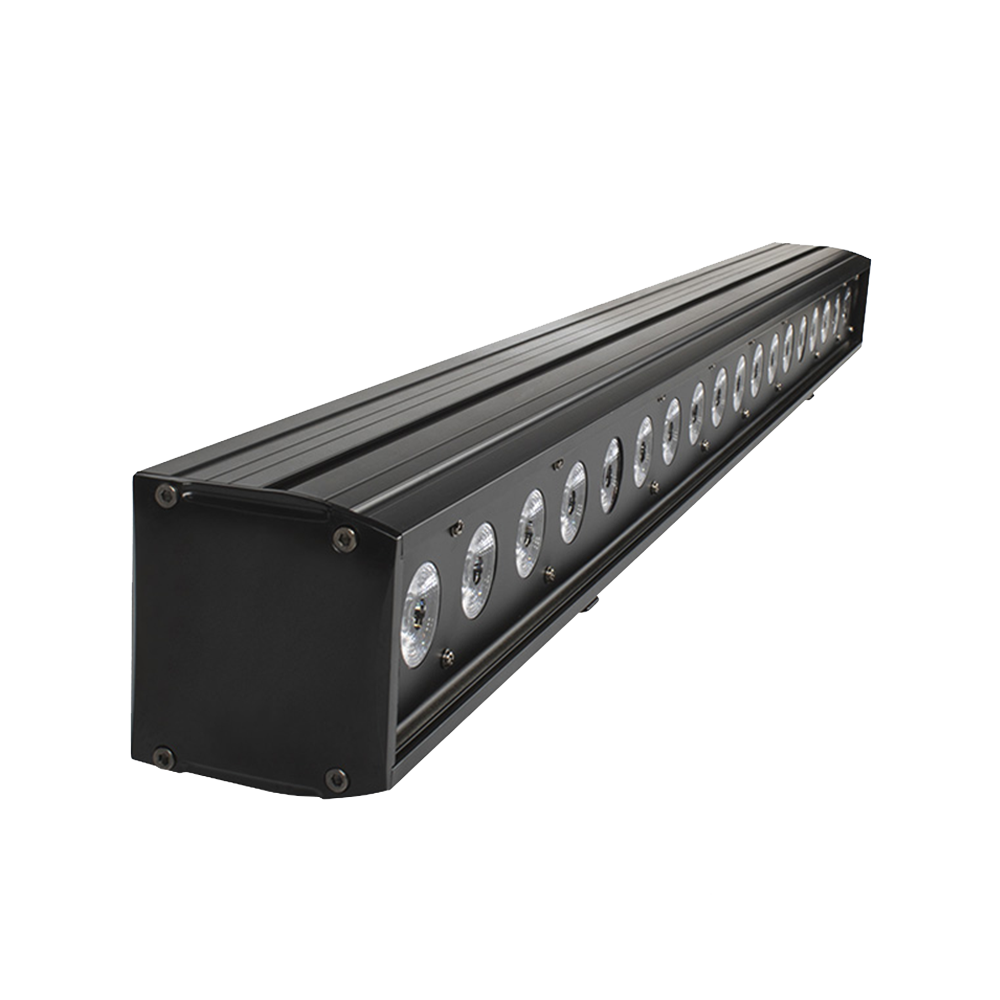
What Makes Stage Light Bars Different? Stage light bars are linear LED...
-

What Are the Three Types of Spotlights? The three most common types...
-
What Is Stage Wash Lighting? Stage wash lighting spreads light evenly across...
-

O que é um controlador DMX? Um controlador DMX (Digital Multiplex Controller)...


Stage Lighting Solutions for Every Venue


Let customers speak for us

For the price these lights are amazing! Very bright and cut through the lightest haze with ease making your stage lighting pop. I use them for my bands backing lights that are synced with our tracks. I have had them for over 6 months, no issues so far. Starting the lights up, they are a little loud and may worry you at first that something is wrong, but worry not! I am looking to buy 2 more for my bands back lighting!

I purchased the 36x18w Flight case and it arrived quickly! I like the new design with the honeycomb texture and the all black side rails and bumper. The wheels are great and quiet and have a break on two of the tires. You can also stack them!

After four busy years, the SHEHDS 19×14 Wash/Zoom has illuminated roughly 90% of my wedding gigs—and it keeps stealing the show. At this price it punches far above its weight, bathing proms, clubs, and receptions in rich, even color. The motorized zoom pivots effortlessly from a tight entrance spotlight to a wide wash that fills the entire ballroom for the first dance. Stellar coverage, pro-grade performance, no sticker shock—highly recommended.
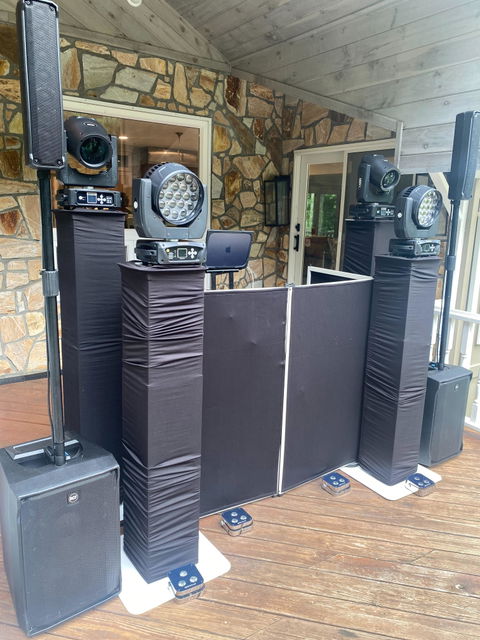
After three busy wedding seasons, the SHEHDS 230 7R Beam remains the workhorse of my lighting rig. Its razor-sharp beam and vibrant colors ignite the dance floor in seconds, and when I sync it through DMX software, the movement is pin-point precise—even in a haze-filled ballroom. I paired mine with the protective road case, which has already saved the fixture from more than one rough transport. If you want professional-grade output without the pro-grade price tag, this light delivers—indoors, outdoors, anywhere the party goes. Highly recommended!

Shehds 275W 10R Moving Lights
We used two of these at our last two shows and they are awesome lights! Very well built, easy to use and very bright! The Gobos are very cool looking and they were easy to program into our light show! We have paired them with the Shehds 19x15W MH and the Shehds 18x18W Par lights and they create a really cool look for the band. Would very much recommend these lights!

The light is very well made. Great color and very bright. Great price point. We do stage production. Great wash light.

Great rbg and white strobe! 1000w and its really bright! Has tons of functionality and features built in, the locking mechanism so the head doesnt tilt around is great for transportation. Hell and its waterproof at this price point? Its a must buy for sure! Highly recommend for bigger productions.
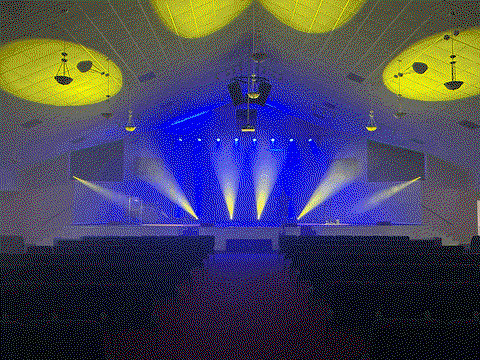
We installed 8 of these for permanent down stage lighting at our Church. They are great! THe
For the money it is a very good light that i definitely can recommend to anyone. Ofcourse you can find other materials but then you also have to pay much more money. I can recommend this to everyone and it is also very fast delivery 👌

I love these lights the most surprising thing is the contracture and solids it is very strong the lighting is perfect 100% recommended

Hi,your devices are almost here, I was a little late with the customs payment, so they are not here yet, but they will arrive in a few days.

Really pleased with the quality. I had a minor issue and customer services eas very responsive.
If you’re looking for great wash coverage….. this is the light for you.

Great lights. Thanks!

I purchased 4 of the JMS Webb wash & zoom small bee eye 7X40 RGBW moving head lights for the back of our stage at our church to highlight the drummer, bass and electric guitar players. They work fantastic! We are abel to zoom in or out and change colors to match the background graphics. You can't go wrong with these lights, they work great, are very reasonably priced and you even get free and fast shipping. We received the lights 4 days after ordering them.

What are the common LED stage light types?
LED stage lights usually fall into a few core categories:
- PAR LED stage lights for washes,
- LED moving heads for dynamic beams,
- LED bars for scenic color,
- LED Fresnels and ellipsoidals for focused theater lighting,
- LED strobes for impact,
- LED laser lights for stunning visual effects.
What's the difference between beam, spot, and wash lights?
These are the three core fixture types in any stage rig:
Beam lights:shoot a tight, pencil-thin shaft of light into the air — not to illuminate surfaces, but to create aerial effects. Pair with a hazer and beams become visible mid-air. Best for DJs, clubs, EDM events & touring stages.
Spot lights:project a defined shape — gobos, logos, or patterns — onto a surface. Think theater follow-spots, concert lighting, or a custom gobo with a couple's initials at a wedding. Most SHEHDS hybrid moving heads switch between beam and spot mode in the same show.
Wash lights:flood a wide area with smooth, even color — no hard edges. Makes a church stage glow or turns a plain backdrop deep purple. The most forgiving fixture for beginners.
Quick rule of thumb: start with wash lights if it's your first rig, then add beams once you have the basics down.
How much do stage lights cost?
Stage lights at SHEHDS range from $30 to $900+ depending on fixture type:
• LED PAR lights — from $30 each. Color wash & uplighting, beginner-friendly.
• LED beam moving heads — from $112 each. Aerial beam effects for DJ gigs & events.
• LED wash moving heads — from $130 each. Smooth color coverage across stage & backdrop.
• Discharge beam 7R (230W) — from $321 each. Sharp pencil beams for concerts & touring.
• Discharge beam 10R / 14R / 17R — from $374 each. Brighter output, prism effects, clubs & touring.
Name-brand equivalents (Martin, Robe) cost $1,500–$2,000 per fixture for the same output. A starter rig for a mobile DJ or church stage typically runs $500–$1,500 total — most pros run 4–6 fixtures and build over time.
How many stage lights do I need for my setup?
It depends on your venue size and event type — but here are practical starting points:
• Mobile DJ rig: 4–6 moving heads is the sweet spot. Most pros pair 2–4 beam lights for aerial effects with 2 wash lights to cover the dance floor with color.
• Church or small stage: Start with 4–6 LED PAR lights for general wash, then add 2 moving heads for dynamic effects during worship.
• Wedding or event venue: 4–6 LED PAR uplights around the room plus 2–4 moving heads on stage covers most setups.
• Clubs & touring stages: 8–12+ fixtures — a mix of beam, spot, and wash — all DMX-chained for full control.
You don't need to buy everything at once. Most professionals start with wash lights or PAR lights (forgiving, flexible) and add beam moving heads once the basics are covered.
What is DMX control and do I need it for stage lighting?
DMX512 is the industry-standard protocol that lets you control multiple stage lights from a single controller or software — adjusting color, movement, brightness, and effects in sync.
Do you need it? It depends on how you work:
• Sound-activated mode: lights respond automatically to music beats. No controller needed — great for beginners and small events.
• Master-slave mode: one light leads, the rest follow. Simple setup, no extra hardware.
• DMX mode: full manual or programmed control via a DMX controller or software. Best for concerts, touring, and church productions where you want precise cues.
All SHEHDS stage lights support all three modes. They also feature DMX in and out ports, so you can daisy-chain multiple fixtures with a single cable run — no need for a separate DMX splitter on smaller rigs.
What LED stage light colors stand out on stage?
To make people stand out on a stage, warm colors (reds, oranges, ambers) from LED stage lights should be major tones. They bring energy and passion. They pull the audience in, making large venues feel intimate.
To make a mysterious vibe, cool colors (blues, purples, greens) from LED stage lights are ideal. They create depth, and make a small stage feel infinite.
Do SHEHDS stage lights come with a warranty?
Yes — all SHEHDS stage lights come with a 2-year warranty.
We also stock inventory in US and EU warehouses, so most orders ship within 1–3 business days without waiting weeks for overseas delivery.