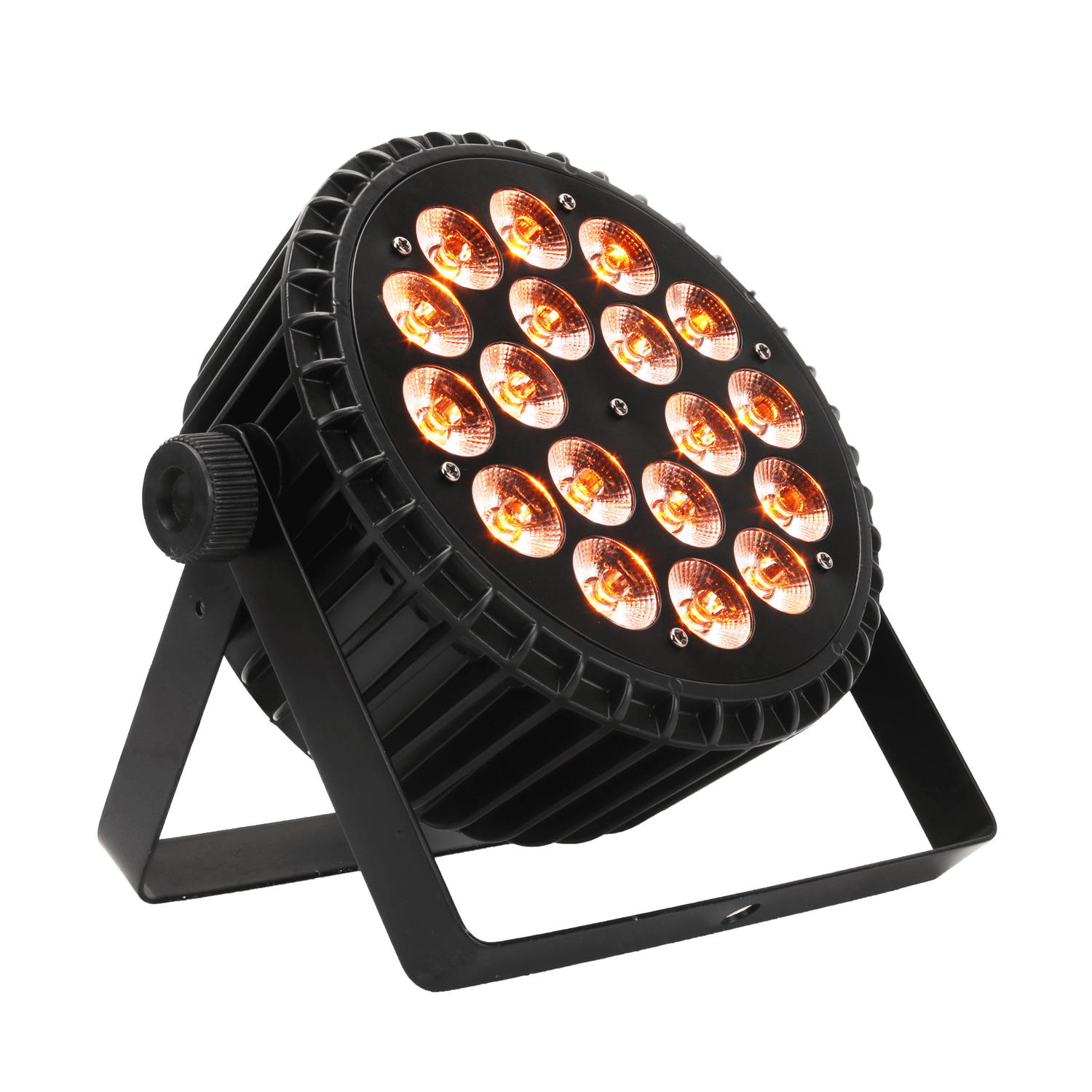



RGB LED stage lights work by mixing red, green, and blue light to create millions of colors. They use PWM (Pulse-Width Modulation) to control brightness and DMX signals to follow commands for color, patterns, and effects. This allows stage designers to create dynamic lighting for concerts, theater, and events.
This article explains how RGB LED stage lights operate via color mixing, PWM brightness control, and DMX commands. You will discover important parts like LED chips, lenses, drivers, and cooling systems. It also explains how to use them on stage, their benefits, and common limits to help you design better lighting.
How Do RGB LED Lights Work?
RGB LED stage lights work by mixing red, green, and blue light to create many different colors. They control brightness using a method called PWM and get instructions from a DMX controller to change colors, patterns, and effects on stage.

Additive RGB Color Mixing
RGB lights use three colors: red, green, and blue. By adjusting how bright each color is, they can make almost any color. For example, mixing red and green makes yellow, while mixing all three makes white. This is called additive color mixing.
PWM (Pulse-Width Modulation) Brightness Control
PWM controls how bright each LED is by turning it on and off very fast. Your eyes can’t see the flicker, but it makes the light look dimmer or brighter. PMW control lets stage designers get the exact brightness they want for different moods.
DMX Control
DMX is a system that sends instructions to each light. Each light has an address, and the controller tells it what color, pattern, or movement to use. This helps you make coordinated light shows with many lights.
Read our guide on how to use a DMX light controller to get started.
| Feature | How It Works | Why It Matters |
| Additive RGB Color Mixing | Red, green, and blue LEDs combine in different amounts to make all colors. | Lets you create any color you want on stage. |
| PWM Brightness Control | LED flashes very fast to change brightness without changing color. | Makes dimming smooth and lets you control light intensity. |
| DMX Control | Lights get instructions from a controller using unique addresses. | Helps coordinate many lights at once for patterns, colors, and movement. |
What Are the Core Components of RGB LED Stage Lights?
RGB LED stage lights may look simple from the outside, but they have several important parts that work together to create bright and colorful effects on stage.
Knowing these components helps you understand why some lights are stronger or easier to control.

RGB LED Chips (3-in-1 vs Multi-Die Packages)
The LED chips are the heart of the light. A 3-in-1 chip has red, green, and blue in one small unit, while multi-die packages have separate LEDs for each color. 3-in-1 chips mix colors in a compact space, while multi-die chips provide stronger beams and higher brightness.
Optical System: Lenses, Reflectors, Beam Angles
The optical system shapes the light. Lenses focus it, reflectors make it brighter, and beam angles decide how wide or narrow the light spreads. These parts let you create spots, washes, or beams that reach the audience effectively.
LED Drivers and Power Supply
LED drivers control how much electricity goes to the LEDs. They make sure the lights work at the right brightness and avoid damage. The power supply delivers energy safely to all the components.
Cooling System (Active vs Passive)
Lights get hot, especially high-power RGB LEDs. Active cooling uses fans to remove heat, while passive cooling uses metal fins to absorb it. This helps lights last longer and perform well during long shows.
DMX/RDM Control Board
The DMX or RDM board is the “brain” of the light. It receives commands from a controller and tells each LED what color, brightness, or movement to use. It allows you to control many lights together for patterns, fades, or moving beams.
For RGB shows, we recommend the SHEHDS 3000mW RGB / RGB 3in1 DMX Scanner Moving Head Laser Light. Its red, green, and blue LEDs mix colors beautifully and work perfectly with DMX controllers for stage, DJ, or concert lighting.
How to Use RGB LED Lights on Stage
RGB LED lights make your stage lively and let you show different colors and brightness. You can highlight performers, create effects, and keep the audience interested.

Planning Your Stage Setup
Before turning on your lights, decide where each light will go. Lights at different heights or angles cover the stage evenly and add depth. Think about where performers will move so you can avoid shadows.
Connecting and Controlling Lights
Stage lights use DMX signals to receive commands. Connect each light to the controller so you can change colors, brightness, and movement during the show. Label each fixture to make adjustments faster and easier.
Choosing Colors and Effects
RGB LED lights can mix red, green, and blue to make many colors. Use these lights to match the scene, focus on performers, or highlight props. The following tips can help you plan effects:
-
RGB Colors Set The Scene: Pick warmer colors for calm or emotional moments, and cooler colors for energetic or modern parts of the show.
-
RGB Patterns Create Movement: Program lights to fade, strobe, or move to make the stage more interesting.
Adjusting Brightness and Light Movement
Before using special effects, check brightness for each scene. Some parts may need soft light for focus, while others need bright light to grab attention.
-
Adjust Brightness For Scenes: Use lower brightness for quiet or small scenes and higher brightness for exciting moments.
- Control Movement To Guide Focus: Move lights to follow performers or show different parts of the stage.
Proper setup and control of RGB LED lights make your stage look professional and exciting while keeping the audience’s attention on what matters most
What Are the Benefits of RGB LED Stage Lighting?
RGB LED stage lights are popular because they make your stage look colorful and professional. They give you a lot of control over colors, brightness, and effects without needing big, heavy lights.
Bright and Colorful Shows
RGB LEDs can create millions of colors by mixing red, green, and blue light. This means you can make any color you want on stage, from soft pastels to strong, bright shades. Performances feel more exciting and lively with these lights.
Energy-Efficient and Long-Lasting
LEDs use less electricity than old-style stage lights. They stay cool and last a long time, which helps save money on power and replacement bulbs.
Quick and Flexible Control
Using DMX or RGB controllers, you can change colors, patterns, and brightness instantly. You can match the lighting with music, drama scenes, or audience moods. It gives shows a professional feel without much extra work.
Compact and Lightweight
Most RGB LED lights are smaller and lighter than traditional lights. This makes it easier to move them around the stage or set up for outdoor shows. You can also pack more lights in a small space for bigger effects.
What Are the Common Limitations of RGB LEDs?
RGB LED stage lights are great, but they have some limits you should know.
1. Color Accuracy Can Vary: Sometimes, the colors from RGB LEDs are not exactly the same as what you see on a screen or in real life. This can be a problem if you need very precise colors for recordings or photos.
2. Limited Brightness for Large Venues: For very big stages or outdoor shows, some RGB LEDs might not be bright enough on their own. You may need extra lights to cover the space properly.
3. Mixing Complex Colors Can Be Tricky: While RGB LEDs can create many colors, mixing certain shades perfectly takes careful setup. It can take time to get the exact color you want for a scene.
4. Heat and Lifespan Issues: Even though LEDs are cooler than traditional lights, high-power RGB LEDs can still produce heat. Without proper cooling, their lifespan can be shortened.
If you use SHEHDS RGB LED lights, you won’t have to face most of these common issues thanks to the excellent design and cooling system.
Conclusion
RGB LED stage lights make any show colorful and exciting. When you know how they work, how to set them up, and what parts matter, your stage lighting becomes much easier to handle.
While all lights have some limits, using SHEHDS lights means you can avoid most common problems and get bright, clear colors every time.
Check out our new arrivals to see the latest RGB LED stage lights and make your shows shine.
FAQs
What are the disadvantages of RGB?
RGB LEDs can sometimes show less bright white light and may not cover every color perfectly. They also need careful setup to avoid flickering or color mismatch.
How to use RGB LED lights for my stage?
Place lights where you want color effects, connect them to a DMX controller, and adjust the colors and brightness for your show.
Can RGB LEDs work outdoors?
Yes, but you need outdoor-rated lights that can handle rain, wind, and heat to keep them safe.
Do RGB LEDs use a lot of power?
Not really. RGB LEDs are energy-efficient and use less power than traditional stage lights while giving bright colors.


