

-
HOT- 13%

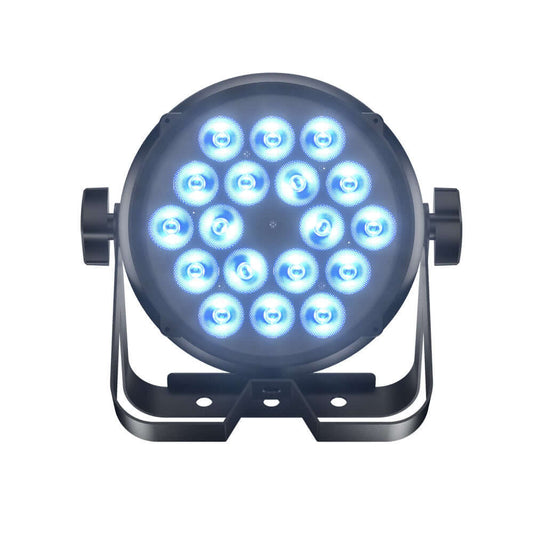
CORALPAR Waterproof 18x12W LED Flat Par Light RGBWA+UV Alu..
3133Lux/10m | 45°Beam Angle | IP65
CORALPAR Waterproof 18x12W LED Flat Par Light RG..3133Lux/10m | 45°Beam Angle | IP65
Regular price $160.95 USDRegular priceUnit price per$185.00 USDSale price$ 160.95Sale -
BEST SELLER- 13%

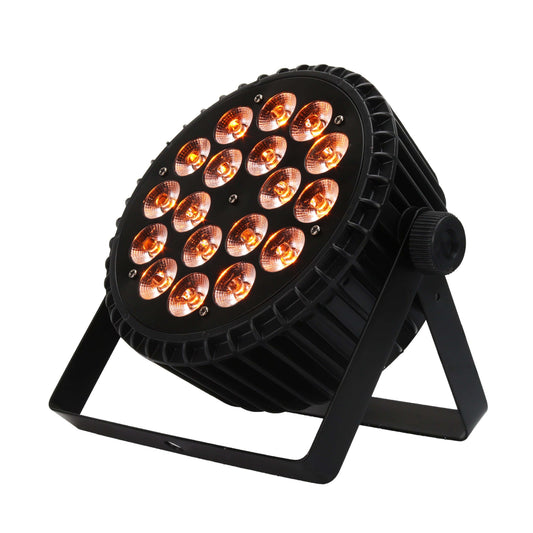
SHEHDS 18x18W Aluminum Alloy LED Flat Par DMX512 DJ Par Ca..
40° | 6in1 LEDs | Durable Housing
SHEHDS 18x18W Aluminum Alloy LED Flat Par DMX512..40° | 6in1 LEDs | Durable Housing
Regular price $86.13 USDRegular priceUnit price per$99.00 USDSale price$ 86.13Sale -
TRENDING- 13%

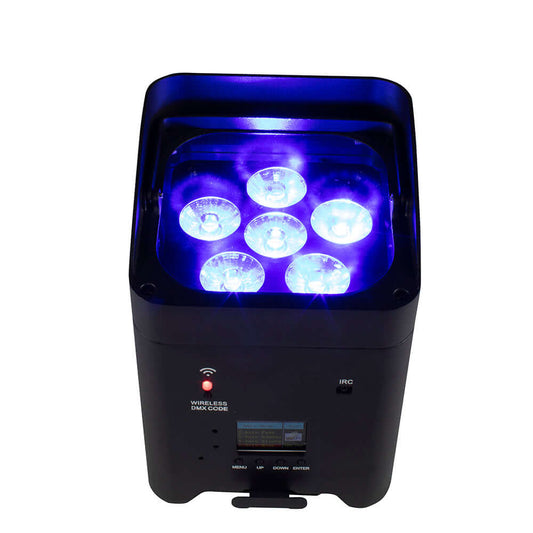
SHEHDS Wireless Battery LED Uplight Par Light 6x18W 6in1 R..
App Control | 40°Beam Angle | Wireless
SHEHDS Wireless Battery LED Uplight Par Light 6x..App Control | 40°Beam Angle | Wireless
Regular price $139.20 USDRegular priceUnit price per$160.00 USDSale price$ 139.20Sale -
Trending- 13%
SHEHDS 7x18W LED Par Light Silent Slim RGBWA+UV Stage Ligh..
Portable | Flash Rate 0-10HZ | Color Mixing
SHEHDS 7x18W LED Par Light Silent Slim RGBWA+UV ..Portable | Flash Rate 0-10HZ | Color Mixing
Regular price $47.85 USDRegular priceUnit price per$55.00 USDSale price$ 47.85Sale -
- 13%
SHEHDS New Version LED Zoom & Wash Par 18x18W RGBWA UV..
6in1 Color Mixing | Beam Angle 23°-49° | 128 Lux / 10m
SHEHDS New Version LED Zoom & Wash Par 18x18..6in1 Color Mixing | Beam Angle 23°-49° | 128 Lux / 10m
Regular price $139.20 USDRegular priceUnit price per$160.00 USDSale price$ 139.20Sale -
- 13%
SHEHDS New Version LED 18x18W RGBWA+UV 6in1 Par Light Big ..
6in1 LEDs | Beam Angle 46.7° | Overheat Protection
SHEHDS New Version LED 18x18W RGBWA+UV 6in1 Par ..6in1 LEDs | Beam Angle 46.7° | Overheat Protection
Regular price $112.23 USDRegular priceUnit price per$129.00 USDSale price$ 112.23Sale -
- 13%
SHEHDS IP65 Waterproof LED Zoom Par Light 18x18W 6in1 RGBW..
IP65 | 15°-30° | Zero Noise
SHEHDS IP65 Waterproof LED Zoom Par Light 18x18W..IP65 | 15°-30° | Zero Noise
Regular price $268.83 USDRegular priceUnit price per$309.00 USDSale price$ 268.83Sale -
- 13%
SHEHDS LED Zoom Par 18x18W RGBWA+UV Light
Zoom | RDM | 15°-45°
SHEHDS LED Zoom Par 18x18W RGBWA+UV LightZoom | RDM | 15°-45°
Regular price $113.10 USDRegular priceUnit price per$130.00 USDSale price$ 113.10Sale -
- 13%
SHEHDS Big Aluminum Alloy 18x12W RGBW / 18x18W RGBWA+UV 6i..
Color Mixing | Aluminum Housing | DMX512
SHEHDS Big Aluminum Alloy 18x12W RGBW / 18x18W R..Color Mixing | Aluminum Housing | DMX512
Regular price $73.95 USDRegular priceUnit price per$85.00 USDSale price$ 73.95Sale -
- 13%
CORALPAR Waterproof LED COB 200W Cool White & Warm Whi..
IP65 | 4824 Lux / 10m | 2700K~6500K
CORALPAR Waterproof LED COB 200W Cool White &..IP65 | 4824 Lux / 10m | 2700K~6500K
Regular price $152.25 USDRegular priceUnit price per$175.00 USDSale price$ 152.25Sale -
- 13%

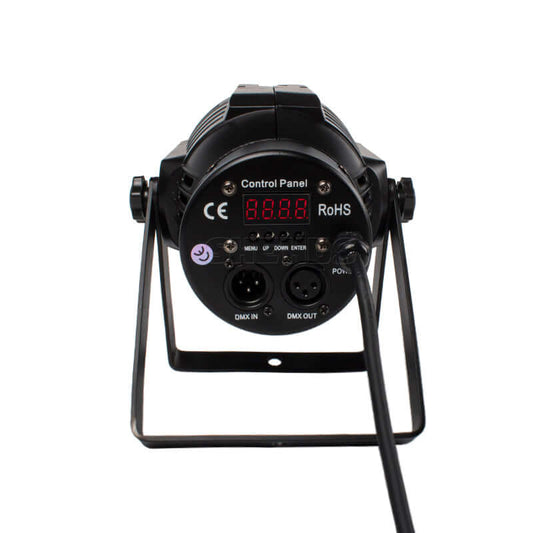
SHEHDS 7x18W Mini LED Par Light 6in1 RGBWA+UV Aluminum Alloy
Aluminum Housing | DMX512 | 6in1 LEDs
SHEHDS 7x18W Mini LED Par Light 6in1 RGBWA+UV Al..Aluminum Housing | DMX512 | 6in1 LEDs
Regular price $47.85 USDRegular priceUnit price per$55.00 USDSale price$ 47.85Sale -
- 13%

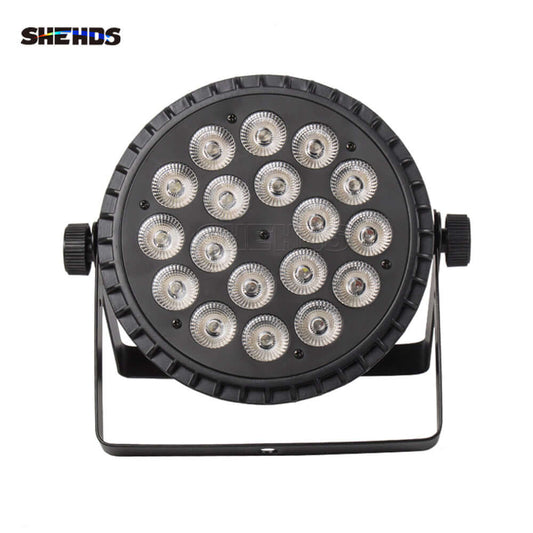
SHEHDS Aluminum Alloy 18x12W LED Flat Par RGBW 4in1 DMX512
RGBW | Aluminum Alloy Body | DMX512
SHEHDS Aluminum Alloy 18x12W LED Flat Par RGBW 4..RGBW | Aluminum Alloy Body | DMX512
Regular price $73.95 USDRegular priceUnit price per$85.00 USDSale price$ 73.95Sale -
- 13%

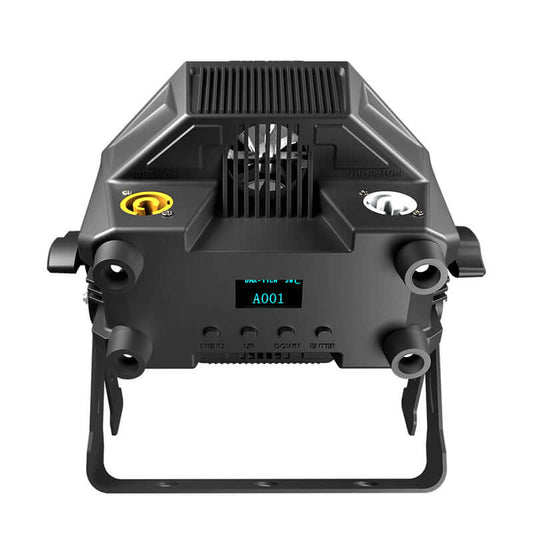
GlamoPar LED Lighting 7x12W RGBWA+UV&RGBLAC Color Mixi..
Beam angle 23° | Portable | Low Noise
GlamoPar LED Lighting 7x12W RGBWA+UV&RGBLAC ..Beam angle 23° | Portable | Low Noise
Regular price $65.25 USDRegular priceUnit price per$75.00 USDSale price$ 65.25Sale -
- 13%

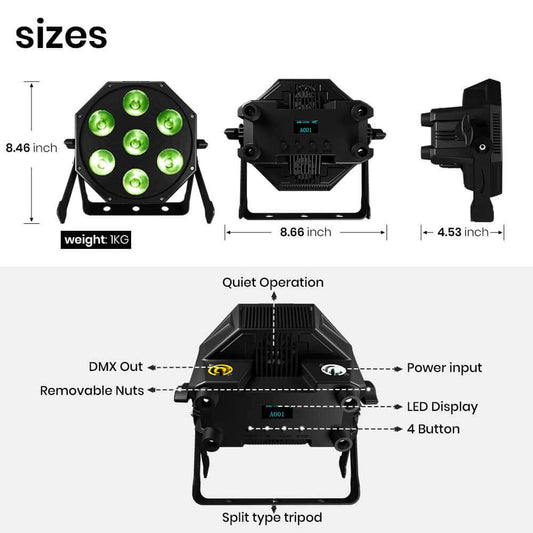
GlamoPar LED Light Series 5x12W / 7x12W 6in1 Color Mixing ..
Portable | Flexible | 23°Beam Angle
GlamoPar LED Light Series 5x12W / 7x12W 6in1 Col..Portable | Flexible | 23°Beam Angle
Regular price $65.25 USDRegular priceUnit price per$75.00 USDSale price$ 65.25Sale -
- 13%

SHEHDS 7x12w RGBW LED Par Light for Church, Wedding
Portable | Flash rate 0-10HZ | Color Mixing
SHEHDS 7x12w RGBW LED Par Light for Church, Wedd..Portable | Flash rate 0-10HZ | Color Mixing
Regular price $30.45 USDRegular priceUnit price per$35.00 USDSale price$ 30.45Sale -
- 35%
Big Sale SHEHDS Big Aluminum Alloy 18x12W RGBW / 18x18W RG..
Color Mixing | Aluminum Housing | DMX512
Big Sale SHEHDS Big Aluminum Alloy 18x12W RGBW /..Color Mixing | Aluminum Housing | DMX512
Regular price $73.95 USDRegular priceUnit price per$85.00 USDSale price$ 73.95Sale


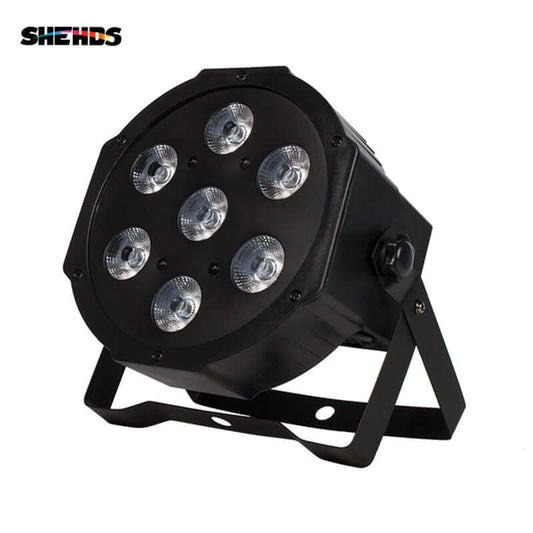

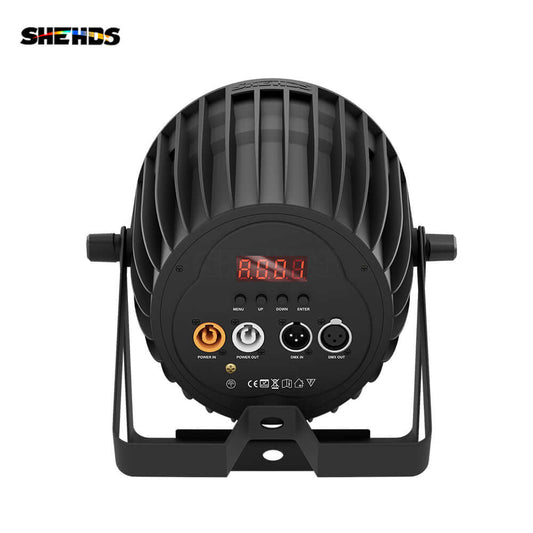

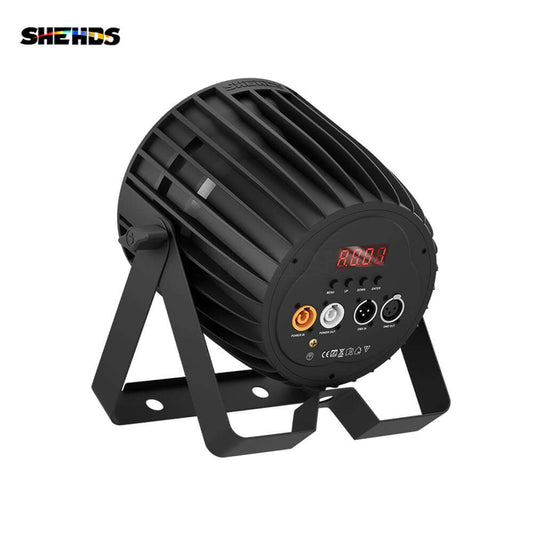

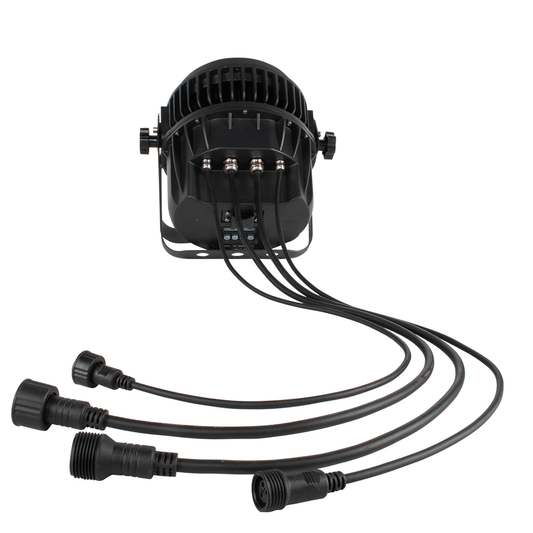

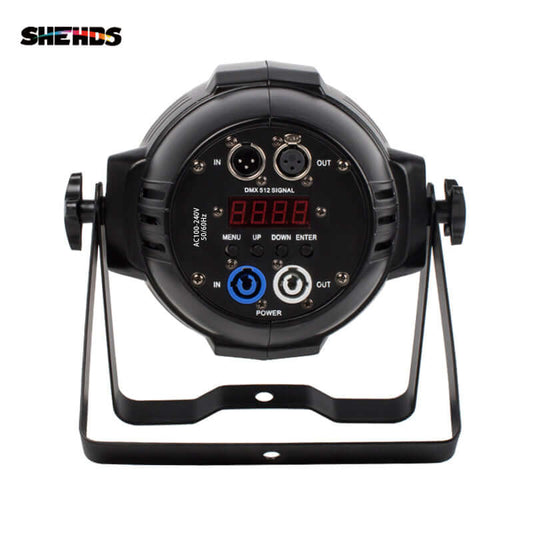

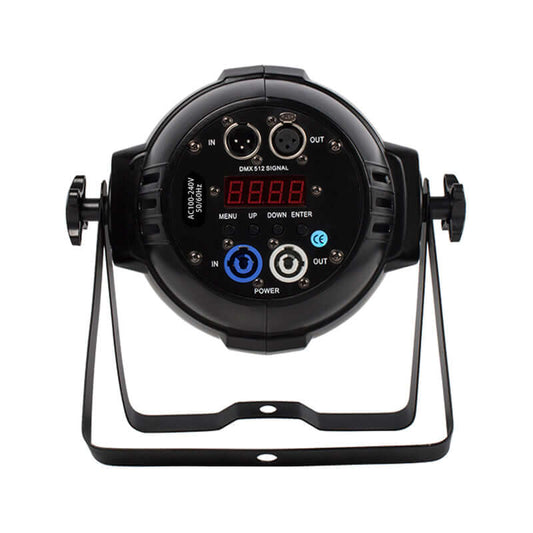

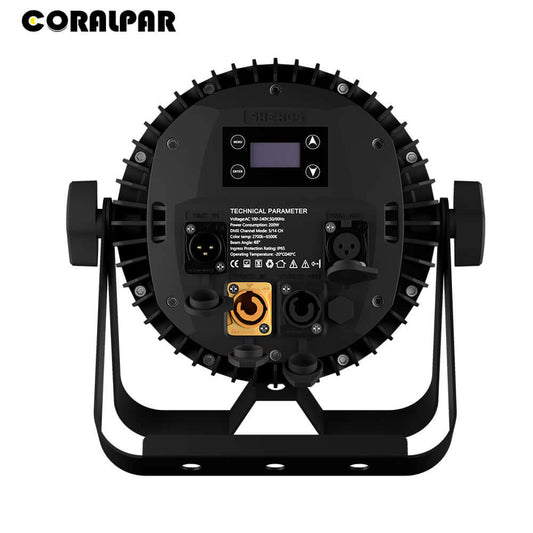


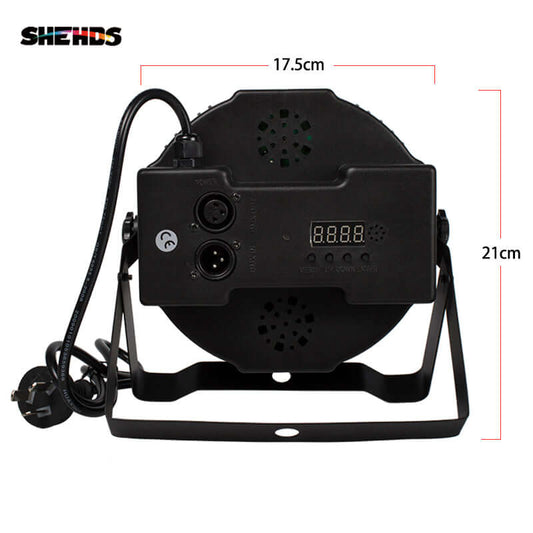
Looking for aluminum-housed par lights built for the demands of touring, live events, and permanent installs? This collection focuses on aluminum alloy par can lights and LED flat par fixtures — built heavier, cooler-running, and more durable than standard plastic-body par lights.
For the full range of including plastic-body and compact models, see our main PAR collection.
Why Aluminum Alloy Makes a Difference?
Every fixture in this collection features a solid aluminum alloy housing. Why does that matter for par lights?
- Superior heat dissipation: Aluminum draws heat away from LEDs faster than plastic, extending LED lifespan and maintaining consistent brightness over long shows.
- Built for transport: Aluminum bodies survive repeated loading, flight-casing, and daily rigging — plastic housings crack under the same conditions.
- Professional aesthetic: Clean, rugged, matte finish — standard for touring and installed systems.
- Lightweight yet strong: Easier for mobile DJs, installers, and stage crews to handle than steel-body alternatives.
How to Choose the Right Aluminum Par Light
LED Count & Color Configuration
- 7-LED models (7×12W / 7×18W): compact, lightweight, ideal for mobile DJ rigs and small stage uplighting.
- 18-LED models (18×12W / 18×18W): higher output, wider coverage, suited for larger stage fills and event perimeter lighting.
- RGBW (4-in-1): clean color mixing for most stage and event applications.
- RGBWA+UV (6-in-1): adds amber for warmer skin tones and UV for glow effects.
- COB White: high-lumen single-color output for theatrical and architectural applications.
Zoom & Beam Angle
Fixed beam models (40°–47°): broad wash for stage fill and uplighting.
Zoom models (15°–45°): motorized beam control via DMX — useful when one fixture needs to serve multiple throw distances.
Control Mode
- DMX512: full channel-by-channel programming for consoles, SoundSwitch, and show control.
- Standalone / sound-active: built-in modes for controller-free use at smaller events.
- Wireless / app control: select models support WiFi app control and battery operation for cordless placement.
Waterproofing
- IP65 models: rated for outdoor events, festival stages, and all-weather installations.
- Non-rated models: for indoor stage, studio, and fixed venue use.
For outdoor-rated fixtures across all categories, see our .
Where Are Aluminum Par Lights Used?
- Live concerts: Intense stage wash, strobe effects, and precision backlighting. Aluminum housings stand up to the heat of long show runs.
- Churches and houses of worship: Soft ambient tones for services or dramatic color transitions for performances. Silent fanless models required.
- DJ rigs and nightclubs: Beat-synced DMX lighting, strobe effects, and color mixing. Compact 7-LED models fit smaller truss setups.
- Outdoor events and festivals: IP65-rated aluminum par lights handle rain, dust, and direct sun — standard plastic housings cannot.
- Theatrical stages: Smooth dimming curves, precise color control, and reliable rigging across long production runs.
- Wedding and event uplighting: Wireless battery models allow cordless floor placement without cable runs — ideal for venue uplighting around pillars and walls.
Why Choose SHEHDS Par Can Lights?
- 2-year warranty: Every fixture covered for parts and support — not just a 30-day return window.
- US & EU warehouse stock: Ships domestically. No customs delays, no overseas lead time.
- Aluminum alloy on every model: Not just the premium range — all fixtures in this collection use aluminum housings as standard.
- RGBWA+UV as the professional baseline: Amber and UV channels included across most models — not locked to higher-priced SKUs.
- Wireless battery models available: The SHEHDS wireless uplight par runs on internal battery with WiFi app control — cordless placement, no cable runs required.
- Trusted by DJs, churches, and touring crews worldwide: "The build quality rivals fixtures that cost three or four times as much." — Steely Dane, professional lighting designer.
Explore the complete range of including beam movers, spotlights, and wash lights from the SHEHDS lineup.