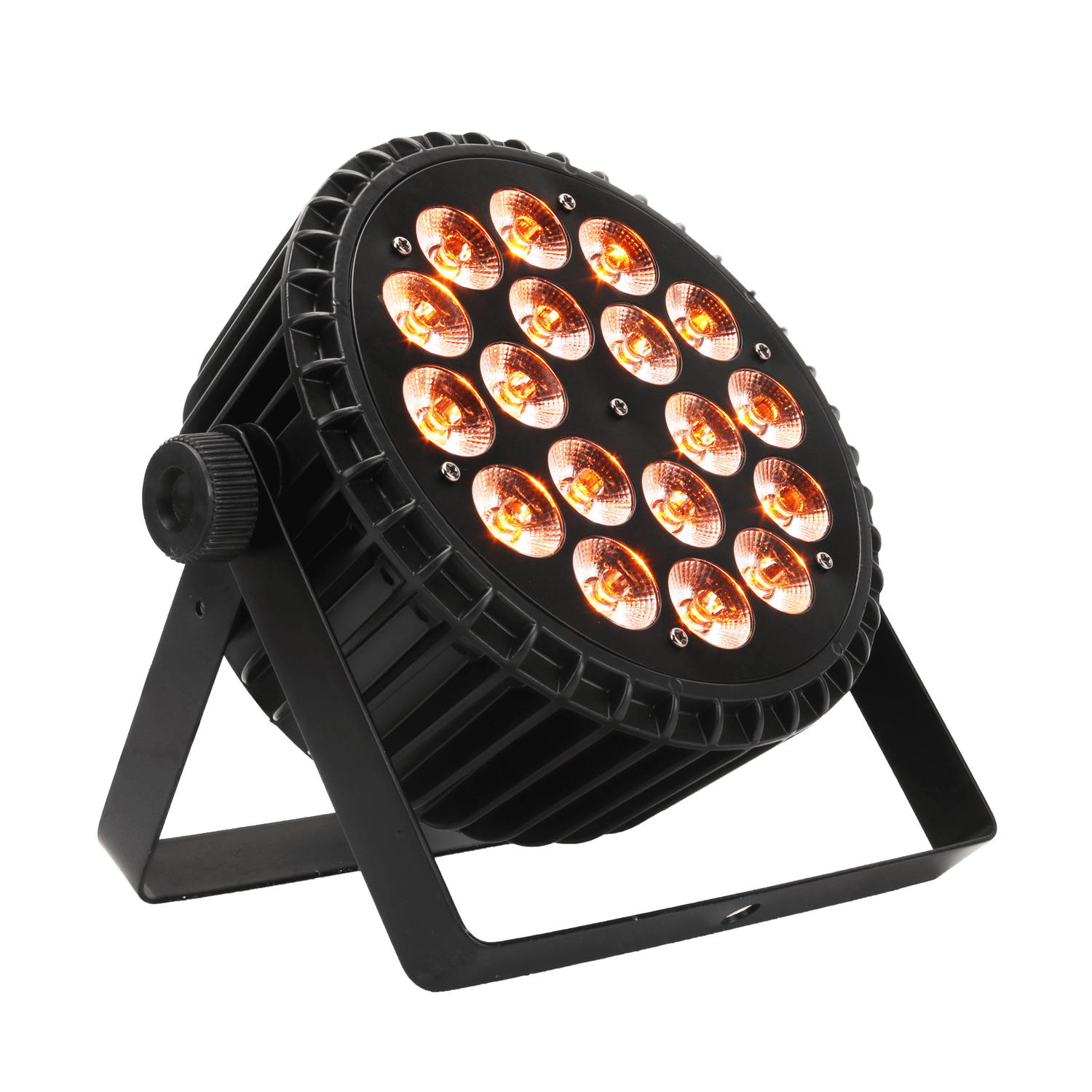



Color can change the whole mood of a stage in just a moment, turning a simple scene into something bold and exciting. Many shows create these color effects with RGB vs RGBIC LED lights, and each type works in its own way. The way they produce color can completely shape how a stage looks and behaves during a show.
In this article, we explain the differences between RGB vs RGBIC LED lights and how each one works in stage lighting.
What Are RGB Lights?
RGB lights are stage lights that use three basic colors: red, green, and blue. The whole light shows the same color at the same time, so the look stays clear and even. People use RGB lights when they want simple colors without moving patterns.
RGB lights change color by making the red, green, and blue LEDs brighter or softer. When the colors mix, they create new colors like purple, yellow, or pink. All LEDs change together, so the light always shows one color.
Example: The SHEHDS 3000mW RGB / RGB 3-in-1 DMX Scanner Moving Head Laser Light uses RGB color mixing. It makes bright, clean colors and can move around the stage to create simple light effects. This light helps you add strong color on stage without needing complex designs.

What Are RGBIC Lights?
RGBIC lights use red, green, blue, and a small chip that controls different parts of the light.
One part can be blue, another part can be red, and another part can be green. Stage crews use RGBIC lights when they want color patterns that move across the stage.
The chip inside the light tells each section what color to show. Some parts can change fast, and others can change slowly. This makes the colors move across the light in a calm or active way.
| Feature | RGB Lights | RBIC Lights |
| Color Style | Shows one color across the whole light | Shows many colors at the same time |
| Level of Detail | Simple color looks | Complex moving patterns |
| Color Action | Slow or soft color changes | Fast, active color motion |
| Light Control | One brightness for the whole light | Different brightness levels in small sections |
| Overall Look | Calm and clear | Bright, busy, and full of motion |
| Best Use Case | Slow songs, simple scenes, basic color needs | DJ shows, dance acts, scenes with strong energy |
RGB vs RGBIC LED Lights: What Is the Main Difference?
RGB vs RGBIC LED lights may look alike at first, but they behave very differently on stage. These differences matter when you try to choose the best colors for stage lighting, because each type creates a different kind of look.

1. How Many Colors Can They Show
RGB lights show only one color across the whole light at one time. Everything turns red, blue, green, or a mixed color.
RGBIC lights can show many colors at once. The chip inside the light controls each section, so one part can glow blue while another part glows red or green. This helps when you want patterns that move across the stage.
2. How Much Detail Do They Create
RGB lights create simple colors. They switch colors in clear steps, which fits calm scenes.
A study in the International Journal of Photoenergy shows that RGB LEDs can mix many colors when the red, green, and blue LEDs work together, and this gives many choices for stage looks.
RGBIC lights create detailed patterns. Each section can move through colors on its own, so the light can make waves, lines, or soft color trails.
3. How They Move During the Show
RGB lights change colors in a calm and simple way. They fade or switch from one color to another, which helps when the scene needs a soft look.
RGBIC lights move much more. Their colors can run across the light like waves, flash quickly, or shift in patterns. For example, an RGBIC strip can send moving rainbow lines behind a DJ during a high-energy song.
4. How They Look to the Audience
RGB lights give the stage a simple, solid look. The audience sees one strong color, which helps set a clear mood.
RGBIC lights grab attention with color movement. The audience sees shifting patterns that make the stage feel more fun and full of action.
Do RGB and RGBIC Mix Well Together?
RGB and RGBIC lights can work together, but only if you use each one in the right way. There are different types of stage lights, so they add different colors and styles to the show.

Using Them Together
You can mix both lights to make a stronger color show. RGB lights give one big color that stays the same across the whole light. RGBIC lights make many moving colors at the same time. When both lights shine together, you get a mix of calm color in the front and fun color motion in the background.
- RGB gives one strong color
- RGBIC adds color motion
- Together, they help the stage feel more exciting
Best Way to Mix Them
To make both lights work well, give each one a simple job. This keeps the colors clear and easy to understand.
- Use RGB lights on the main part of the stage
- Use RGBIC lights behind or around the sides
- Keep their colors different so the stage doesn’t look messy
Example
At a small concert, you can shine an RGB light on the guitar player to give one bright color that stays the same.
Behind them, an RGBIC light can move soft color waves across the backdrop. The guitar player is easy to see, while the moving colors make the stage feel more fun and full of energy.
Common Problems When Using RGB or RGBIC Lights
RGB and RGBIC lights can make a stage look bright and colorful, but small issues can appear when they are not used carefully. Issues like wrong mixed colors, strong lights, and quick patterns can distract the audience and make the colors look wrong.
Colors Mixing in the Wrong Way
Sometimes the colors from both lights do not blend well. RGB shows one color, while RGBIC shows many colors at once. When these colors don’t fit together, the stage can look confusing. Simple color tests help you see which colors look good side by side.
Lights Shining Too Strong
Both light types can shine very strongly, and this can make the performer’s face look too bright. When this happens, it becomes hard for the audience to see the person clearly. Lowering the brightness a little can make the colors look softer and more natural.
Patterns Moving Too Quickly
RGBIC lights can move colors fast. If the patterns move too quickly, the audience may find it hard to follow the action on stage. Slowing the color movement helps the stage feel calmer and easier to watch.
Lights Pointing in the Wrong Direction
If RGB and RGBIC lights point at different spots, parts of the stage can look uneven or dark. Checking the angle of each light before the show keeps the whole stage bright and easy to see.
How to Choose Between RGB vs RGBIC LED Lights for Your Stage
Choosing between RGB vs RGBIC LED lights can feel confusing at first, but it becomes simple when you think about what your stage needs. Each light type gives a different color style, so the right choice depends on the kind of show you want to create.

Think About the Mood
The mood of the show matters a lot. RGB lights work well when you want one clear color that fills the stage. RGBIC lights help when you want moving colors that make the scene feel full of action.
If your show needs calm colors, RGB works better. If it needs exciting color movement, RGBIC is the stronger choice.
Look at the Size of the Stage
Small stages work well with RGB lights because one simple color is easy to control. Bigger stages usually look better with RGBIC lights, because the moving colors fill more space and make the stage feel larger.
Choose Based on the Performer
Think about what the performer needs. Singers, speakers, and actors often need RGB lights so the audience can see them clearly. Dancers, DJs, and fast shows usually need RGBIC lights to match the high energy.
Test Before the Show
Trying both lights before the show helps you see which one fits your scene. A short test can show you the best mix for your stage.
Conclusion
RGB vs RGBIC LED lights each bring their own color style to the stage. When you understand what each one can do, it becomes easier to choose the right light for your show. You can check out our new lighting equipment arrivals and pick out the ones you need at a very affordable rate.
FAQs
Are RGB or RGBIC lights better for small stages?
RGB lights are usually better for small stages because they give one clear color that is easy to control. RGBIC lights can work too, but their moving colors might feel too busy in tiny spaces.
Do RGBIC lights use more power than RGB lights?
Not always. It depends on the model. RGBIC lights sometimes use a little more power because they control many color sections, but many modern lights are still energy-friendly.
Can I use RGB and RGBIC lights together on the same stage?
Yes, you can. Use RGB lights on the performer and RGBIC lights in the background. This keeps the person easy to see while the moving colors make the stage look fun and full of energy.


