


Small venues each need their own stage lighting approach because no two spaces are the same. Some have low ceilings, some have narrow stages, and some keep the crowd very close. These changes affect how light works in the room.
In this article, you will learn how to choose and place lights in a way that fits your small venue’s unique setup.
What Are the Best LED Stage Lights for a Small Stage?
The best LED lights for a small stage are LED PAR lights, mini wash lights, and LED bars.
These fixtures fit tight spaces and give you the coverage you need without a big setup. They help you get clear front light and a simple background glow that makes your stage look more balanced.
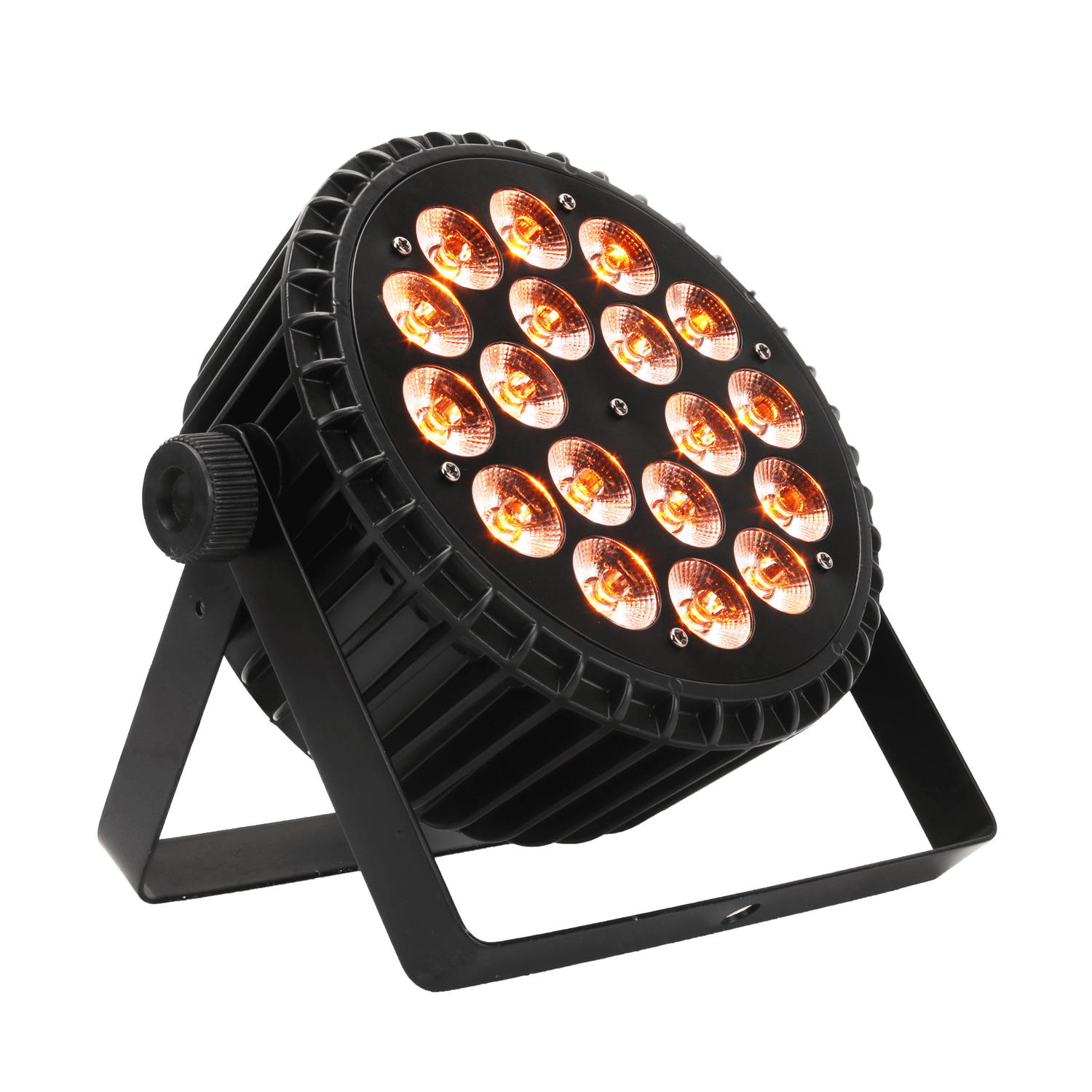
LED PAR Lights
LED PAR lights are the lights most small stages start with because they keep faces sharp and easy to see. They’re light, simple to mount, and strong enough to cover a short stage without creating harsh shadows.
Most PARs let you set brightness and pick basic colors, which helps when you need small changes for different songs or scenes. A setup of 2–4 PAR lights works for most small stages, and you can place them on stands or clamp them to a low beam.
Mini Wash Lights
Mini moving head wash lights bring soft color that spreads across the stage. They make a big difference in small rooms because the beams are wide, so they fill more space without needing many fixtures.
You can set them on each side of the stage or behind the performers to add a little depth. When you add a bit of haze, the colors stand out more and make the space look less flat. SHEHDS 37x15W RGBW Mini LED Wash Moving Head Light is a strong pick for small venues because it gives wide color coverage without taking much space.
LED Bars
LED bars are simple but helpful when you want a steady color behind the band. They sit along the back wall or under a riser and keep the background from looking empty.
Since they use little power, they’re an easy fit for cafés, small clubs, and rehearsal rooms. One bar can change the mood of the whole stage.
How to Select Stage Lighting According to Your Venue’s Size
Select your stage lighting by looking at the size of your room, the height of your ceiling, and how close the crowd stands to the stage. Every small venue feels different, so you need a setup that matches your exact space instead of using one fixed plan.

Check the Ceiling Height
Ceiling height controls the type of fixtures that will work in your venue. Low ceilings push beams at tough angles, so compact lights feel easier to manage.
When you place lights slightly above eye level, you keep shadows low and maintain clean visibility on faces. This matters a lot in small clubs, cafés, and rehearsal rooms where the crowd stands close to the stage.
Lighting fixtures for low ceilings work well when you choose the following options:
- LED PARs: You get bright front light with a compact size that works well on short stands.
- Mini Wash Lights: A mini wash can spread soft color across the whole stage, even when you do not have much height to work with.
- LED Bars: An LED bar creates a smooth wash on the back wall and helps the stage look wider without using overhead space.
Match Lighting to Stage Width
Your stage width decides how many fixtures you need. Too many lights can make the setup feel cluttered. A simple layout will look cleaner and more intentional.
Lighting plans for different stage sizes usually follow these setups:
- Very Small Stages (6–10 Feet): Two PAR lights in front and one backlight keep solo performers and duos bright without clutter.
- Small Band Stages (10–16 Feet): You can use two to four PAR cans for front coverage and add one or two mini washes for soft color on drums and keys.
- Wider Small Venues (16–20 Feet): A setup of four PAR cans, two wash lights, and one LED bar keeps larger small stages even and open.
Consider the Audience Distance
Crowds in small venues stand close, so you need lighting that looks clean from just a few feet away. Sharp chases and fast effects can feel messy, but warm front light and simple color in the back help the stage look balanced.
Simple lighting looks better for close crowds when you use the following ideas:
- Warm Front Light: Warm white at a 45-degree angle keeps faces clear for people standing only a few feet away.
- One Steady Background Color: A single color like blue, purple, or amber gives depth without pulling attention from the performers.
- Light Haze (If Allowed): A small haze burst makes beams show gently and adds a little atmosphere without overwhelming the room.
Check Your Power Limits
Most small venues only offer a few outlets near the stage. LED lights help you manage this because they draw low power and stay cool. You can run your entire rig from one power strip after checking the total wattage.
Power tips for small rooms stay simple when you follow these steps:
- LED Fixtures Save Power: LED units use low wattage, which helps you run several lights in one room safely.
- Single Power Strip Setup: You can run compact fixtures from a single strip after checking the total wattage on each one.
- Low Heat Output: LEDs stay cool, which helps performers stay comfortable and keeps tight rooms safer.
How to Evaluate Stage Size and Layout Before Buying Lights?
You need to look at your stage shape, floor space, and ceiling height before you buy any lighting. These details tell you how much room you have, where people will stand, and how far the crowd sits from the performers.
Once you understand the layout, you can choose lights that fit the space without making the stage look crowded.

Measure Your Stage Area
Start by measuring the full stage. These numbers help you understand the exact space the lights must cover.
Stage measurements matter because they guide your lighting choices:
- Stage Width: You should measure from the left side to the right side so you know how much space your lights need to cover.
- Stage Depth: A quick measurement from the front edge to the back wall helps you choose softer beams for shallow stages.
- Stage Height: Check the distance from the floor to the ceiling because low ceilings reduce how high you can lift your fixtures.
Example: A stage that is 10 feet wide and 6 feet deep needs only two front lights and one backlight to keep performers clear.
Look at the Ceiling and Rigging Options
Ceiling height decides how you aim your beams and what fixtures you can use.
Your rigging choices work best when you check the following:
- Low Ceilings: Small PARs or mini wash lights work best. They can sit on short stands and won’t get in the way.
- Medium Ceilings: LED bars along the back wall add depth and atmosphere without obstructing the audience’s view.
- Tall Ceilings: Moving wash heads or beam lights can be used, but only if the venue allows safe installation.
Check How Performers Move
Your lighting works better when you know how many people use the stage and how they move.
Performer movement becomes easier to light when you look at:
- Band Spacing: Guitarists and singers stand at the front. Drummers and keyboard players sit toward the back.
- Solo Areas: In small venues, singers often step forward. This area needs clear front light.
- Equipment Layout: Amps, mic stands, and speakers take up space and change where you can aim lights.
Check Audience Distance
Audience distance affects brightness because the crowd sits close and can see every detail.
Audience spacing feels easier to manage when you consider:
- Close Crowds: Use soft warm white so faces look natural.
- Small Rooms: Keep effects simple because fast movement looks messy at close range.
- Tight Corners: Use one steady color at the back of the stage for depth.
Example: In a 25-seat room, two warm front lights make the stage feel clean without glare.
| Stage Type | Common Size | Recommended Lights | Reason |
| Very Small | 6 to 10 ft wide | 2 PAR lights + 1 backlight | Covers faces and adds light from behind |
| Small Bands | 10 to 16 ft wide | 2 to 4 PAR lights + 1 to 2 mini washes | Gives full coverage with soft color |
| Wide Small Stages | 16 to 20 ft wide | 4 PAR lights + 2 washes + 1 LED bar | Balances color and depth in larger rooms |
How to Place Lights in a Small Venue for Professional Results?
You get the best results in a small venue when your front light keeps faces clear, and your backlight adds depth without taking attention away from the performers. Your layout depends on what type of show you run, but the goal stays the same.
You should want clean visibility, simple color, and a stage that feels larger than it is. Once you place the key fixtures at the right angles, the whole setup looks far more professional.

Use a Clean Front Setup
Front lighting shapes the look of the entire stage. You want warm white because it keeps skin tones natural and helps the crowd connect with the performer.
Front placement becomes easier when you follow these points:
- 45 Degree Angles: Place two front lights on each side of the stage so the beams cross smoothly across faces.
- Eye-Level or Slightly Higher: Keep your lights just above eye level so you avoid sharp shadows under the chin.
- Warm White: Use a warm tone that makes performers look clear from a few feet away.
Add Simple Backlight for Depth
Backlighting separates performers from the background. It gives the stage more shape and makes your space feel bigger.
Back placement works best when you check the following:
- One Static Color: Pick one color for the backlight, like blue or purple, to create a soft mood.
- LED Bar on the Back Wall: This fills empty space and gives a smooth wash.
- Mini Wash Lights: Aim them from behind the band to add glow without too much movement.
Example: A small band can use one LED bar and one mini wash to make the back of the stage look more open.
Keep Effects Simple in Tight Rooms
Small venues cannot handle heavy movement or fast chases because the crowd sits too close. Simple effects look cleaner and more intentional.
Effects stay controlled when you keep these ideas in mind:
- Steady Colors: Stick to one background color instead of changing it too fast.
- Soft Haze: A small amount of haze makes light beams visible without making the room smoky.
- Minimal Movement: Keep moving lights slow or mostly still during the show.
Know Your Setup Type
Each type of performance needs a slightly different layout, even in a small venue.
Bands
Bands need clear front light and soft backlight. The crowd watches the faces, so warm white stays important.
Band lighting will work well with:
- 2 Front PAR Lights
- 1 Back LED Bar
- 1 Mini Wash on Each Side
DJs
DJs need fewer front lights because the focus sits on the booth and the energy of the room.
DJ stages work when you use:
- 1 Warm Front Light
- 2 Wash Lights Behind the Booth
- 1 Color Bar on the Floor for Glow
Church or Theater
Drama, sermons, and storytelling need separation and gentle color.
Church and theater lighting feels balanced when you use:
- 2 Front Warm Whites at 45 Degrees
- 1 Wash Overhead
- 1 Backlight for Shape
What Lighting Fundamentals Work Best in Small Venues?
Small venues look their best when the lighting supports clarity, shape, and balance. You only need to follow the right basics that work well in tight rooms.
When these fundamentals stay in place, your stage feels open, clean, and easy for the audience to follow.
Focus on Lighting the Main Action First
Small stages can feel crowded, so you need to light the most active spot before anything else. Pick the spot where the singers, speakers, or the main performer stands and make this your anchor. Once this area looks even and bright, you can add softer light around it to finish the look.
Use Angles That Add Shape, Not Shadows
Angles control the mood of the entire stage. Even small changes can affect how faces and instruments appear. When you lift lights slightly higher than eye level, you make the stage look more open.
When the beams hit the stage from two sides, they smooth out shadows and bring a gentle sense of depth. These angles work well in small venues because they give the stage form without overwhelming the room.
Create Layered Light Instead of Bright Spots
Layers help small stages breathe. Instead of making one spot very bright, you build gentle levels across the stage. Start with a clear center, then add a softer layer behind the performers, and finish with small touches on the sides if needed.
Use Color With Purpose, Not Constant Change
Color can bring life to a small venue, but too many switches make everything feel busy. Pick tones that match the mood of your show and hold them long enough for the audience to take them in. Soft blues, purples, and ambers help the stage feel deeper without overpowering faces.
Keep All Light Levels Balanced Across the Room
Small venues expose uneven lighting quickly, so you need a balance that lets every performer stay clear.
The front light should guide the eye, the side lighting should stay light enough to avoid strong shadows, and the backlight should support the scene without becoming the brightest point.
Let Soft Atmosphere Replace Heavy Effects
Effects in small venues can overwhelm the room, but a soft atmosphere adds a gentle mood. A small touch of haze can highlight beams without filling the entire space.
Slow fades and soft color changes work better than fast movements because they keep the stage calm and easy to watch.
Final Thoughts
Small venues can shine when you use simple lighting that keeps performers clear and the stage easy to follow.
Once you understand your room, the angles, and the colors that fit your setup, you can create a show that feels lively and well put together. Even a small rig can make a big difference when every light has a purpose.
If you want equipment that works well in tight spaces, you can check out our SHEHDS lights on sale and find options that match your stage and your budget.
FAQ
What Are the Three Basic Elements of Stage Lighting?
The three basic elements are visibility, color, and depth. Visibility helps people see the performers, color builds mood, and depth separates the performers from the background.
What Is the Best Lighting for a Small Art Studio?
A small art studio works better with bright white LED lights that show true colors. Soft overhead lighting and one focused task light can help you see details clearly.
How Many Lights Do I Need in a Small Venue?
Most small venues only need three to six lights. Two front lights for faces, one or two lights in the back for depth, and one or two wash lights for color usually work well.
How Much Stage Lighting Power and Heat for a Small Venue?
LED lights use low power and give off very little heat, which makes them safer in tight rooms. A small setup mostly runs on one power strip after checking the total watts on each fixture.
What Are the Zones for Stage Lighting for Small Venues?
Small venues usually follow three simple zones. The front zone lights face, the middle zone covers movement on stage, and the back zone adds color and shape behind the performers.


