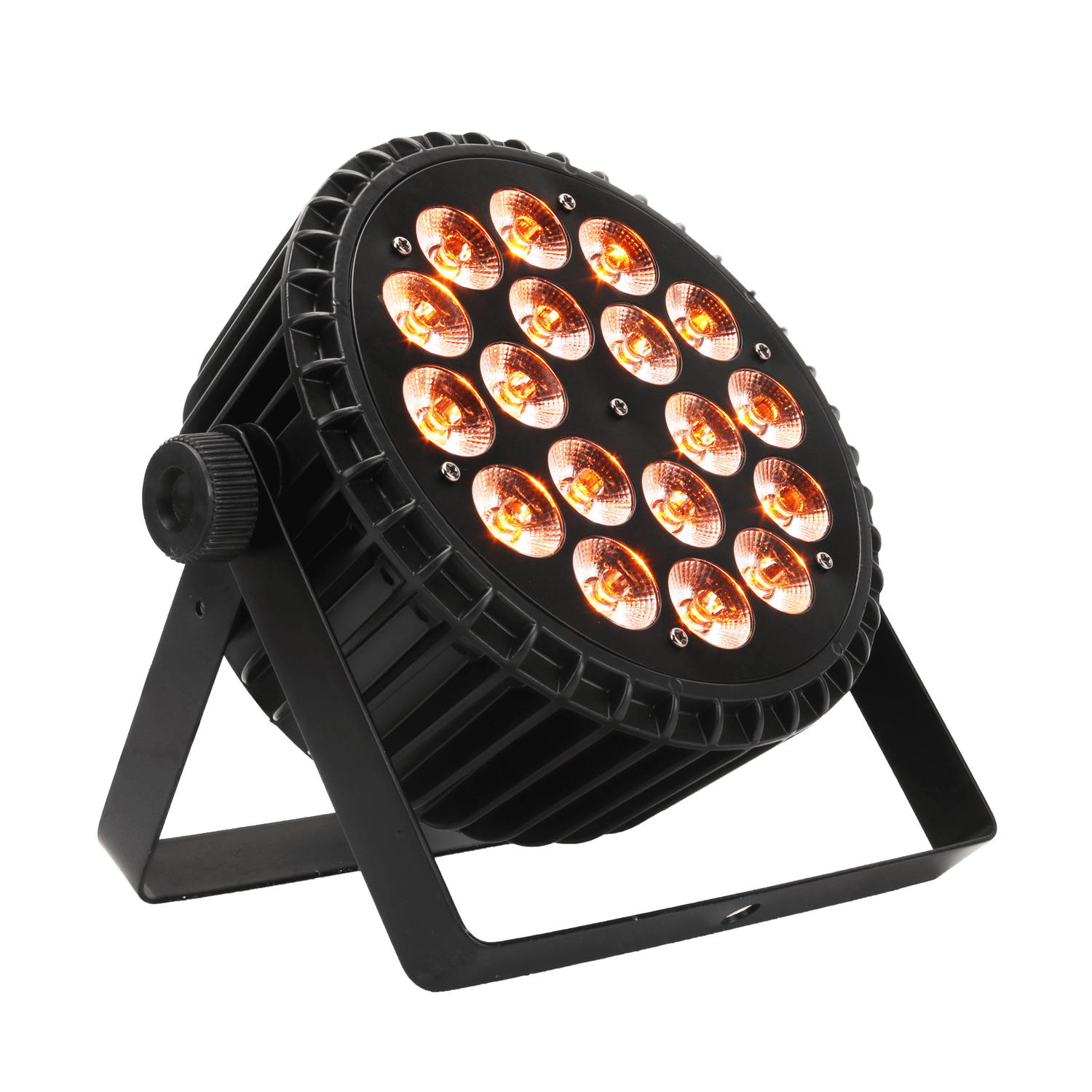



Theatrical light shapes the look and feel of a stage. Some lights highlight a performer. Others wash the full set with color or texture. Good lighting, in fact, helps the audience follow the flow of the scene and understand the space on stage.
To do that, designers mix different lights based on output, angle, color, and control. And knowing the types of theatrical lights makes these choices easier. This guide breaks down each category in simple terms.
What Are Theatrical Lights?
Theatrical lights are specialized fixtures in stage productions, concerts, and live events. These tools shape how audiences experience performances through color, intensity, and movement.
Modern venues rely on multiple fixture types working together. Each serves a specific purpose in the overall lighting design.
Here are the primary types found in professional installations:
- Profile Spotlights (Ellipsoidal Reflector Spotlights)
- Fresnel Lights
- PAR Cans (Parabolic Aluminized Reflector)
- Moving Head Lights
- LED Wash Lights
- Strip Lights and Cyc Lights
- Follow Spots
- Laser Lights
- Strobe Lights
- Beam Lights
Now, let’s have a detailed look at each of them.
What Are the Main Types of Theatrical Lighting Fixtures?
1. Profile Spotlights (Ellipsoidal Reflector Spotlights)

Profile spots deliver sharp, controlled beams of light. These fixtures feature adjustable shutters that shape the light output precisely.
Designers use profile spotlights to:
- Isolate Performers: Create a tight pool of light around a single actor or musician.
- Project Patterns: Send patterns or textures onto the stage through metal gobos.
- Draw Clean Edges: Keep the beam edges sharp so the audience sees a clear shape.
- Avoid Light Spill: Light only the area you want without hitting the background.
The ellipsoidal design allows for long throws. This makes them ideal for front-of-house positions in theaters.
Wattage ranges from 400W to 2000W for traditional tungsten models. LED versions now offer similar output with lower power consumption.
2. Fresnel Lights
Fresnel fixtures create soft-edged beams, perfect for general stage washes. The stepped lens design creates even light distribution across wide areas.
These lights adjust from spot to flood positions. A simple focusing knob changes the beam angle from 10 to 60 degrees.

Common uses include:
- Backlighting performers
- Creating smooth color washes
- Filling dark areas
- Providing ambient light
Theaters often hang Fresnels on overhead battens. Because their edges are so soft, several Fresnels can overlap and still look like one smooth wash.
Professional stage lighting designs incorporate Fresnels for their flexibility. They work well in nearly every hanging position.
3. PAR Lights (Parabolic Aluminized Reflector)
PAR lights are classic in concert lighting setups. These simple fixtures use sealed beam lamps similar to car headlights. The parabolic reflector creates intense, focused output. Different lamp types produce narrow, medium, or wide beam spreads.
Benefits include:
- Durable housings
- Affordable pricing
- Bright, punchy output
- Simple operation
Rock concerts use hundreds of PAR cans for dramatic effects. The colored beams cut through the stage fog beautifully. LED PAR fixtures now dominate the market. They offer RGB color mixing without gel filters.
The United States Institute for Theater Technology notes that PAR cans remain popular despite newer technology. Their reliability and output keep them in production inventories.
4. Moving Head Lights
Moving heads revolutionized stage lighting in the 1980s. These intelligent fixtures pan, tilt, and change parameters through DMX control.
Two main categories exist: spot and wash moving heads.
Spot Moving Heads feature:
- Rotating gobos for patterns
- Prisms for beam splitting
- Zoom capabilities
- Sharp focus control
Wash Moving Heads provide:
- Soft, even coverage
- Color mixing systems
- Wide zoom ranges
- Smooth dimming curves
Productions save time using moving heads. One fixture replaces multiple static lights through programming. Concert lighting productions rely heavily on moving heads. Tours carry dozens or hundreds, depending on venue size.

5. LED Wash Lights
LED technology transformed how designers approach color. Modern LED washes mix red, green, blue, and white (or amber) LED chips. These fixtures produce millions of color combinations. No gel filters or color wheels are needed.
Advantages include:
- Low heat output
- Reduced power consumption
- Instant color changes
- Long lamp life (50,000+ hours)
Stage lighting designs are now built entirely around LED fixtures. The energy savings benefit touring productions significantly. Venues appreciate the reduced cooling costs. LED fixtures generate far less heat than traditional tungsten lamps.
6. Strip Lights and Cyc Lights
Strip lights (also called border lights) consist of multiple cells in a single housing. Each cell contains separate lamps for different colors. Cyclorama lights illuminate large backdrop surfaces evenly. These fixtures mount at the top and bottom of cyc curtains.
Applications include:
- Washing scenic backdrops
- Creating sky effects
- Adding color to walls
- Footlight positions
Four-color systems (red, green, blue, amber) offer the best mixing. This creates realistic sunset and sunrise effects. Modern LED cyc lights provide smooth color gradients. Designers program slow fades from blue to orange for time-of-day transitions.
7. Follow Spots
Follow spots track performers moving across the stage. An operator manually controls the fixture throughout the show.
Professional follow spots feature:
- Mechanical iris for size adjustment
- Color boomerangs with multiple filters
- Dowser shutters for blackouts
- Precise focus mechanisms
Large venues require powerful xenon or LED follow spots. These produce enough output to overcome stage lighting at long distances.
Opera houses often use multiple follow spots simultaneously. Operators coordinate through headset communication systems.
The Illuminating Engineering Society provides standards for follow spot placement and operation. Proper positioning improves operator sightlines and beam angles.
8. Laser Lights
Laser lights create unique effects impossible with conventional fixtures. Focused beams produce sharp lines and patterns in the air. Modern systems use RGB laser diodes. Computer control creates complex animations and graphics.
Safety regulations limit where and how lasers operate. Professional installations require proper safety interlocks and scanning fail-safes.
Concert productions integrate lasers for dramatic moments. The beams become visible through stage haze or fog.
The International Laser Display Association sets safety standards for entertainment laser use. Operators must complete training and certification programs.
9. Strobe Lights
Strobes produce extremely bright, rapid flashes. These effects create the illusion of stop-motion movement. Traditional xenon strobes generate intense white light. LED strobes now offer colored flashes with adjustable rates.

Common uses include:
- High-energy concert moments
- Lightning effects
- Dance club atmospheres
- Theatrical tension scenes
Control systems vary flash rates from slow pulses to rapid bursts. Some fixtures reach 25 flashes per second. Designers use strobes sparingly due to their intensity. Warnings often precede strobe effects for audience members with photosensitivity.
10. Beam Lights
Beam lights produce extremely narrow, concentrated outputs. These fixtures create dramatic aerial effects visible through haze. The tight beam angle (typically 2-5 degrees) cuts through ambient light. Beam fixtures work well for concert lighting looks.
Key features include:
- High-intensity output
- Minimal beam spread
- Fast movement speeds
- Prism effects for multiplication
Concert lighting designers use beam lights for energetic visual moments. Multiple units create geometric patterns in the air. These fixtures differ from spot moving heads in their narrow focus. The concentrated beam creates a different visual aesthetic.
Wrapping Up
The types of theatrical lighting you choose shape the story, the mood, and the flow of each cue. Start by learning the basic categories outlined in this guide. Then explore how different fixture types work together in complete systems.
Once you understand each category, you can build cleaner looks with simple changes. At SHEHDS, we offer a full selection of stage, concert, and laser lights designed to fit any performance or event setup. Explore our full range to match your exact stage or show style!
FAQs
1. What are the main types of theatrical lights?
Spotlights, floodlights, PAR lights, Fresnels, LED units, moving heads, lasers, and effect fixtures.
2. Which light is used most on stage?
LED PARs and profiles appear the most due to low power use and strong output.
3. Are lasers safe for the theater?
Yes, when used with approved controllers and trained operators.
4. Do moving heads replace fixed lights?
Not fully. Both have roles. Moving heads support fast cues, while fixed units handle steady looks.
5. What lights work for school shows?
LED PARs, Fresnels, and simple profiles cover most school stages without high cost.


