


Have you ever watched a show and wondered how the actors stay so clear and bright on stage? One of the main reasons is 3 point lighting, a simple setup that uses three lights to shape the performer and cut down harsh shadows. It works in theatre, concerts, and many other live events.
In this article, we discuss what 3 point lighting is and how you can use it on stage.
What Does a 3 Point Lighting Setup Include?
A 3-point lighting setup includes three lights (key light, fill light, and back lights) that work together to make a performer clear, bright, and easy to follow on stage. Each light has a simple role, and when you place them correctly, the scene looks balanced and natural.

Key Light
The key light is the leading light in the setup. It shines on the front of the performer and shows the most important details.
What it does:
- Lights the performer’s face
- Makes the person stand out
- Helps the audience see expressions
Example:
In a school play, the key light might shine on the student playing the main character. This will help the audience see the face clearly, even if the stage is dark.
Fill Light
The fill light softens the shadows made by the key light. The fill light stays softer than the key light and sits on the opposite side.
What it does:
- Softens the strong dark areas on the face
- Makes the face look even
- Keeps the scene from looking too dramatic
Without a fill light, the performer’s face may look uneven or too dark on one side. You can use an LED wash moving head light as a fill light, since it spreads soft, even light across the performer and can be adjusted to match different stage positions.
Back Light
The back light shines from behind the performer, usually from above.
What it does:
- Separates the performer from the background
- Adds depth to the stage
- Creates a soft outline around the head and shoulders
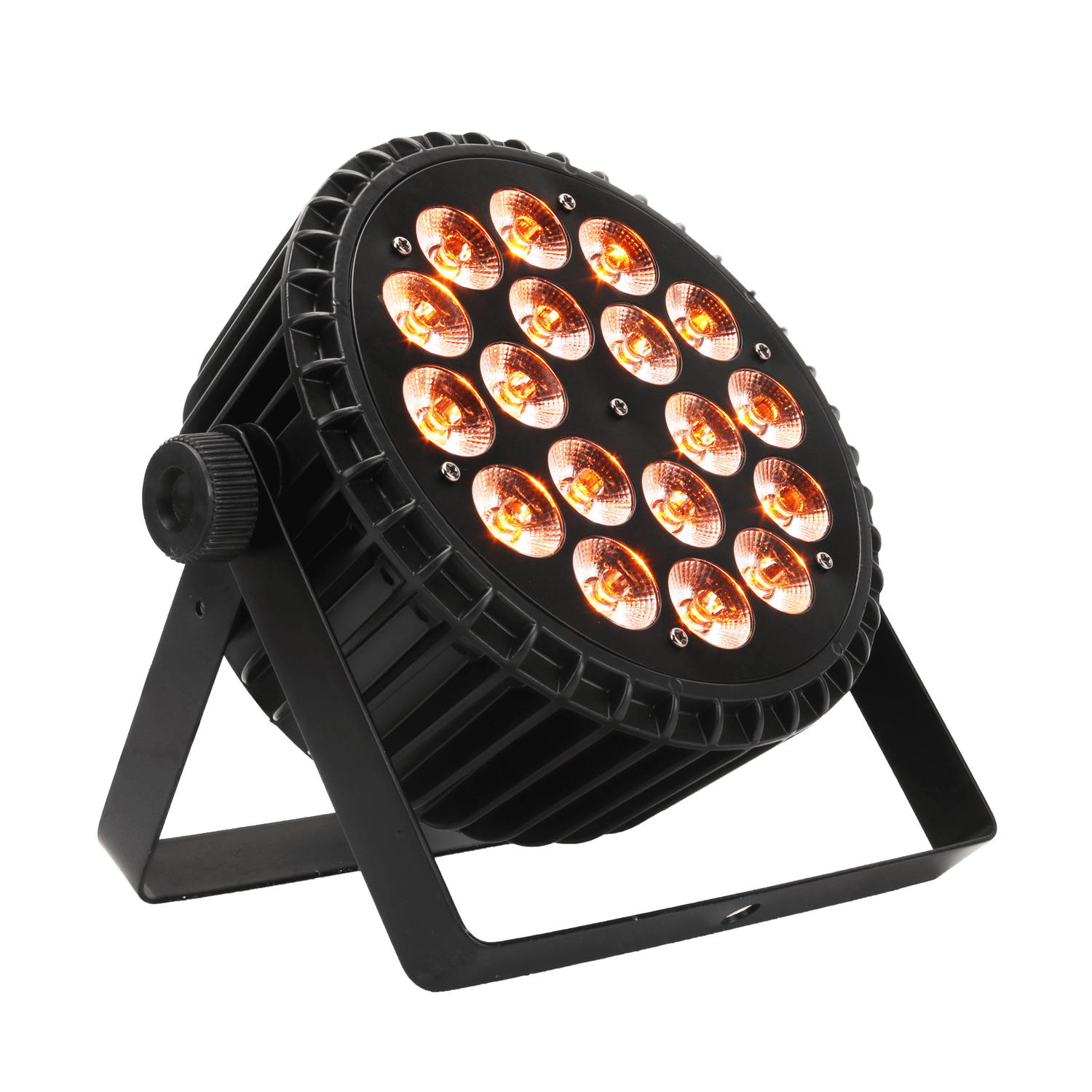
You can use the SHEHDS 200W COB LED Par Light (cool and warm white) as a back light. It gives a soft glow behind the performer, and the barndoors help you keep the light neat and focused on the stage. This soft outline helps the performer stand out, especially in busy or dark scenes.
How Each Light Works on Stage

Each light in a 3 point lighting setup has a simple job, but the way you place and aim the lights can change the look of the whole scene. These lights guide the audience’s eyes and keep the scene easy to follow.
On stage, placement matters just as much as brightness. Different stage lighting beam angles also change how each light shapes the performer, so testing a few angles helps you find the look that fits the scene.
Key Light on Stage
The key light does most of the work. It usually sits at an angle in front of the performer. This angle adds shape to the face so it doesn’t look flat.
How it works:
- Start by placing it a little to the left or right of the performer.
- Raise it slightly above eye level to avoid harsh shadows.
- Adjust the brightness until the face looks clear but not too bright.
- Step back in the audience area to check if the light feels even from different seats.
If the key light shines too brightly, it can wash out the performer’s face, so it’s important to test the level before the show. You can use a SHEHDS 19×15W LED moving head as the key light since it gives a strong, focused beam that works well on the main performer.
Fill Light on Stage
The fill light helps the audience see the performer’s face clearly without strong shadows.
How it works:
- Set it on the opposite side of the key light.
- Keep it at a lower brightness so it doesn’t compete with the key light.
- Move it closer or farther until the face looks smooth and even.
- Tilt the light slightly to control how much of the face it softens.
The fill light quickly fixes uneven lighting during rehearsal.
Back Light on Stage
The back light adds a soft outline that helps the performer stand out from the background.
How it works:
- Place it behind the performer, higher than head level.
- Aim it toward the shoulders instead of the face.
- Adjust the brightness until the outline is clear but not glowing too intensely.
- Test the angle so the light doesn’t spill into the audience’s eyes.
This light makes the stage look more layered and three-dimensional.

Why Do Stage Designers Use 3 Point Lighting Setup?
Stage designers use 3-point lighting because it helps the audience see the performer clearly without a complicated setup.
With only three lights, they can brighten the face, show important details, and make sure the performer doesn’t blend into the background. This clear view helps the audience stay focused on the right person during the scene.
Experts in stage lighting note that good lighting should match the theme of the show and help show the mood, the setting, and the actors’ actions.
When the lighting supports the story, the whole performance feels stronger and more engaging for the audience. (Wu et al., 2023, Art and Performance Letters)
It also still works well when the crew changes the set or brings in new props. This means that the crew doesn’t need to redo the whole lighting plan each time.
For example, if the crew adds a new prop or backdrop at the last minute, they can make minor lighting adjustments instead of redoing everything, saving time and keeping the scene looking good.
Common Problems With 3 Point Lighting
Even simple lighting plans can run into small issues during a show. These problems can distract the audience, so it helps to know what to look out for before the performance begins.
Key Light Overpowering the Scene
An intense key light can make the performer look faded or too bright. When this happens, the stage picture feels unbalanced. Softening the key light helps the performer look more natural and keeps the scene pleasant to watch.
Fill Light Taking Over
If the fill light is too bright, it can take attention away from the main light. This makes the scene look flat and removes the gentle shadows that give the performer shape. Keeping the fill light at a lower level keeps the face clear without losing depth.
Back Light Causing Distracting Glare
A back light that points in the wrong direction can cause bright spots or glare that reaches the audience. This pulls attention away from the performers. Lifting the light or aiming it slightly off the center helps prevent this problem.
Lights Not Matching the Performer’s Movements
During a show, performers move more than they do during practice. If the crew sets the lights for only one position, parts of the face fall into shadow when the performer steps outside the lit area. Testing the lighting with real movement keeps the scene bright and stable throughout the performance.
How to Set Up 3 Point Lighting on Stage?
Setting up 3-point lighting works better when you plan around how the performer actually uses the stage.
Before you start, some crews check a basic stage lighting equipment list so they know what lights are available and which ones fit the scene. A clear setup helps the audience see the action without noticing the lights, and it keeps the whole stage looking steady no matter where you sit.

Step 1: Mark the Main Space
Choose the area where the performer spends most of the scene. Instead of placing one single mark, create a small zone on the floor that shows where they might move. This wider zone gives you more space for light and keeps the performer bright when they move.
Step 2: Look for Blockers
Walk around the stage and check for anything that could get in the way of the lights. This step helps you spot tall props, curtains, or set pieces that block the lights.
Catching these problems early will make the whole setup much better and prevent dark spots that might appear once the show starts.
Step 3: Test With Movement
Ask someone to move around the marked zone while you watch the lighting from different seats. Pay attention to how the light follows their face and body when they look up, step forward, or turn toward another actor.
Adjust the light paths until the movement looks natural and clear.
NOTE:
Many stage crews record this test on a phone. A quick video makes it easy to spot small lighting issues that are harder to notice in real time.
Can You Use 3 Point Lighting in Different Stage Styles?
You can use 3-point lighting in many kinds of stage shows. It’s helpful in many shows because it gives the performer a clear outline that stands out, even when the style of the show changes.
Theater
In theatre, actors rely on clear expressions to tell the story. 3-point lighting lets the audience follow the actor’s expressions without any effort, even from far away.
In fact, film and theatre classes usually teach 3 point lighting as a simple way to shape the subject and control shadows. It works well with different sets, and designers can shift the lights slightly without needing a complete rebuild.
Why it helps:
- Makes expressions clear
- Keeps the scene focused
- Works with changing sets
Concerts and Live Music
Concert stages have bright colors and moving lights, but 3-point lighting can still support the performer.
Why it helps:
- Keeps the singer’s face visible
- Works with strong background lights
- Makes quick changes easier

Dance Performances
Dancers move a lot, so lighting needs to follow the body, not just the face.
Why it helps:
- Gives shape to movement
- Highlights body lines
- Keeps fast motion clear
Public Speaking and School Events
For speeches or assemblies, 3 point lighting keeps the speaker easy to see without being distracting.
Why it helps:
- Soft, clean look
- Easy to set up
- Works in small or large rooms
Example
In a school talent show, a student might sing, act, and dance all in one performance. 3 point lighting can support each part by keeping the student bright and visible, no matter what style they switch to.
Conclusion
3 point lighting can make any stage show look clearer and easier to follow. With a bit of practice, you can set it up in a way that keeps the performer bright in every scene. Try it in your next play or event to see how much it helps.
If you want more lighting options, you can check out our best-selling lighting equipment and find what you need at a price that fits your budget.
FAQs
Why is 3 point lighting used on stage?
It helps the audience see the performer clearly. The three lights work together to brighten the face, soften shadows, and make the performer stand out from the background.
Can 3 point lighting work on a small stage?
Yes. You can use it in small rooms, school halls, or simple stages. You just place the lights closer and use a lower brightness.
Do performers need to stand in one spot for 3 point lighting?
No. They can move within a small area. As long as the lights cover that space, the performer stays bright and easy to see.


