SHEHDS
Plan a Live Stage Lighting Setup
Light the performers before adding effects
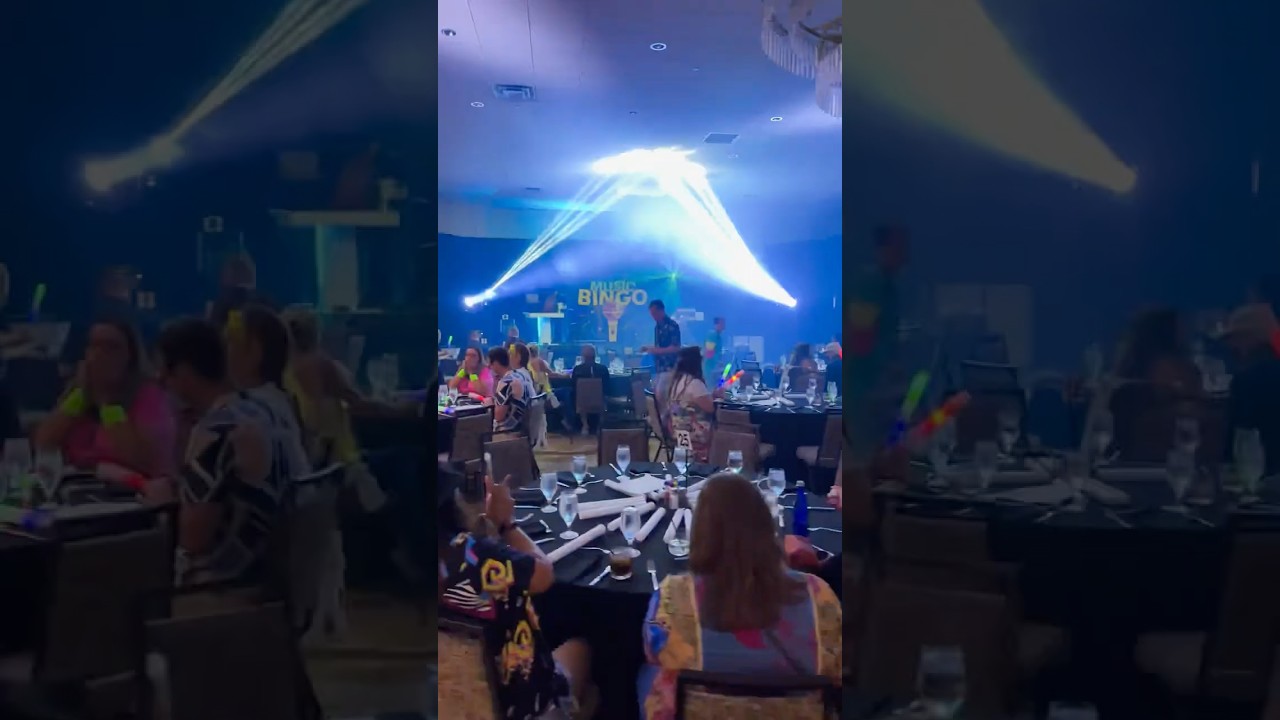
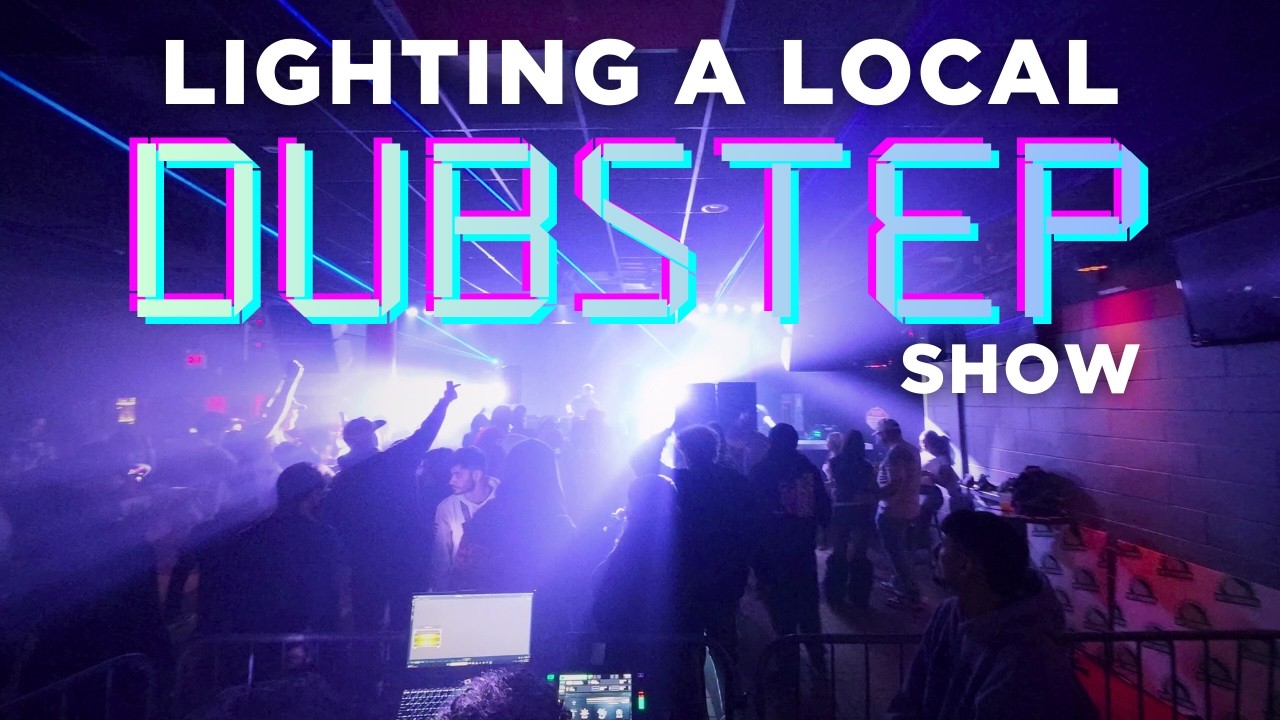
Live stage lighting starts with clearly visible performers, not the largest beam effect. Map the positions of singers, speakers and musicians, then plan front-light coverage for those positions. Use separate color washes for the stage or backdrop so changes in background color do not remove useful light from faces. Check the result from audience positions and, where relevant, through the production cameras.
Match each fixture to a lighting task
Assign each fixture a job in the existing rig: performer coverage, background color or a timed effect. Check the intended throw distance and mounting positions before adding equipment. Identify which existing fixtures can cover those jobs, then fill the remaining gaps without duplicating effects or exceeding control capacity.
Build cues around the running order
Plan lighting changes around entrances, songs, speeches and transitions. Confirm the controller can accommodate the selected fixtures and their DMX channel modes, and record a clear patch and cue list. Before the show, check fixture movement, dimming and transitions in the actual layout. Add new effects only when they serve a distinct role and can be operated reliably by the show team.
Compare concert lights after identifying the coverage and cue requirements of your live stage. For further planning guidance, read our guide to stage lighting for small venues.