



Outdoor Stage Lighting Solutions
Plan outdoor stage lighting around exposure, coverage and operating limits. Check the fixtures, connections and event contingency plan together.
Explore Equipment for Outdoor Event Planning
-

Outdoor Event Stage Light Series
Start with the exact model’s documented environmental limits and installation requirements.
Shop the Series Now -

Live Performance Stage Light Series
Compare performer coverage and effects; verify outdoor suitability for every selected model.
Shop the Series Now -

Compare Lighting by Function
Browse the wider range for comparison. Not every stage fixture is suitable for outdoor use.
Shop the Series Now


Outdoors Popular Lighting

ShockCore Waterproof LED 350W 12-Pixel Strobe Light Zero Noise Outdoor

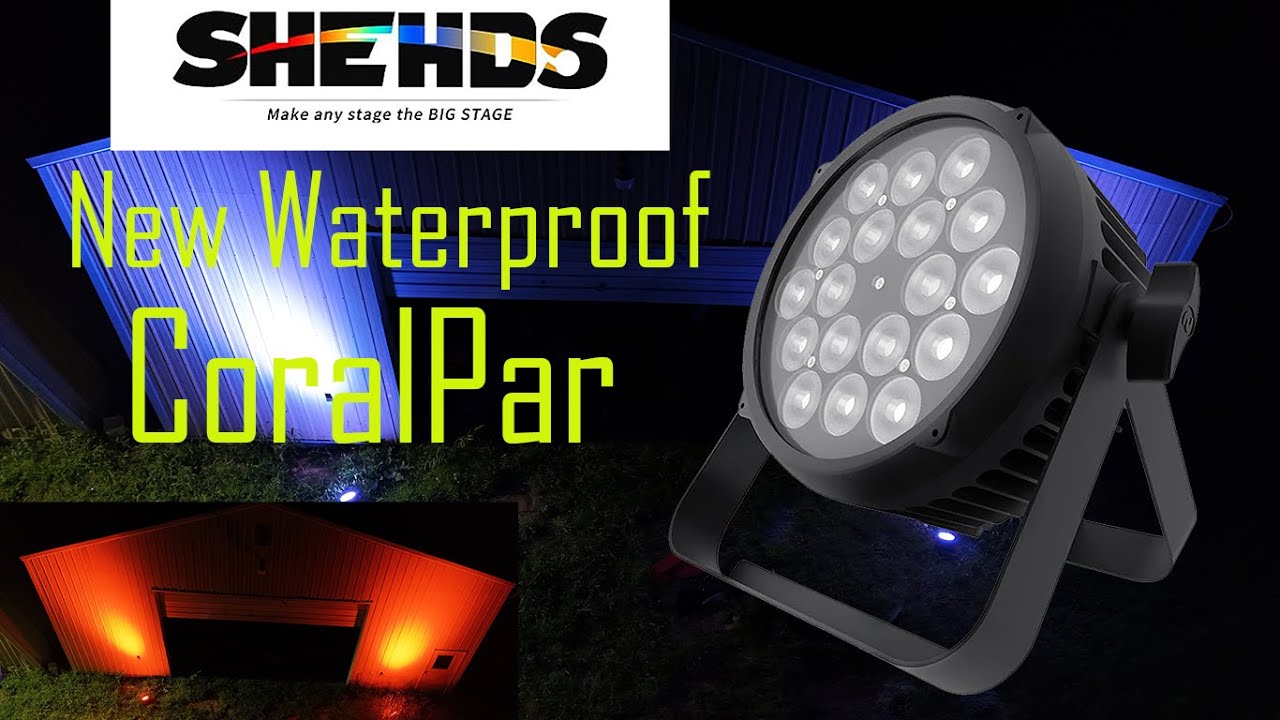
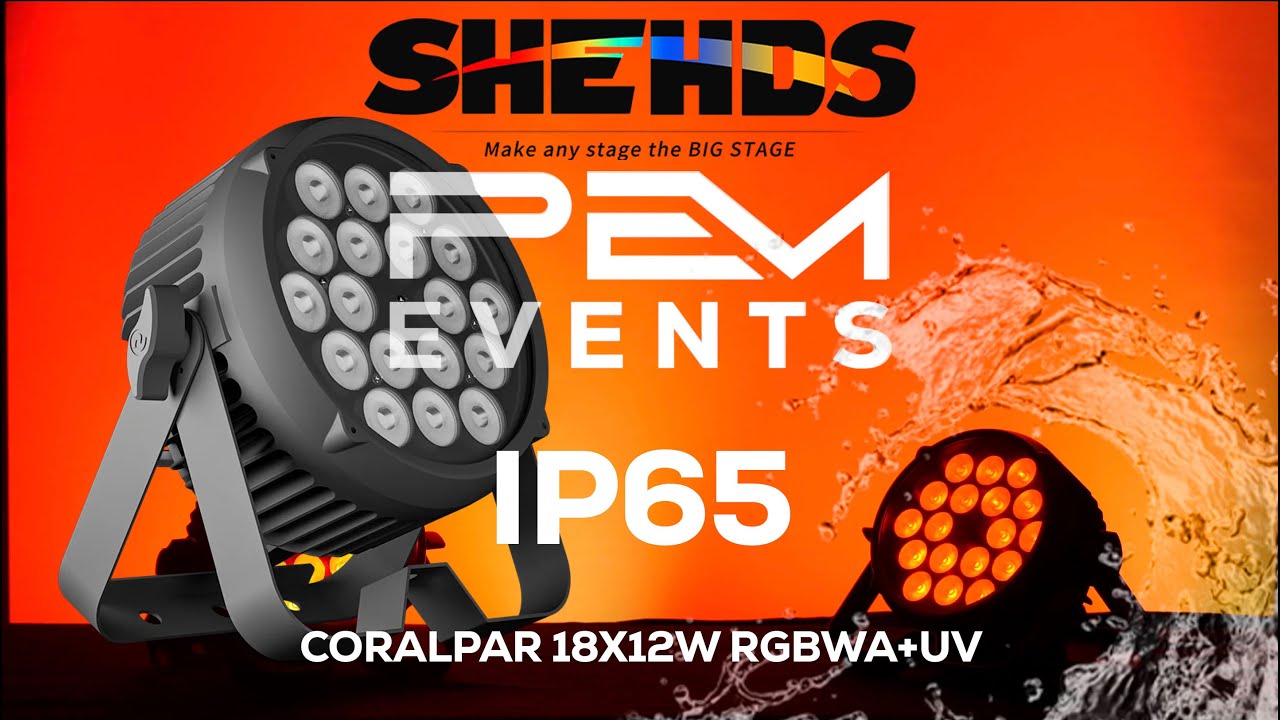
CORALPAR Waterproof 18x12W LED Flat Par Light RGBWA+UV Aluminum Alloy

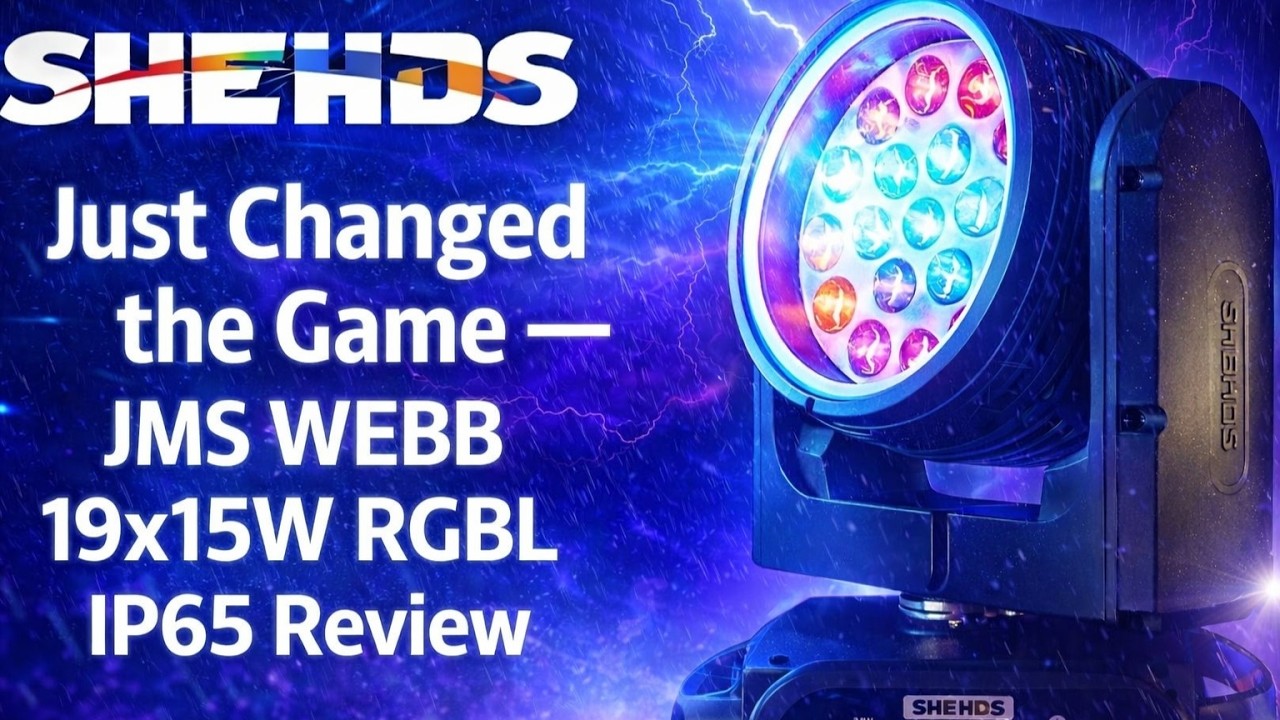
SHEHDS Waterproof LED Moving Head Light 19x15W / 20W / 25W Beam Wash Zoom IP66 Stage Lighting

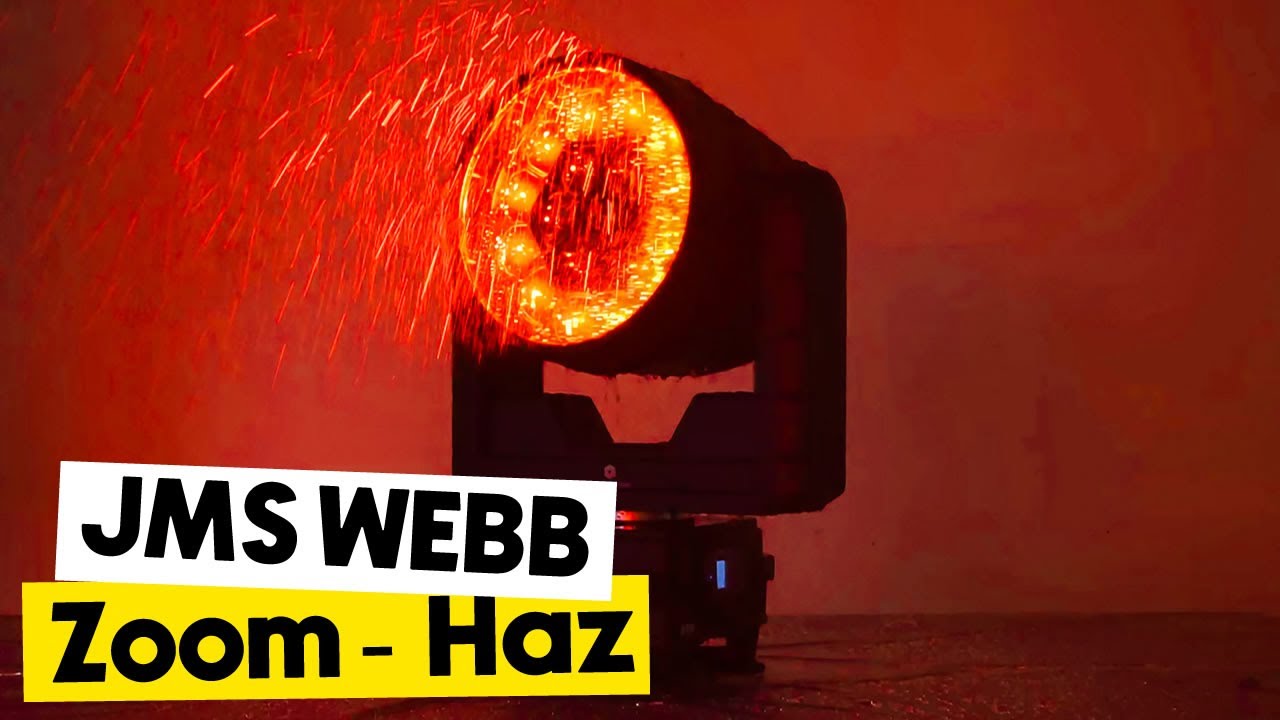
JMS WEBB Waterproof 7x40W Bee Eye Moving Head Light RGBW/RGBL/RGBLAC Zoom Wash Stage Lighting

CoralPar IP65 Waterproof 1000W RGB Strobe Moving Head Light

SHEHDS Waterproof LED 18x10W RGBWAUV / RGBLAC Wash Wall Light Zero Noise Outdoor

SHEHDS Waterproof LED Par Light 7x12W RGBW / 7x18 RGBWA+UV

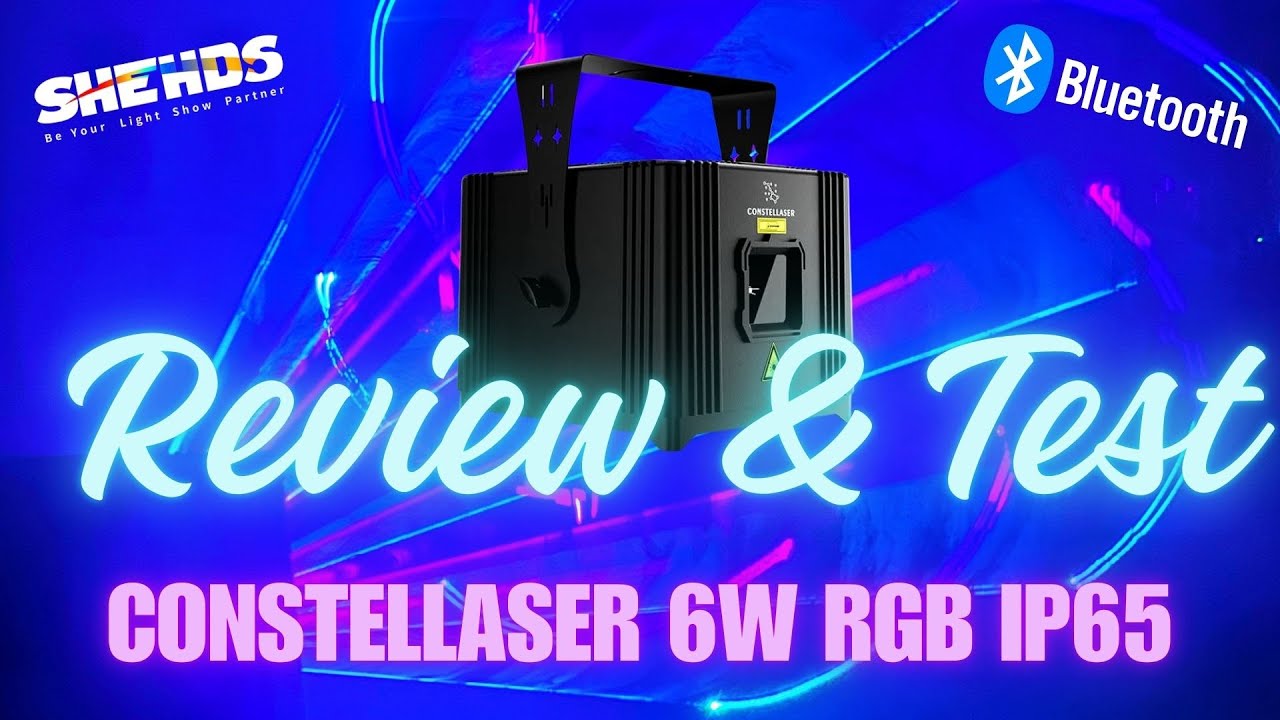
Constellaser APP Control 6W RGB Waterproof Animation Laser Light, Rechargeable, Integrated Housing

SHEHDS Wireless Battery LED Uplight Par Light 6x18W 6in1 RGBAW+UV With Remote Control

GalaxyJet LED 200W / 300W Moving Head Light Beam / Beam & Wash & Gobo 3in1

SHEHDS LED Beam 8x12W RGBW Moving Head Light For Wedding DJ Show

UPGRADE SHEHDS LED Moving Head Light 19x15W /20W/25W Beam Wash Zoom Stage Lighting

SHEHDS Beam 275W 10R Double Prisms Moving Head DJ Light

SHEHDS 230W 7R Beam Moving Light with High Brightness and Strong Penetration

SHEHDS 18x18W Aluminum Alloy LED Flat Par DMX512 DJ Par Cans Wash Light

SHEHDS Zoom & Wash 36x18W Moving Head Light RGBWA+UV for DJ Nightclub Wedding

Start with the actual exposure conditions
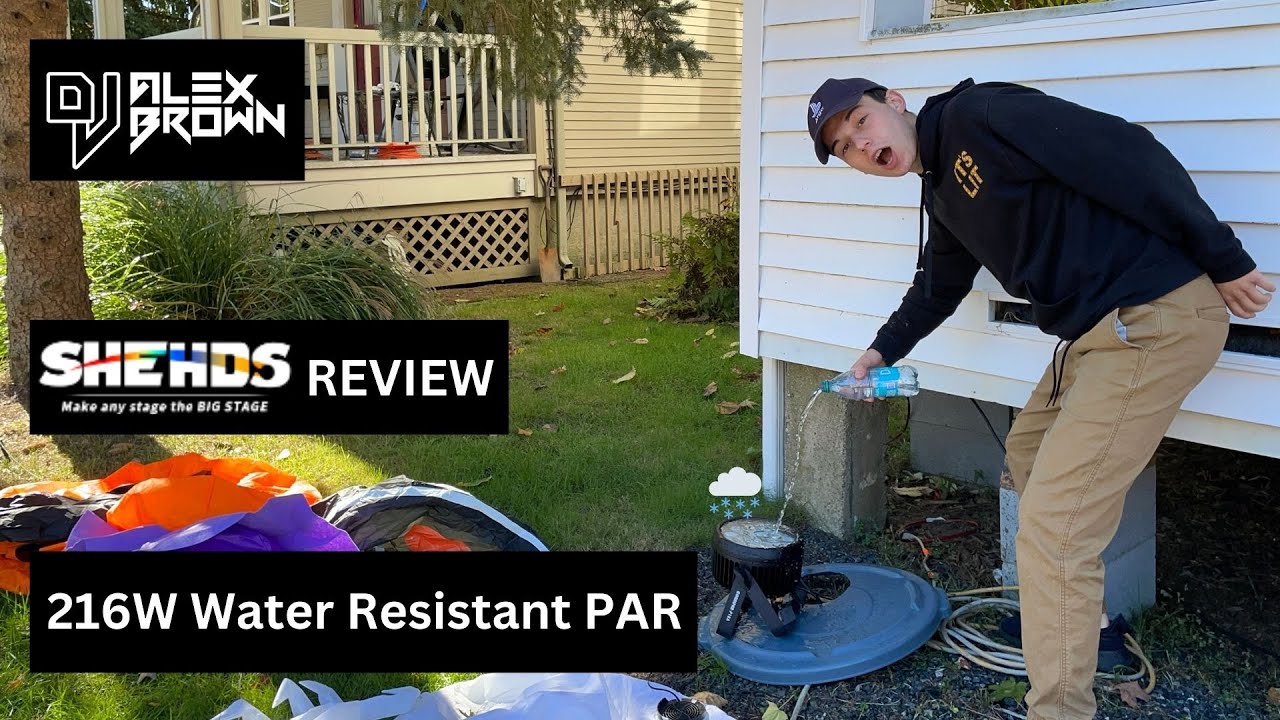
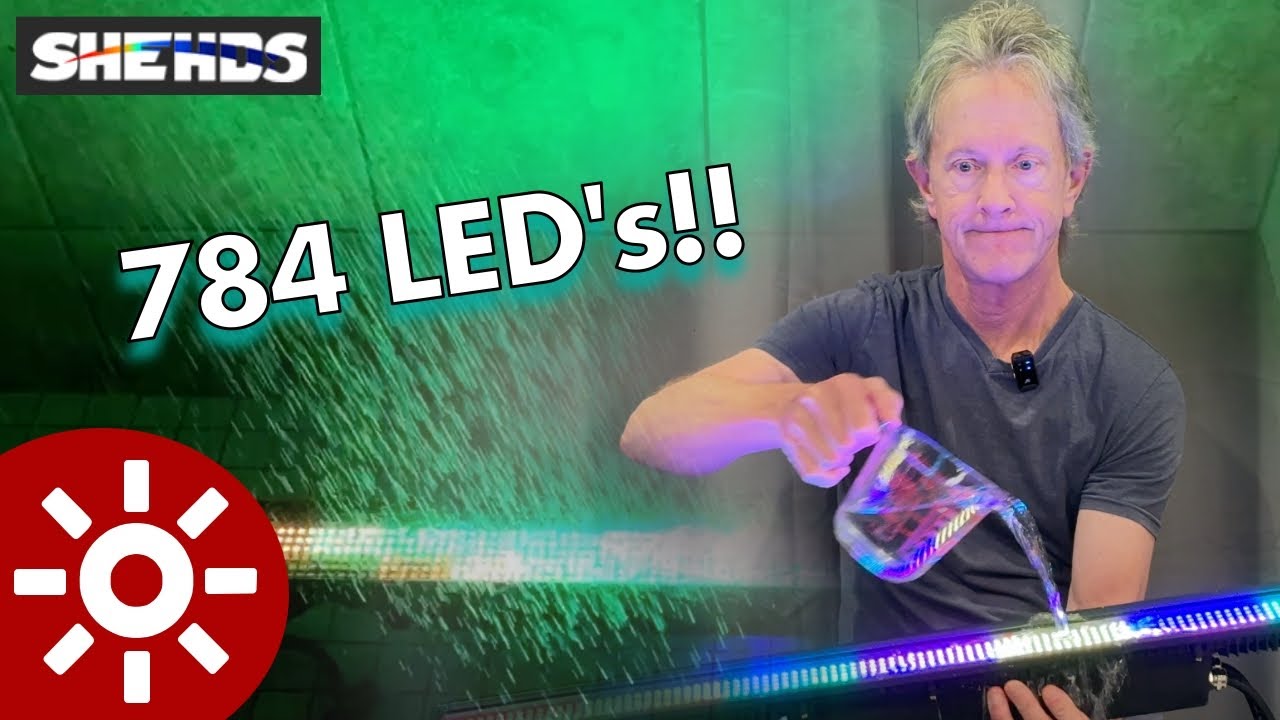
Outdoor stage lighting must be selected for the conditions where it will operate, not simply for the effect it produces. Identify possible rain exposure, dust, ambient temperature and the planned mounting position. Check the exact model’s rating and operating instructions, including any conditions attached to connectors or covers. No single rating should be read as permission to operate in every weather condition.

Check the complete outdoor setup
Wireless control and battery power can reduce particular cable requirements, but neither feature proves outdoor suitability. Verify fixture limits, connectors, power distribution and mounting as a complete system with qualified personnel. Follow the venue’s weather procedures and the manufacturer’s inspection and maintenance instructions. Review equipment condition after use before storing or deploying it again.
outdoor-rated stage lights For further planning guidance, read our guide to outdoor stage lighting equipment planning.
Check Outdoor Event Requirements
Outdoor lighting output needs to be assessed against the target area, throw distance and ambient light. A narrow aerial beam and a broad stage wash perform different jobs, so their wattage alone is not a meaningful comparison. Use model-specific photometric information at comparable distances and angles. Where evidence is missing, request a test or additional specifications before relying on the fixture for the event.
| Planning factor | What to verify | Why it matters | Evidence to request |
|---|---|---|---|
| Exposure | Exact model rating and operating limits | Conditions differ by event and position | Manufacturer instructions |
| Useful output | Distance, angle and ambient light | Wattage alone does not establish coverage | Comparable photometric data |
| Connections | Power and data protection | The whole setup must suit the conditions | Connector and installation instructions |
| Control and power | DMX modes, load and supply | Avoid incompatible or undersized infrastructure | Model manuals and qualified assessment |
| Operation | Inspection and weather procedures | Outdoor suitability is conditional | Venue plan and maintenance guidance |

Check available stock, destination eligibility and delivery estimates before ordering.

Request compliance documents for the selected model and market.

Hassle-free returns within the eligible period for a worry-free purchase experience.

Review the applicable warranty terms and exclusions for your order.

Get expert assistance from our support team whenever you need help.

Comprehensive after-sales service backed by warranty and dedicated customer support.

Confirm shipping charges and eligibility at checkout.

With over 10-year experience, SHEHDS provides quality stage lights as always.
Outdoor Lighting FAQs
How do I choose lights for an outdoor stage?
Start with environmental exposure, then select fixtures for performer visibility, color coverage or effects. Verify the exact model’s operating limits and compare output at the required distance. Qualified personnel should assess the complete power, data and mounting arrangement.
Does an IP rating mean a fixture works in any weather?
No. An IP rating addresses specified ingress-protection conditions; it is not an unlimited operating guarantee. Check the model’s instructions for temperature, installation orientation, connectors and other limits, and follow the event’s weather procedures.
Are battery-powered lights automatically suitable outdoors?
No. Battery operation describes the power source, not the enclosure’s environmental protection. Confirm the exact fixture’s documented outdoor suitability and the limits of any charging, power or data connections involved in the setup.
Are outdoor lights brighter than indoor lights?
Not necessarily. Compare output at equivalent distances and beam angles, not the outdoor label. For available equipment, compare outdoor-rated stage lights and check model-specific photometric data.
Can outdoor-rated stage lights be used indoors?
Only when the model instructions and indoor installation requirements allow it. Check noise, heat, weight and control needs as well as environmental protection; an outdoor rating alone does not make a fixture the best indoor choice.
What should be checked before and after an outdoor event?
Inspect the fixture, connectors and relevant seals according to the manufacturer’s instructions, and confirm the setup meets the event conditions before use. Afterward, follow the specified cleaning, drying and storage procedures. Do not return visibly damaged equipment to service without qualified assessment.