


-
NEW- 15%

SHEHDS Waterproof 150W RGBLAC COB Linkable Par Light with ..
Seamless Splicing | IP66 | App Control
SHEHDS Waterproof 150W RGBLAC COB Linkable Par L..Seamless Splicing | IP66 | App Control
Regular price $254.15 USDRegular priceUnit price per$299.00 USDSale price$ 254.15Sale -
BIG SALE- 50%
Big Sale JMS WEBB LED Ultra Wash Big Bees Eyes 37x25W RGBW..
Silent Operation | Linear CTO | High Lux
Big Sale JMS WEBB LED Ultra Wash Big Bees Eyes 3..Silent Operation | Linear CTO | High Lux
Regular price $650.00 USDRegular priceUnit price per$1,300.00 USDSale price$ 650.00Sale -
NEW- 15%

SHEHDS APP Control 320W 14R CMY Gobo / Beam Moving Head Li..
1.5°-3.0° Beam Angle | CMY | Frost
SHEHDS APP Control 320W 14R CMY Gobo / Beam Movi..1.5°-3.0° Beam Angle | CMY | Frost
Regular price $500.65 USDRegular priceUnit price per$589.00 USDSale price$ 500.65Sale -
- 15%
Big Sale SHEHDS 250W RGBW Spotlight with Barndoors & P..
Pulse Strobe | Linear Dimming | Fresnel Lens
Big Sale SHEHDS 250W RGBW Spotlight with Barndoo..Pulse Strobe | Linear Dimming | Fresnel Lens
Regular price $293.25 USDRegular priceUnit price per$345.00 USDSale price$ 293.25Sale -
NEW- 15%
SHEHDS APP Control IP66 19 x Series LED Pixel Zoom Wash Mo..
Pixel Mapping | Beam+Wash | IP66
SHEHDS APP Control IP66 19 x Series LED Pixel Zo..Pixel Mapping | Beam+Wash | IP66
Regular price $641.75 USDRegular priceUnit price per$755.00 USDSale price$ 641.75Sale -
NEW- 15%
SHEHDS 350W RGBW Flood Wash Light / Strobe Light / Blinder..
Wash | High Power | RGBW
SHEHDS 350W RGBW Flood Wash Light / Strobe Light..Wash | High Power | RGBW
Regular price $225.25 USDRegular priceUnit price per$265.00 USDSale price$ 225.25Sale -
UK BIG SALE- 20%
UK Big Sale SHEHDS LED Beam 8x12W RGBW Moving Head Light F..
Beam | Uniform&Colorful | Suspenslon installation
UK Big Sale SHEHDS LED Beam 8x12W RGBW Moving He..Beam | Uniform&Colorful | Suspenslon installation
Regular price $157.25 USDRegular priceUnit price per$185.00 USDSale price$ 157.25Sale -
UK BIG SALE- 30%
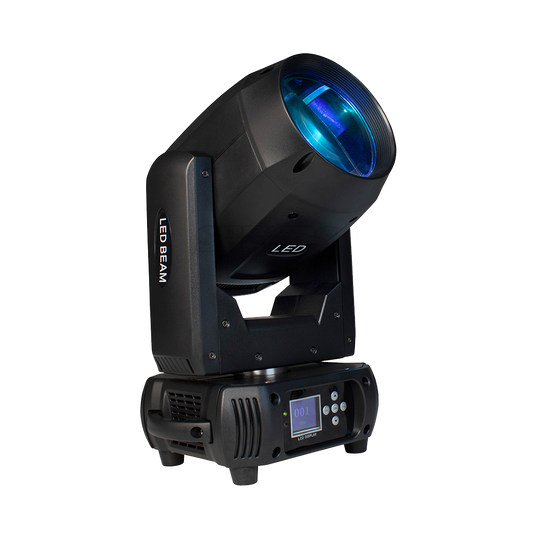
UK Big Sale SHEHDS 150W LED Beam & Spot Moving Head Li..
Dual Prism | Beam Angle 2° | 132mm Len
UK Big Sale SHEHDS 150W LED Beam & Spot Movi..Dual Prism | Beam Angle 2° | 132mm Len
Regular price $322.15 USDRegular priceUnit price per$379.00 USDSale price$ 322.15Sale -
UK BIG SALE- 20%
UK Big Sale SHEHDS Blinder LED COB Light 2 Eyes 200W Cool ..
Beam Angle 90° | Dual 100W COB | 3200K-5600K
UK Big Sale SHEHDS Blinder LED COB Light 2 Eyes ..Beam Angle 90° | Dual 100W COB | 3200K-5600K
Regular price $92.65 USDRegular priceUnit price per$109.00 USDSale price$ 92.65Sale -
UK BIG SALE- 20%
UK Big Sale SHEHDS Beam 275W 10R Double Prisms Moving Head..
Dual Prism | 2.8°Beam Angle | 14 Gobo Patterns
UK Big Sale SHEHDS Beam 275W 10R Double Prisms M..Dual Prism | 2.8°Beam Angle | 14 Gobo Patterns
Regular price $365.50 USDRegular priceUnit price per$430.00 USDSale price$ 365.50Sale -
NEW- 15%
SHEHDS Waterproof 100W Retro Style Linkable LED Par Light ..
Seamless Splicing | 1845K Retro | App Control
SHEHDS Waterproof 100W Retro Style Linkable LED ..Seamless Splicing | 1845K Retro | App Control
Regular price $228.65 USDRegular priceUnit price per$269.00 USDSale price$ 228.65Sale


If you want to create dynamic, eye-catching effects, you need our flagship fixtures.
By choosing from our line of pro stage lighting, you get the features and reliability expected by top professionals.
What Is LED Stage Lighting?
Types of LED Stage Lighting Fixtures
LED Stage Lighting by Venue
|
Venue
|
Why These Fixtures Work
|
Recommended LED Stage Lighting
|
|---|---|---|
|
Mobile DJ
|
Moving heads for sharp beams, LED bars for wide washes, battery PARs for uplighting without power outlets.
|
|
|
Church
|
LED PARs for soft uplighting, wash lights for even stage coverage, spotlights for pulpit or worship leader focus.
|
|
|
Wedding
|
Wireless battery uplights for venue color, warm wash lights for flattering skin tones and romantic scenes.
|
|
|
Club
|
Beam moving heads for aerial effects, wash lights for floor coverage, laser lights for graphic atmosphere.
|
|
|
Theater
|
Fresnel / profile LED spotlights for key light and focused areas, wash lights for fill and backlight.
|
How to Control LED Stage Lighting with DMX
-
Connect all fixtures to a single DMX controller using DMX cables or wireless DMX.
-
Set a unique DMX address on each LED fixture so the controller can talk to it independently.
-
Program scenes, color fades and movement patterns for your show.
-
Save presets for different songs, sermons or scenes to speed up playback.
-
Test the full rig before the event to make sure every LED stage light responds correctly.
Why Choose Shehds LED Stage Lighting?
FAQs
Stage Equipment
-

What Are LED Par Lights? A PAR light is a fixed-position stage...
-

How Do You Choose the Right Moving Head Light Fixtures? Moving head...
-

Enhance Your Event with Dynamic Gobo Lighting Gobo lights are excellent for...
-

What is a Stage Laser Light? A stage laser light uses highly...
-

What Are Waterproof Stage Lights? Waterproof stage lights are sealed lighting fixtures...
-

What Are Effect Lights? Effect lights refer to specialized lighting fixtures that...
-

What Makes Stage Light Bars Different? Stage light bars are linear LED...
-

What Are the Three Types of Spotlights? The three most common types...
-
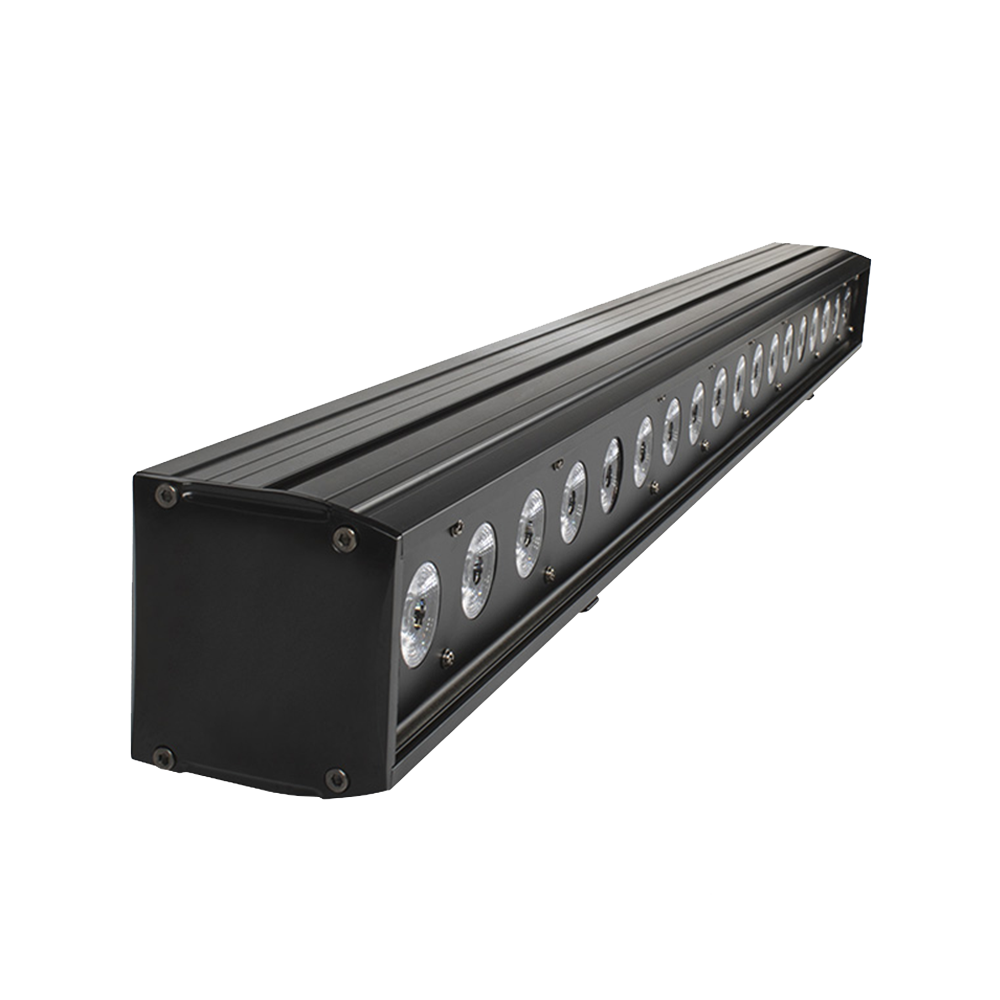
What Is Stage Wash Lighting? Stage wash lighting spreads light evenly across...
-

What Is a DMX Controller? A DMX controller (Digital Multiplex Controller) is...


Stage Lighting Solutions for Every Venue


What are the common LED stage light types?
LED stage lights usually fall into a few core categories:
- PAR LED stage lights for washes,
- LED moving heads for dynamic beams,
- LED bars for scenic color,
- LED Fresnels and ellipsoidals for focused theater lighting,
- LED strobes for impact,
- LED laser lights for stunning visual effects.
What's the difference between beam, spot, and wash lights?
These are the three core fixture types in any stage rig:
Beam lights:shoot a tight, pencil-thin shaft of light into the air — not to illuminate surfaces, but to create aerial effects. Pair with a hazer and beams become visible mid-air. Best for DJs, clubs, EDM events & touring stages.
Spot lights:project a defined shape — gobos, logos, or patterns — onto a surface. Think theater follow-spots, concert lighting, or a custom gobo with a couple's initials at a wedding. Most SHEHDS hybrid moving heads switch between beam and spot mode in the same show.
Wash lights:flood a wide area with smooth, even color — no hard edges. Makes a church stage glow or turns a plain backdrop deep purple. The most forgiving fixture for beginners.
Quick rule of thumb: start with wash lights if it's your first rig, then add beams once you have the basics down.
How much do stage lights cost?
Stage lights at SHEHDS range from $30 to $900+ depending on fixture type:
• LED PAR lights — from $30 each. Color wash & uplighting, beginner-friendly.
• LED beam moving heads — from $112 each. Aerial beam effects for DJ gigs & events.
• LED wash moving heads — from $130 each. Smooth color coverage across stage & backdrop.
• Discharge beam 7R (230W) — from $321 each. Sharp pencil beams for concerts & touring.
• Discharge beam 10R / 14R / 17R — from $374 each. Brighter output, prism effects, clubs & touring.
Name-brand equivalents (Martin, Robe) cost $1,500–$2,000 per fixture for the same output. A starter rig for a mobile DJ or church stage typically runs $500–$1,500 total — most pros run 4–6 fixtures and build over time.
How many stage lights do I need for my setup?
It depends on your venue size and event type — but here are practical starting points:
• Mobile DJ rig: 4–6 moving heads is the sweet spot. Most pros pair 2–4 beam lights for aerial effects with 2 wash lights to cover the dance floor with color.
• Church or small stage: Start with 4–6 LED PAR lights for general wash, then add 2 moving heads for dynamic effects during worship.
• Wedding or event venue: 4–6 LED PAR uplights around the room plus 2–4 moving heads on stage covers most setups.
• Clubs & touring stages: 8–12+ fixtures — a mix of beam, spot, and wash — all DMX-chained for full control.
You don't need to buy everything at once. Most professionals start with wash lights or PAR lights (forgiving, flexible) and add beam moving heads once the basics are covered.
What is DMX control and do I need it for stage lighting?
DMX512 is the industry-standard protocol that lets you control multiple stage lights from a single controller or software — adjusting color, movement, brightness, and effects in sync.
Do you need it? It depends on how you work:
• Sound-activated mode: lights respond automatically to music beats. No controller needed — great for beginners and small events.
• Master-slave mode: one light leads, the rest follow. Simple setup, no extra hardware.
• DMX mode: full manual or programmed control via a DMX controller or software. Best for concerts, touring, and church productions where you want precise cues.
All SHEHDS stage lights support all three modes. They also feature DMX in and out ports, so you can daisy-chain multiple fixtures with a single cable run — no need for a separate DMX splitter on smaller rigs.
What LED stage light colors stand out on stage?
To make people stand out on a stage, warm colors (reds, oranges, ambers) from LED stage lights should be major tones. They bring energy and passion. They pull the audience in, making large venues feel intimate.
To make a mysterious vibe, cool colors (blues, purples, greens) from LED stage lights are ideal. They create depth, and make a small stage feel infinite.
Do SHEHDS stage lights come with a warranty?
Yes — all SHEHDS stage lights come with a 2-year warranty.
We also stock inventory in US and EU warehouses, so most orders ship within 1–3 business days without waiting weeks for overseas delivery.